
Great films rarely succeed because of a single idea. Instead, they combine strong storytelling with smart choices. In fact, award-winning filmmaking techniques are used by directors to create unforgettable experiences. Every top film shares one common trait. It uses cinematic tools with clear purpose. Therefore, directors, cinematographers, editors, and production teams work together. This collaboration guides emotions, builds tension, and creates visual impact.
Whether you dream of making independent films or large-scale productions, learning these methods can improve every project. Moreover, understanding why they work helps filmmakers make creative decisions with greater confidence. Let’s explore seven award-winning filmmaking techniques that consistently appear in films across different genres.
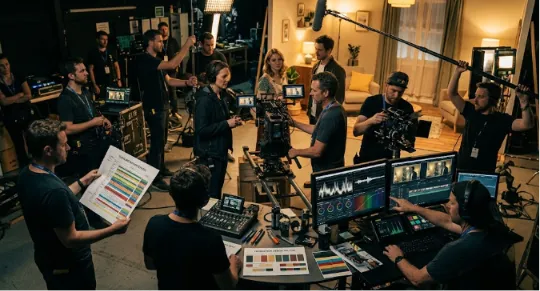
Visual Storytelling That Speaks Without Dialogue
The best films often communicate emotions before a character says a single word. Instead of relying on lengthy conversations, filmmakers use composition, movement, lighting, and expressions. Thus, they tell the story visually.
A carefully framed shot can reveal loneliness, confidence, fear, or hope. Likewise, camera movement can make viewers feel calm or anxious without obvious explanation. Consequently, award-winning filmmakers trust the audience. They use visual clues rather than spelling out every detail.
For example, a wide shot can make a character appear isolated. On the other hand, an intimate close-up allows viewers to connect with subtle emotions. As a result, every frame becomes part of the storytelling process. For this reason, audiences stay emotionally engaged because they actively interpret what they see.
Purposeful Camera Movement
Camera movement should never exist simply because equipment makes it possible. Rather, every movement must support the story.
Indeed, these award-winning filmmaking techniques often include slow tracking shots to increase tension. Furthermore, filmmakers use handheld cameras to create realism, and smooth crane movements to establish scale. Each technique serves a specific narrative purpose.
Additionally, the camera can become another character in the scene. It guides attention, reveals information, and controls pacing. For instance, a slow push toward an actor during an emotional moment creates intimacy. Meanwhile, a rapid handheld sequence can place viewers inside chaotic action. Ultimately, successful directors carefully decide when the camera should move and when it should remain completely still. That balance creates stronger visual impact.
Lighting That Shapes Mood
Lighting influences how audiences feel before they consciously recognize it. Therefore, many award-winning films dedicate significant planning to lighting design.
To illustrate, soft lighting often creates warmth and comfort. Conversely, harsh shadows increase mystery, conflict, or danger. Similarly, color temperature changes emotional tone. Warm colors suggest intimacy, while cooler tones often create emotional distance.
Rather than illuminating every corner, experienced filmmakers embrace contrast. Specifically, they use highlights and shadows to direct attention toward important story elements.
Moreover, practical lights such as lamps, candles, or streetlights make scenes appear more natural. These lights add visual depth. Consequently, every lighting decision supports the emotional journey of the audience.
Thoughtful Editing and Pacing
Editing determines how viewers experience time. However, even beautifully shot scenes lose impact if the pacing feels inconsistent.
For this reason, editors rely on award-winning filmmaking techniques to control the clock. They understand when to cut quickly and when to let moments breathe. For example, fast cuts increase excitement during action sequences. In contrast, longer takes encourage audiences to absorb emotional performances.
Furthermore, editing creates rhythm throughout the film. Every transition influences how one scene connects with the next. Thus, smooth pacing keeps viewers invested from beginning to end.
Editors also remove unnecessary material without sacrificing important story beats. Because of this, every scene must earn its place. As a result, the final film feels focused and emotionally satisfying. Strong editing often goes unnoticed because everything flows naturally.
Meaningful Production Design
Production design extends far beyond creating attractive sets. In fact, every location, prop, costume, and color choice contributes to the story.
To achieve this, certain award-winning filmmaking techniques focus entirely on environment. Teams build believable worlds where every visual detail supports character development. For instance, a messy apartment can reveal someone’s emotional state. Likewise, minimalist interiors may suggest discipline or emotional distance.
Additionally, color palettes reinforce themes. Earth tones create realism, vibrant colors increase energy, and monochromatic designs establish unique visual identities.
Furthermore, production designers collaborate closely with cinematographers and costume designers. Together, they create a consistent visual language across every scene. When production design supports storytelling, audiences become immersed in the film’s world without consciously noticing the effort behind it.
Powerful Sound Design
Many viewers remember iconic visuals, yet sound often creates equally memorable experiences. Therefore, award-winning films treat sound as a storytelling tool instead of simple background support.
For example, ambient sounds establish realistic environments. Meanwhile, carefully placed silence builds suspense. Music enhances emotional moments without overwhelming performances.
Moreover, sound designers layer dozens of individual elements into each scene. Footsteps, wind, distant conversations, environmental noise, and subtle effects combine to create believable worlds. Excellent sound also directs audience attention. As a matter of fact, a quiet whisper can become more powerful than a loud explosion when used effectively. Because viewers process sound emotionally, thoughtful audio design strengthens every visual decision.
Intentional Shot Composition
Composition controls where audiences look and how they interpret each scene. Consequently, every award-winning film pays close attention to framing.
Filmmakers use award-winning filmmaking techniques like the rule of thirds, leading lines, symmetry, foreground elements, and negative space to create visual balance. However, experienced directors also know when to break these rules for dramatic effect.
Character placement communicates relationships without dialogue. For instance, two people standing far apart may indicate emotional distance. Conversely, balanced framing can suggest harmony or trust. Additionally, depth adds realism. Layers in the foreground, middle ground, and background create visually rich images that feel truly cinematic. When composition supports the story, every frame becomes memorable long after the film ends.
Why These Techniques Matter Together
No single filmmaking technique guarantees success. Instead, award-winning films combine multiple methods to create emotional impact. Strong visuals support editing. Sound enhances performances. Production design complements cinematography. Therefore, every department contributes to the same creative vision.
Mastering these award-winning filmmaking techniques requires careful preparation. Planning these elements during pre-production makes production smoother. It also makes post-production more efficient. Storyboards, shot lists, script breakdowns, location planning, scheduling, and collaborative workflows help filmmakers execute creative ideas consistently.
Modern production teams also use digital filmmaking tools. These tools organize scripts, manage departments, coordinate shooting schedules, and maintain creative consistency throughout the entire filmmaking process.
Final Thoughts
Award-winning films do not rely on expensive equipment alone. Instead, they succeed because every creative choice serves the story. Visual storytelling, purposeful camera movement, effective lighting, thoughtful editing, detailed production design, immersive sound, and intentional composition all work together to create unforgettable cinema.
Ultimately, practicing award-winning filmmaking techniques takes time, observation, and collaboration. Start by studying films you admire. Analyze why each scene works. Experiment with different approaches during your own productions. Most importantly, remember that every technical decision should strengthen the emotional connection between the story and the audience.
As your filmmaking skills grow, these techniques will become natural parts of your creative process. Over time, they will help you create films that not only look professional but also leave a lasting impression on viewers.