
Movies always influence what people wear, drive, eat, and buy. Today, product placement in film represents one of the biggest marketing opportunities for brands. Therefore, instead of interrupting audiences with commercials, companies now place their products directly inside movies, streaming series, and online productions. This strategy creates natural exposure. Consequently, it helps filmmakers reduce production costs and increase revenue.
In 2026, this marketing method is more sophisticated than ever before. Streaming platforms, international audiences, AI-powered analytics, and digital ads change how brands select projects. At the same time, independent filmmakers can now secure product partnerships without Hollywood-sized budgets.
Whether you produce a feature film, short film, web series, or vertical drama, understanding these partnerships opens new funding opportunities. Furthermore, it makes your production feel much more authentic.

What Is Product Placement?
Product placement in film is the practice of featuring a real brand, product, or service within a production. Instead of appearing as a traditional advertisement, the product becomes a natural part of the story, environment, or a character’s lifestyle.
For example, a detective may drive a specific car brand. Similarly, a student might use a recognizable laptop. Alternatively, a family could drink a well-known soft drink during dinner. When creators execute this correctly, the audience notices the product naturally. Therefore, viewers never feel interrupted.
Unlike traditional advertising, this strategy blends marketing seamlessly with storytelling. As a result, viewers remain engaged while brands gain valuable exposure.
Why Brands Invest in Product Placement
Brands understand that audiences often skip traditional advertisements. However, viewers cannot skip a product that appears naturally inside a film.
Therefore, companies invest millions in entertainment marketing because it offers several distinct advantages.
First, films create deep emotional connections. When audiences admire a character, they often associate the character’s products with success or aspiration.
Second, movies remain available for years through streaming services, television broadcasts, and digital rentals. Consequently, one placement continues generating impressions long after the theatrical release.
Third, social media networks extend the life of every film. For instance, fans share screenshots, clips, and behind-the-scenes photos. These images often include branded products, creating additional exposure at no extra cost.
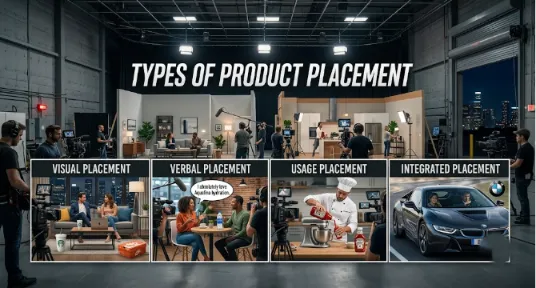
Types of Product Placement
Producers usually choose a strategy based on the script, budget, and marketing goals.
Visual Placement
The product simply appears on screen. Characters may never mention the brand name, yet viewers still recognize it easily. Therefore, this option works well because it feels subtle and realistic.
Verbal Placement
Characters explicitly mention the brand during dialogue. However, writers must ensure the conversation sounds completely natural. Forced dialogue can easily distract viewers and reduce story credibility.
Usage Placement
Characters actively use the product during important scenes. Generally, this approach creates stronger audience recall because viewers connect the product directly with memorable story moments.
Integrated Placement
The brand becomes an essential part of the story itself. Although this strategy offers maximum exposure, it requires careful collaboration between filmmakers and marketing teams.
Benefits for Filmmakers
This strategy offers far more than free props.
Most importantly, it helps finance independent productions. Brands often provide cash sponsorships, production services, locations, wardrobe, vehicles, catering, or equipment.
Additionally, partnerships reduce overall production expenses. Instead of renting expensive props, productions receive products directly from manufacturers.
Brand collaborations also increase promotional opportunities. For example, many companies share trailers, posters, and interviews across their social channels. As a result, filmmakers reach new audiences easily.
Furthermore, realistic products improve production design. Real-world brands make scenes feel believable because audiences encounter these products every day.
Benefits for Brands
Companies also gain significant value through film partnerships.
They receive authentic exposure instead of traditional advertising. Consequently, audiences experience the brand in a highly positive context.
Moreover, films often target specific demographics. Brands can select projects that match their ideal customers, which increases marketing efficiency.
Streaming platforms further improve data measurement. Today, brands analyze viewing statistics, audience demographics, regional popularity, and engagement metrics before investing. Therefore, entertainment marketing has become a data-driven strategy rather than a simple sponsorship.
How to Get Product Placement in Film
Independent filmmakers often assume product placement in film only works for major Hollywood studios. Fortunately, that is no longer true.
The first step involves identifying products that naturally fit your story. Instead of approaching hundreds of companies, focus on brands that genuinely align with your characters and locations.
Next, prepare a professional sponsorship proposal. You should include your script summary, audience profile, production schedule, distribution plans, and expected viewership. Brands want absolute confidence that their investment reaches real audiences.
Then, contact marketing departments, brand managers, or public relations agencies. Many companies maintain dedicated teams responsible for entertainment partnerships.
During negotiations, explain exactly how the product appears on screen. Clearly, transparency builds trust and prevents misunderstandings later.
Finally, deliver everything promised in your agreement. Strong partnerships often lead to future collaborations across multiple productions.
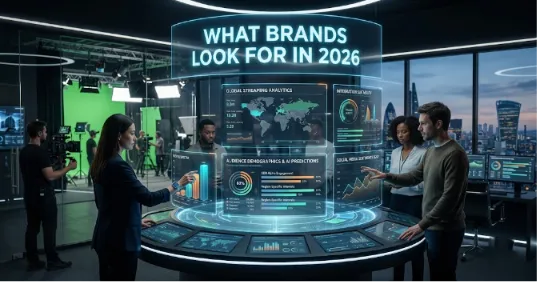
What Brands Look For in 2026
Today’s sponsors evaluate far more than basic script quality.
They examine audience demographics, social media influence, streaming potential, production value, and online engagement.
Many brands also review your previous projects. Even smaller productions can secure partnerships if they demonstrate professional execution and loyal audiences.
Additionally, companies increasingly seek diverse storytelling, international reach, and digital-first productions. For example, vertical dramas, YouTube originals, and streaming content now attract serious sponsorship interest. This happens because younger audiences consume more content on mobile devices.
As AI continues improving audience analytics, brands can predict campaign performance before production begins. Consequently, filmmakers who provide detailed audience data often gain a competitive advantage.
Common Mistakes to Avoid
Many productions lose sponsorship opportunities because they approach brands too late.
Instead, you should begin conversations early during pre-production. Early planning gives companies enough time to review proposals and allocate marketing budgets.
Another common mistake involves forcing products into scenes. Viewers quickly recognize unnatural placements. Instead, integrate products only when they genuinely support the story.
Some filmmakers also overpromise audience numbers. Honestly, accurate predictions create stronger long-term relationships than unrealistic expectations.
Finaly, avoid ignoring legal agreements. Every partnership must clearly define product usage, approval rights, payment terms, promotional obligations, and distribution permissions.
Managing Product Placement in Film During Pre-Production
Organization becomes essential once multiple sponsors join a production.
Filmmakers must track contracts, branded props, shooting schedules, scene requirements, and delivery deadlines.
Production management platforms simplify this process by keeping scripts, breakdowns, schedules, call sheets, and prop lists in one workspace. Teams can quickly identify which scenes include sponsored products. Consequently, every department stays perfectly aligned throughout production. This organized workflow reduces communication errors while helping productions fulfill every sponsorship commitment.
The Future of Product Placement in Film
This marketing field continues evolving alongside entertainment technology.
AI now helps brands identify ideal projects before filming begins. Furthermore, virtual production allows digital products to appear after principal photography. Personalized streaming advertisements may even display different brands to viewers in different regions.
Meanwhile, independent creators continue gaining access to sponsorship opportunities through digital distribution platforms. As streaming expands worldwide, smaller productions can attract international brands easily without relying on traditional studio systems. The future belongs to filmmakers who combine compelling storytelling with smart production planning and strategic brand partnerships.
Final Thoughts
Product placement in film has become one of the most effective ways to finance films while giving brands meaningful exposure. When creators integrate it naturally, it enhances realism instead of distracting audiences.
Success depends entirely on preparation, professional communication, and choosing partnerships that genuinely fit your story. Producers who begin planning during pre-production and maintain organized workflows will find it much easier to attract sponsors.
As the entertainment industry continues evolving in 2026, this strategy remains a valuable opportunity for filmmakers of every size. Whether you are producing a feature film, documentary, streaming series, or independent short, the right brand partnership can strengthen both your budget and your production.