
When you begin a new movie project, learning how to manage a film shooting schedule is a crucial step in filmmaking. This document ensures that your team shoots every scene efficiently and on time. Furthermore, a well-organized schedule saves both time and money. It actively helps filmmakers manage resources and personnel effectively. Consequently, the director’s creative vision will not collapse under the weight of logistical chaos.
This guide will walk you through the entire process of planning your production. First, you’ll learn how to break down a script and identify key elements. Next, we’ll cover how to group scenes and factor in logistics. You’ll also discover the importance of using modern scheduling tools to keep your production on track.
Communication is key, so we’ll show you how to distribute the paperwork to your crew. In addition, flexibility is essential, and we’ll discuss how to adjust your plans as unexpected variables arise on set. By the end of this guide, you’ll have the knowledge to create a comprehensive movie schedule. Therefore, let’s dive straight into the world of film production scheduling.

What Is a Film Shooting Schedule?
A film shooting schedule is a detailed plan that maps out every single shooting day. Specifically, it serves as the definitive roadmap for production, guiding the entire team through each scene from call time to wrap.
This document includes information crucial for production. For example, it details exactly when and where the crew films each scene. It also lists what resources, actors, and specific equipment the crew needs at any given moment. Without this document, a film set quickly devolves into expensive downtime.
Creating a professional film shooting schedule involves several key components. These components include:
Locations: Where each scene will be filmed, including backup locations.
Scenes: Specific scenes scheduled for each day, broken down by page count.
Cast: Which specific actors are required on set for each scene.
Resources: The exact equipment, props, wardrobe, and specialized crew needed.
The layout is essential for organizing a production. Therefore, it helps coordinate all elements efficiently. It acts as the bridge between pre-production planning and the high-stakes reality of principal photography. A well-crafted plan sets the stage for a smooth filmmaking process. Consequently, it ensures that all parts of the production machine move in perfect sync.
Why a Production Schedule Matters in Filmmaking
A production schedule is the absolute backbone of any film project. It provides structure, predictability, and organization to the naturally complex filmmaking process. Without it, chaos would likely ensue, draining your budget and burning out your crew.
The schedule helps manage resources and time efficiently. For instance, it ensures the availability of locations, cast and crew on set exactly when they are needed. This prevents costly delays—such as an expensive camera package sitting idle because an actor is stuck in wardrobe—and maximizes daily productivity.
Key reasons why a production schedule is crucial include:
Budget Control: Keeps spending in check by eliminating wasted days.
Time Management: Ensures hard deadlines, like festival submissions or distributor delivery dates, are met.
Resource Allocation: Utilizes specialized equipment and crew members wisely.
Coordination: Synchronizes the efforts of distinct departments (camera, art, lighting, sound).
A well-managed production schedule can be the difference between success and failure. Because it keeps the entire production on track, it protects the financial health of the project. Ultimately, an effective schedule aligns the creative vision of the director with the practical, economic realities of the production company.
Key Elements of a Movie Schedule
A movie schedule is more than just a chronological list of shooting days. It requires detailed consideration of various moving components that heavily impact production flow. Understanding these elements is essential for creating a schedule that actually works under real-world pressure.
First, breakdown the script into individual scenes. This allows for precise identification of required locations, cast, and props. Each scene needs specific attention to detail, including the narrative time of day (day vs. night) and any special technical requirements (such as crane shots or tracking rigs).
Next, consider logistical factors such as crew and equipment availability. High-end resources, like specialized lenses or specialized stunt rigs, must be booked well in advance to avoid last-minute hitches. Efficient scheduling saves both time and money by avoiding rush fees and shipping delays.
Seasonal elements, like weather and fluctuating daylight hours, also play a significant role. Outdoor shoots, in particular, need robust contingency plans. Therefore, understanding local weather patterns and exactly when the sun sets is critical for planning your shoot window.
Communication remains a key aspect of successful scheduling. Regular updates and clear, transparent communication foster smooth production. Thus, keep all stakeholders—from executive producers to production assistants—informed of the schedule and any necessary changes.
Here are some key elements to include:
Comprehensive scene breakdowns
Cast and crew multi-day availability
Secured locations and local permits
Logistical transit planning
Real-time weather considerations
Managing these elements effectively allows you to create a cohesive and flexible movie schedule that can withstand the daily surprises of film production.
Step 1: Break Down the Script
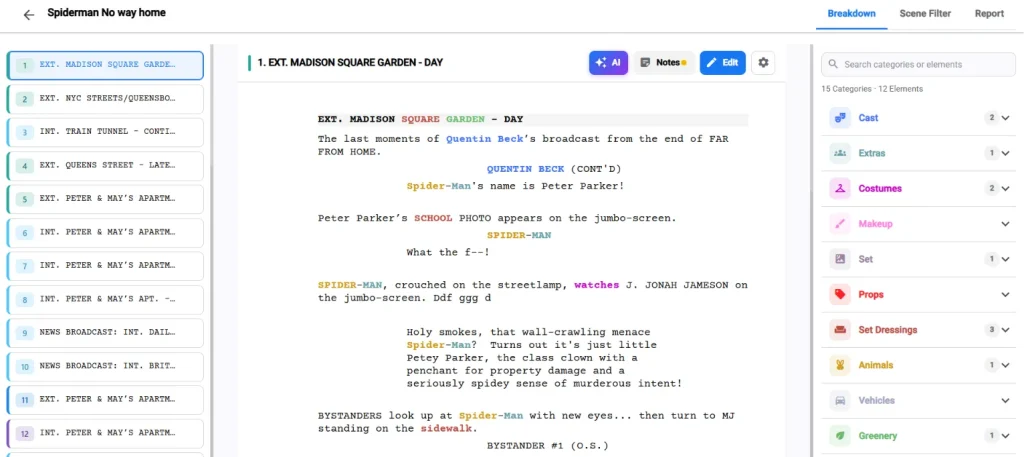
Breaking down the script is the first critical step in creating a film shooting schedule. It sets the foundation for all other planning activities. Each scene must be analyzed thoroughly to identify its specific technical and creative needs.
Begin by listing all the scenes with detailed elements. Note the setting, characters, and any important props required. Pay close attention to time indicators, like day or night scenes, as night shoots drastically alter your crew’s dynamic and labor costs.
Identify key locations for each scene. Knowing where the action takes place helps in planning logistical aspects like basecamp setup and parking. Consider any requirements for special effects or stunts, as these scenes inherently take longer to set up and execute safely.
Breakdowns should also consider character involvement. Which characters are present in each scene? This directly affects actor scheduling and availability, thus impacting the overall structure of the shooting schedule.
For clarity, use a checklist format to keep track of script elements:
Scene location, setting, and page length
Characters involved (speaking and background extras)
Props, dressing, and special requirements
Time of day, lighting needs, and weather dependencies
Breaking down the script provides a comprehensive roadmap for the rest of the scheduling process, ensuring no creative or logistical details are overlooked.
Step 2: Identify Locations, Cast, and Resources
Once the script breakdown is complete, shift focus to identifying the key logistical components: locations, cast, and resources. Each plays a pivotal role in shaping your final production timeline.
Begin with locations. Determine exactly where each scene will be filmed. Aim to reduce travel time and costs by grouping scenes shot at the same location together. Consider location restrictions, local noise ordinances, permits, and accessibility for heavy grip trucks.
Next, focus on the cast. Determine availability for each actor based on their scenes. Actors’ schedules can be incredibly complex, requiring flexibility in your planning. Coordinate closely with agents or managers to ensure accurate scheduling and to avoid costly contractual penalties.
Resources encompass all additional necessities, from physical equipment to crew members. Identify special equipment, such as specific cameras, drone packages, or lighting kits, required for certain shots. Ensure all personnel, like makeup artists, safety officers, or stunt coordinators, are available when needed.
For easy reference, maintain a checklist for each scene’s needs:
Locations with specific technical requirements and access windows
Cast availability, travel days, and contract parameters
Necessary gear, specialized rental equipment, and crew personnel
By thoughtfully identifying these components early, you’ll streamline your film shooting schedule and avoid costly surprises on set.
Step 3: Group and Sequence Scenes Logically
With locations, cast, and resources outlined, focus on grouping and sequencing scenes. Logical ordering saves an immense amount of time and money during production.
Start by reviewing scenes set in the same location. Shooting these consecutively eliminates unnecessary location moves, which are notorious for draining production hours. It also minimizes setup and breakdown times for the camera and lighting departments, which can be incredibly costly.
Consider the cast’s availability next. Prioritize scenes with the same actors close together. This approach maximizes their time on set, avoids paying for idle contract days, and facilitates highly efficient filming days.
Take the narrative flow into account as well. While logistics are key, storytelling continuity matters. Make sure scenes align with the movie’s emotional arc and pacing, allowing actors to deliver their best performances without being completely disoriented by massive narrative jumps.
A practical list for scene sequencing might look like this:
Group by Location: Scenes 1, 3, 7 (Living room)
Group by Cast: Scenes 2, 4, 5 (Actor A)
Narrative Flow: Balancing opening setups, the emotional climax, and resolution days
Balancing these factors helps create a smooth, logical flow for your movie schedule that satisfies both the production manager and the director.

Step 4: Factor in Availability and Logistics
Once scenes are grouped logically, dive deep into availability and logistics. These elements are crucial in shaping your final production timeline.
First, confirm cast and crew availability. Actors might have conflicting schedules, press tours, or prior commitments. Align filming dates strictly with their verified availability to avoid catastrophic rescheduling needs later.
Next, consider location logistics. Securing necessary city permits and understanding access restrictions ensures no unexpected surprises, like law enforcement shutting down your set. Always check location availability to align with shooting needs.
Don’t overlook essential equipment and resources. Confirm rental house availability before finalizing plans. A lack of needed gear or key crew delays the production schedule significantly, costing thousands of dollars per hour.
Key logistical considerations include:
Cast Schedules: Prior commitments, travel days, and mandated rest turnarounds
Location Permits: Obtaining necessary city permissions and parking allocations
Equipment: Ensuring gear availability, delivery timelines, and tech readiness
Travel Time: Accounting for transport and company moves between sets
A well-thought-out film shooting schedule navigates these logistical hurdles smoothly, keeping the set stress-free.
Step 5: Build the Shooting Schedule
After gathering all necessary information, start building your final calendar. This step integrates script breakdowns and logistical considerations into a cohesive, actionable plan.
Begin by organizing scenes based on priority. Prioritize complex scenes early in the day or early in the shoot, as they often require more time, energy, and resources. This strategy allows some buffer for challenges that may arise while the crew is still fresh.
Next, establish the timeline for your production schedule. Map out daily plans, specifying exact dates and times for each scene. Allocate time for setup, shooting, safety meetings, and breakdown efficiently.
Include buffer periods for unforeseen delays. Unpredictable events, such as sudden weather changes or equipment failures, will occur. Flexibility within your timeline mitigates stress and keeps production on track without blowing the budget.
Remember to incorporate rest periods. Keep your cast and crew’s well-being in mind by planning for mandatory breaks and meal times. A rested crew ensures high productivity and maintains a safe working environment.
Components of a shooting schedule include:
Scene Prioritization: Sequencing scenes based on technical complexity
Daily Timeline: Allocating specific hourly blocks for setups and shoots
Buffer Periods: Planning structural buffers for unexpected delays
Rest Intervals: Scheduling necessary union-compliant breaks and meals
A well-structured film shooting schedule enhances efficiency and reduces bottlenecks, leading to a smoother production process from start to finish.
Step 6: Use Scheduling Tools and Software
In today’s digital age, film production efficiency is heavily boosted by scheduling software. These tools simplify complex logistics and ensure absolute accuracy in your shooting schedule.
Popular legacy software like Movie Magic Scheduling or platforms like StudioBinder offer various features. They provide stripboards, templates, visual aids, and automated adjustments for quick planning. This digital approach minimizes human error and saves valuable pre-production time.
Choose a tool based on your project’s specific needs. Consider factors such as ease of use, cost, and team integration capabilities. Many tools offer tutorials to help beginners maximize utility and learn the industry standards quickly.
Benefits of using scheduling tools include:
Ease of Use: Simplified processes and intuitive drag-and-drop interfaces
Time Efficiency: Quick adjustments that automatically cascade through the schedule
Accuracy: Significant reduction in human error and double-booking conflicts
Embracing technology in scheduling can significantly streamline your film production, creating a more effective, modern, and organized workflow.
Streamlining Your Production with Studiovity
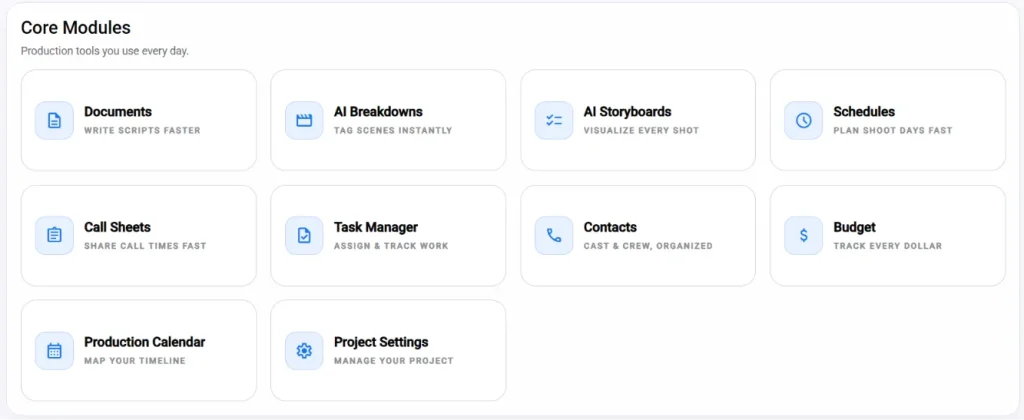
For modern filmmakers looking to take their production efficiency to the next level, Studiovity offers a comprehensive, all-in-one solution for film scheduling and script management. Studiovity bridges the gap between creative writing and technical execution, making the transition from script to schedule completely seamless.
Key Features of Studiovity:
Automated Script Breakdown: Upload your screenplay, and Studiovity automatically extracts characters, locations, props, and scene counts, saving you hours of manual data entry.
Dynamic Digital Stripboard: Drag, drop, and reorder scenes instantly. The software automatically recalculates your estimated shoot duration and flags potential talent or resource conflicts in real time.
Integrated Cast & Crew Management: Keep track of actor availability, contact info, and scene assignments directly within the scheduling tool.
Instant Call Sheet Generation: Turn your finalized shooting schedule into professional, distribution-ready call sheets with a single click.
Benefits for Your Production:
By centralizing your pre-production workflow, Studiovity eliminates the need to jump between fragmented spreadsheets and separate writing apps. If a scene location changes, the update automatically applies to your breakdown sheets, schedule strips, and upcoming call sheets. This real-time synchronization minimizes human error, keeps your departments perfectly aligned, and ultimately saves thousands of dollars in potential administrative delays.
Step 7: Communicate and Distribute the Schedule
Once your shooting schedule is finalized, communication becomes absolutely crucial. Ensure every team member understands their exact role, call times, and locations. Clear communication avoids misunderstandings and keeps the production on track.
Distribute the schedule using various reliable methods. Emailing PDF copies is common, while online sharing through secure cloud tools like Dropbox or integrated production platforms ensures easy access anytime. Choose methods that best suit your team’s everyday dynamics.
Regular updates are key to adapting to daily changes. By promptly informing all relevant parties of shifts in the schedule, you promote seamless cooperation and drastically reduce costly production hiccups.
Effective schedule distribution involves:
Timely Updates: Ensure immediate dissemination of new schedule revisions.
Accessible Formats: Use universally accessible file types like PDFs.
Central Platforms: Utilize shared digital spaces for seamless file management.
Step 8: Monitor, Adjust, and Stay Flexible
Monitoring the shooting schedule is an ongoing, daily task for the Assistant Director and Production Manager. This ensures all activities align perfectly with the master plan. Regularly track hourly progress on set to spot potential delays early.
Flexibility is crucial during the chaos of production. Unexpected events like sudden weather changes, an actor falling ill, or equipment issues can disrupt the best-laid plans. Adapt quickly to minimize the financial impact on the schedule.
Always have solid contingency plans in place. Being prepared for unforeseen circumstances reduces downtime and maintains crucial production momentum. Having backup solutions—like an indoor cover set—ensures smoother transitions during sudden schedule adjustments.
Key strategies for monitoring and adjusting the schedule:
Regular Check-ins: Frequent department status updates keep the team informed.
Adaptable Approach: Stay open to revising timelines when realities shift.
Backup Plans: Always prepare actionable solutions for unforeseeable disruptions.
Pro Tips for an Efficient Film Shooting Schedule
Crafting a professional film shooting schedule requires more than just mechanical organization. It demands deep creative understanding and foresight. Knowing industry best practices can make a significant difference in your daily wrap times.
Always plan for extra buffer time. Scenes almost always take longer than anticipated due to technical adjustments. With buffer time baked into the schedule, you’re less likely to fall behind and incur costly overtime fees. This proactive approach ensures fewer disruptions overall.
Communication remains your primary tool. All team members need constant, easy access to the schedule. Keep everyone informed of any changes immediately to maintain perfect crew alignment. An informed crew is a highly efficient one.
Here are essential tips to enhance your schedule:
Prioritize Complex Scenes: Tackle intricate or emotionally heavy shots early on.
Use Visual Aids: Color-code your strips (e.g., Yellow for Day/Exterior, Blue for Night/Interior) for clarity.
Regularly Update: Reflect real-time production changes instantly in the master plan.
Efficiency in scheduling can save time, money, and immense psychological stress. Integrating these tips streamlines the entire film production process.
Common Challenges and How to Overcome Them
Creating a film shooting schedule is fraught with unpredictable obstacles. These challenges can derail even the most meticulously crafted plans if you aren’t prepared. Recognizing them early can mitigate their impacts on your bottom line.
One common hurdle is environmental unpredictability. Weather conditions, for instance, can wreak havoc on outdoor shoots. Always have interior backup scenes (cover sets) ready so you can pivot your crew quickly without losing a shoot day. Flexibility is your best defense.
Cast and crew availability can also disrupt schedules. Conflicts inevitably arise despite careful planning. To address this, maintain constant, open communication with all parties involved. Swift, proactive adjustments can keep your movie schedule completely on track.
Here’s a brief list of common challenges and solutions:
Weather Issues: Always maintain accessible indoor backup sets.
Location Restrictions: Secure all city and private permits well in advance.
Equipment Failures: Rent from reputable houses and always keep key backups on hand.
Addressing these challenges with foresight and adaptability ensures smoother film production and a happier crew.

Sample Film Shooting Schedule Template
A well-crafted film shooting schedule is vital. To aid you, here’s a simple template to guide your production. This template can serve as a starting point, ensuring essential elements are included.
Start by listing key details such as scene number, location, and characters involved. Include columns for time allocations and any special requirements. Always adjust the template to fit your unique project’s needs.
Here’s a basic outline of what your schedule may include:
- Scene Number: Identify each scene.
- Location: Specify where it will be shot.
- Start and End Times: Allocate specific times.
- Characters Involved: List all primary actors.
- Props/Costumes: Note any special items needed.
Final Thoughts: Mastering Your Movie Schedule
Creating a film shooting schedule can seem incredibly daunting at first glance. However, with careful script breakdown, thorough organization, and the right digital tools, it becomes a highly manageable—and even rewarding—process. Remember to stay flexible and always be ready to adapt to daily changes.
A well-structured movie schedule not only saves precious time and money but also vastly enhances the filming experience for everyone involved. Embrace the process, leverage modern platforms like Studiovity, and watch your creative project come to life smoothly.