Every successful film begins long before the first camera rolls. Behind every smooth production, a structured pre-production workflow is followed by successful filmmakers to transform a screenplay into a practical production plan. Whether you’re producing a short film, feature film, documentary, commercial, or web series, investing time in this phase reduces delays. Therefore, it controls costs and keeps your creative vision intact.
A strong pre-production workflow allows filmmakers to anticipate challenges instead of reacting to them on set. Because of this, here is the essential pre-production workflow every filmmaker should follow.
1. Lock Your Script
Everything starts with a finalized screenplay. Before planning begins, the script should be locked to avoid major revisions during production.
Once it is finalized, conduct a script breakdown to identify every production requirement, including:
Cast and extras
Props and costumes
Locations and vehicles
Special effects and makeup
Equipment
Consequently, a detailed script breakdown ensures every department knows exactly what is required before production begins.
2. Create Your Visual Plan
After the script breakdown, it’s time to establish the visual identity of your film.
Most productions prepare:
Mood boards
Director’s lookbook
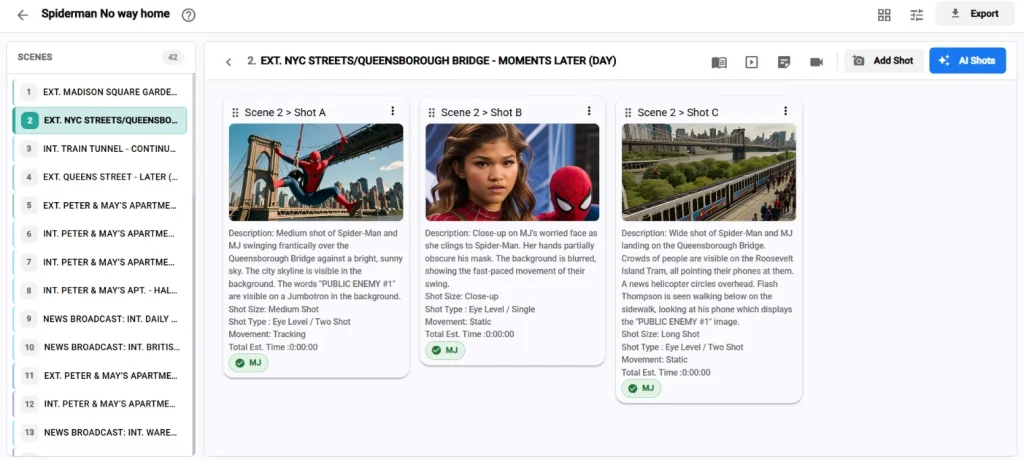
Indeed, these documents help directors communicate their creative vision. Furthermore, they ensure every department works toward the same cinematic style. A detailed shot list also improves efficiency by organizing camera setups. As a result, editors receive enough coverage during production.
3. Build a Production Budget
An accurate budget keeps the project financially realistic.
Specifically, a complete film budget should include:
Above-the-Line: Writers, producers, directors, and lead actors.
Below-the-Line: Crew, locations, equipment, and production design.
Post-production: Editing, sound design, and visual effects.
Marketing: Distribution and promotional funds.
Contingency: Funds for unexpected expenses.
For this reason, planning finances early minimizes production risks and prevents budget overruns.
4. Secure Locations and Permits
Beautiful locations are only useful if they’re practical for filming.
During location scouting, evaluate:
Lighting conditions and ambient noise
Electrical power and crew accessibility
Parking and holding areas
Weather considerations
If you are filming in public spaces, secure permits and production insurance well before the shoot. Consequently, you will avoid legal complications.
5. Cast the Right Talent and Build Your Crew
Great films depend on talented people. Therefore, begin by writing detailed character breakdowns and organizing auditions or self-tapes. Similarly, chemistry reads help ensure your lead actors work naturally together.
At the same time, assemble your production crew, including:
Director of Photography
Assistant Director
Production Designer
Sound Mixer
Costume Designer
Hair & Makeup
Production Manager
Clear responsibilities improve communication throughout production. Additionally, they keep the set organized.
6. Create an Efficient Shooting Schedule
A shooting schedule determines how smoothly production will run.
Professional scheduling considers:
Scene order and actor availability
Location grouping
Day and night scenes
Equipment requirements
- Weather forecasts
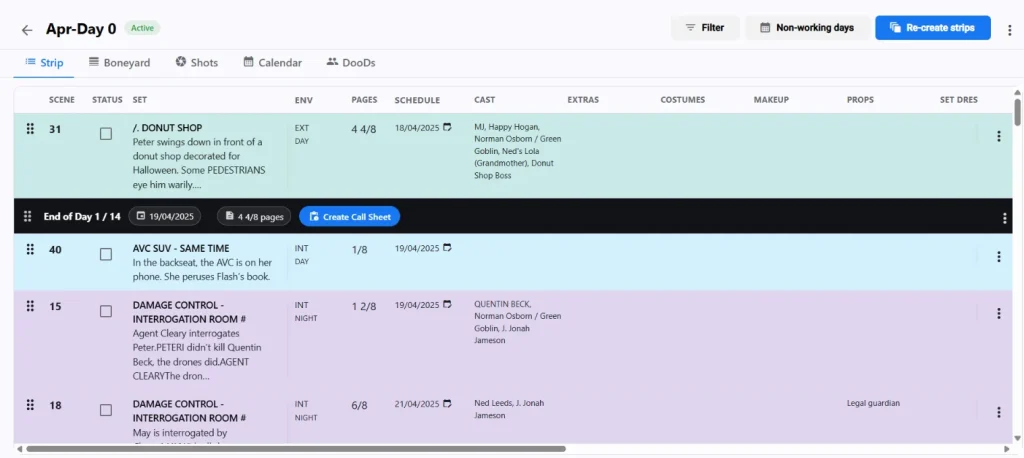
Significantly, grouping scenes by location reduces unnecessary company moves, saving both time and money. Most productions use stripboards or digital scheduling software to organize filming days efficiently.
7. Prepare Equipment Before Production
Equipment preparation is often overlooked but plays a crucial role in avoiding costly delays.
Therefore, before principal photography, test every piece of equipment, including:
Cameras and lenses
Lighting and audio recorders
Wireless microphones
Batteries and memory cards
Tripods and grip equipment
Ultimately, a dedicated prep day allows the camera and technical teams to identify issues before they impact production.
8. Conduct the Final Production Meeting
Before filming begins, organize a production meeting with every department.
Review:
Shooting schedule and scene requirements
Safety procedures and call times
Equipment needs and location logistics
Weather plans
Consequently, this meeting ensures every department understands its responsibilities before Day One.
Common Pre-Production Mistakes
Many production problems originate long before filming starts.
Avoid these common mistakes:
Beginning production with an unfinished script
Underestimating the budget
Skipping rehearsals
Scheduling too many pages per day
Poor communication between departments
Ignoring contingency planning
Forgetting permits or insurance
Preventing these issues during your pre-production workflow saves valuable time, money, and creative energy.
Simplify Your Pre-Production Workflow with Studiovity
Managing scripts, storyboards, budgets, schedules, call sheets, and production documents across multiple applications can quickly become overwhelming. Fortunately, Studiovity simplifies the entire pre-production workflow by bringing every essential filmmaking tool into one AI-powered platform.
From screenplay writing and AI-powered script breakdowns to storyboarding, shot lists, shooting schedules, budgeting, call sheets, production calendars, and team collaboration, Studiovity helps filmmakers manage every stage of production from a single workspace. By automating repetitive tasks and centralizing project management, production teams can spend less time on administration. Instead, they can focus more time on creating exceptional films.
Conclusion
A successful production is built during pre-production. By locking your script, creating a visual plan, preparing an accurate budget, organizing locations, assembling the right team, scheduling efficiently, and testing equipment before filming begins, you dramatically improve your chances of a smooth production.
The best filmmakers know that creativity thrives when preparation is complete. Therefore, following a structured pre-production workflow helps eliminate costly surprises, improves collaboration, and allows your entire team to focus on what matters most—bringing your story to life.