
In the mesmerizing world of cinema, the director is the visionary force behind a film’s journey from script to screen. Therefore, this exploration into Film Direction 101 delves into the intricate process of cinematic direction, examining the multifaceted roles directors play in transforming written words into compelling visual narratives. Through an extensive look at the various stages of film production and the challenges faced, we gain a deeper appreciation for the artistry and skill required in this creative endeavor.
Film directors are the orchestrators of cinematic experiences, tasked with the responsibility of interpreting scripts and bringing them to life. They act as the creative leaders who guide the film’s artistic and dramatic aspects, ensuring that the vision is consistently maintained throughout the production process. Consequently, mastering Film Direction 101 requires a balance of artistic instinct and managerial expertise.
Visionaries of Cinema
At the heart of film direction lies a profound vision. Directors must see beyond the written word, imagining how scenes will unfold visually and emotionally. This requires a deep understanding of storytelling, character development, and visual aesthetics. Specifically, directors conceptualize the film’s style, pacing, and tone, often drawing inspiration from a variety of sources, including art, literature, and personal experiences. They must also balance their personal artistic vision with the commercial aspects of filmmaking, ensuring the final product appeals to its intended audience.
Directors often immerse themselves in extensive research, delving into historical contexts, cultural nuances, and psychological underpinnings that enrich the narrative. This research informs their creative decisions, helping to craft a film that is both authentic and engaging. Additionally, directors must stay abreast of current trends and technological advancements in the film industry to incorporate innovative techniques that enhance their storytelling. Indeed, studying the fundamentals of Film Direction 101 emphasizes the importance of this continuous learning.
Collaborators and Communicators
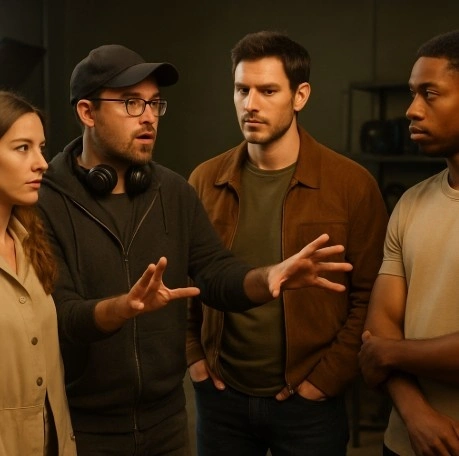
A director’s role extends beyond individual creativity; it involves collaboration with a diverse array of professionals, including screenwriters, producers, cinematographers, production designers, and actors. Effective communication is crucial, as directors must convey their vision to the entire team, ensuring that every element aligns with the intended narrative. This process involves not only articulating a clear vision but also being open to feedback and ideas from collaborators, fostering an environment of mutual respect and creative synergy.
Directors often hold regular meetings and workshops with their team, creating a collaborative atmosphere where ideas can be exchanged freely. They use these opportunities to refine the script, discuss character motivations, and explore visual styles, ensuring that everyone is on the same page. This collaborative spirit extends to the set, where directors maintain open lines of communication, allowing for real-time adjustments and improvements during filming.
Furthermore, directors must possess strong conflict resolution skills to navigate creative differences and ensure that the project remains on track. They act as mediators, balancing the various creative inputs while maintaining the integrity of the film’s vision. This requires diplomacy, patience, and the ability to make decisive choices that serve the best interests of the film.
Navigators of Production Challenges
The journey from script to screen is fraught with challenges, and directors must be adept at navigating these obstacles. They often face budgetary constraints, scheduling conflicts, and unforeseen technical issues that require quick thinking and resourcefulness. For this reason, any practical guide to Film Direction 101 focuses heavily on problem-solving. Directors must prioritize tasks, allocate resources efficiently, and adapt to changing circumstances to keep the production on course.
In addition to logistical challenges, directors must also manage the emotional well-being of their cast and crew, fostering a positive and productive working environment. This involves addressing any concerns or tensions that may arise and providing support and encouragement to maintain morale. By maintaining a steady hand and a clear vision, directors guide their team through the complexities of the filmmaking process, ensuring a successful and rewarding experience for all involved.
From Script to Screen: The Director's Journey
The director’s journey from script to screen is a meticulous and often complex process. It involves several stages, each requiring careful planning, decision-making, and execution. Within the framework of Film Direction 101, these stages represent the core roadmap of production.
Script Analysis and Interpretation
The director’s journey begins with an in-depth analysis of the script. This involves understanding the core themes, character arcs, and narrative structure. Directors dissect the script, identifying key moments and visual motifs that will enhance the storytelling. This stage is critical for developing a cohesive vision that will guide the entire production.
Directors often collaborate with screenwriters to refine the script, ensuring that it aligns with their vision while maintaining the story’s integrity. This collaboration may involve rewriting scenes, altering dialogue, or adding new elements that enhance the narrative. Directors also consider the pacing and rhythm of the script, making adjustments to ensure that it flows seamlessly from one scene to the next.
In addition to textual analysis, directors often engage in visual exploration, creating mood boards and visual references that capture the film’s aesthetic. These materials serve as a visual roadmap, guiding the director’s creative decisions and helping to communicate their vision to the production team.
Pre-production Planning
Pre-production is where the director’s vision begins to take tangible form. This phase involves meticulous planning and preparation, including location scouting, casting, and assembling the creative team. As taught in Film Direction 101, preparation here prevents failure on set. Directors work closely with the production designer to conceptualize the visual style, ensuring that sets, costumes, and props align with the film’s aesthetic.
During location scouting, directors assess various settings to determine their suitability for the film’s scenes. They consider factors such as lighting, accessibility, and the overall atmosphere, selecting locations that enhance the narrative and contribute to the film’s visual identity. Directors also collaborate with the cinematographer to plan lighting setups and camera placements that capture the desired look and feel.
Casting is another crucial aspect of pre-production, as directors seek actors who can bring authenticity and depth to their characters. They conduct auditions and screen tests, evaluating actors’ chemistry and performance styles to ensure the right fit for the film. Directors also work with casting directors to negotiate contracts and manage scheduling, ensuring that all logistical aspects are addressed before filming begins.
Storyboarding and Shot Composition
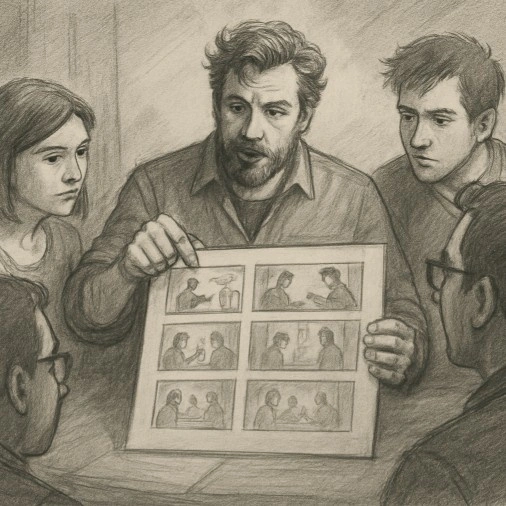
Storyboarding is a vital tool in the director’s arsenal, allowing them to visualize the film’s sequence of events. Directors work with storyboard artists to create detailed visual representations of each scene, outlining camera angles, movements, and composition. This process facilitates communication with the cinematographer and helps anticipate potential challenges during filming.
Directors use storyboards to experiment with different visual approaches, exploring how various camera techniques can enhance the narrative. They consider factors such as shot size, angle, and movement, selecting combinations that best convey the story’s emotional and thematic elements. By planning these details in advance, directors can make informed decisions during filming, optimizing time and resources on set.
In addition to storyboarding, directors may also create animatics or previsualizations, using digital tools to create rough animations of complex sequences. These visualizations help directors and their teams understand the pacing, timing, and spatial dynamics of scenes, allowing for more precise planning and execution during production. Thus, this technical step remains a pillar of Film Direction 101.
The Art of Cinematic Direction
Cinematic direction is an art form that encompasses various techniques and principles, each contributing to the film’s overall impact. To understand the art of Film Direction 101, one must examine the specific mechanics of visual execution.

Visual Storytelling
Directors are masters of visual storytelling, using camera techniques, lighting, and composition to convey emotions and themes. The choice of camera angles, movements, and framing can significantly influence the audience’s perception of a scene. Directors often employ symbolism and visual metaphors to add layers of meaning to the narrative.
Directors carefully consider the visual language of their films, selecting colors, textures, and lighting schemes that enhance the mood and atmosphere. They work with the cinematographer to design lighting setups that create depth and contrast, guiding the audience’s focus and highlighting key elements within the frame. Directors also use camera movements, such as tracking shots and handheld sequences, to create a dynamic and immersive viewing experience.
In addition to technical elements, directors incorporate visual motifs and symbols that reinforce the film’s themes and messages. These visual cues can be subtle or overt, serving as a means of communication between the director and the audience. By crafting a visually rich and engaging narrative, directors invite viewers to explore the story’s deeper meanings and connections.
Directing Actors
Working with actors is a pivotal aspect of a director’s role. Directors must guide actors in delivering authentic performances that align with the film’s tone and character development. This requires a keen understanding of human psychology and the ability to provide constructive feedback. Consequently, a large portion of Film Direction 101 focuses on building a supportive environment that encourages actors to explore their characters deeply.
Directors often engage in extensive rehearsals with actors, allowing them to experiment with different interpretations and approaches to their roles. These rehearsals provide an opportunity for directors to offer guidance and feedback, helping actors refine their performances and develop a deeper understanding of their characters. Directors also encourage actors to draw on their own experiences and emotions, fostering a sense of authenticity and relatability in their performances.
In addition to rehearsals, directors maintain open communication with actors on set, providing clear direction and support during filming. They offer specific notes and suggestions, helping actors adjust their performances to achieve the desired emotional impact. By building trust and rapport with their actors, directors create a collaborative environment where creativity can flourish.
Pacing and Rhythm
Pacing is a critical element of cinematic direction, influencing the film’s emotional impact and narrative flow. Directors manipulate pacing through editing, scene transitions, and the arrangement of shots. The rhythm of a film can evoke tension, excitement, or introspection, enhancing the audience’s engagement with the story.
Directors work closely with editors to craft the film’s pacing, experimenting with different cuts and transitions to achieve the desired tempo. They consider the timing of each scene, ensuring that the film’s rhythm aligns with the narrative’s emotional beats and themes. Directors also use techniques such as cross-cutting and montage to create dynamic and engaging sequences that maintain the audience’s interest.
In addition to editing, directors consider the pacing of individual scenes, using camera movements, dialogue, and sound design to control the flow of action. They employ techniques such as slow-motion and fast-paced editing to heighten tension or emphasize key moments, creating a captivating and immersive viewing experience. Therefore, mastering rhythm is essential for anyone studying Film Direction 101.
Challenges in Film Direction
The path to bringing scripts to screen is fraught with challenges that directors must navigate with skill and creativity. For this reason, practical experience often redefines the theoretical lessons of Film Direction 101.
Balancing Artistic Vision and Practical Constraints
Directors often face the challenge of balancing their artistic vision with practical constraints, such as budget limitations and time constraints. This requires resourcefulness and the ability to make decisions that maintain the film’s quality while adhering to logistical realities.
To address budgetary constraints, directors work closely with producers and production managers to allocate resources efficiently and prioritize key elements of the film. They may need to make creative compromises, such as adjusting locations or simplifying special effects, to stay within budget while preserving the film’s artistic integrity.
Time constraints also present significant challenges, requiring directors to plan meticulously and execute efficiently. Directors create detailed shooting schedules, coordinating with various departments to ensure that all aspects of production run smoothly. They must also be prepared to adapt to unforeseen circumstances, such as weather changes or technical issues, making quick decisions that keep the production on track.
Managing Creative Differences
Collaboration is essential in filmmaking, but it can also lead to creative differences among team members. Directors must mediate these differences, ensuring that the film’s vision remains cohesive while incorporating valuable input from collaborators.
Directors foster open communication and collaboration among team members, encouraging a culture of mutual respect and understanding. They facilitate discussions and brainstorming sessions, allowing team members to share their ideas and perspectives. This collaborative approach helps directors integrate diverse viewpoints into the film, enriching the narrative and enhancing its overall impact.
When creative differences arise, directors act as mediators, guiding discussions and finding common ground that aligns with the film’s vision. They may need to make tough decisions, balancing individual contributions with the overall direction of the project. By maintaining a clear and focused vision, directors ensure that the final product reflects the collective efforts of the entire team.
Navigating Industry Trends and Audience Expectations
In addition to creative challenges, directors must also navigate industry trends and audience expectations, balancing artistic innovation with commercial viability. They must stay informed about emerging technologies, storytelling techniques, and audience preferences, adapting their approach to remain relevant and competitive in the ever-evolving film industry.
Directors often conduct market research and audience testing to gauge reactions to their films, using this feedback to refine their approach and enhance their storytelling. They may also collaborate with marketing and distribution teams to develop strategies that effectively reach their target audience, ensuring the film’s success both critically and commercially.
The Impact of Technology on Film Direction
Technological advancements have revolutionized the field of film direction, offering new tools and possibilities for creative expression. Modern interpretations of Film Direction 101 must therefore account for these digital shifts.
Digital Cinematography and Special Effects
The advent of digital cinematography and special effects has expanded the director’s toolkit, enabling the creation of visually stunning and immersive worlds. Directors can now experiment with virtual sets, motion capture, and computer-generated imagery (CGI) to bring fantastical elements to life.
Digital cinematography provides directors with greater flexibility and control over their visual storytelling, allowing for precise adjustments to lighting, color, and composition. Directors can experiment with different camera techniques, such as drone shots and digital zooms, to create dynamic and visually engaging sequences. Additionally, digital technology enables directors to review footage in real-time, making on-the-spot adjustments that enhance the film’s overall quality.
Special effects also play a crucial role in modern filmmaking, allowing directors to create imaginative and otherworldly environments that captivate audiences. Directors collaborate with visual effects artists to design and implement these elements, ensuring that they seamlessly integrate with the film’s live-action components. By harnessing the power of technology, directors can push the boundaries of visual storytelling, creating films that are both innovative and impactful.
Editing and Post-production Innovations
Innovations in editing software and post-production techniques have streamlined the filmmaking process, allowing directors greater control over the final product. Directors can experiment with color grading, sound design, and visual effects, enhancing the film’s overall aesthetic and emotional impact.
Advanced editing software provides directors with a wide range of tools and features that facilitate creative experimentation and precision. Directors can manipulate footage, adjust pacing, and refine transitions to achieve the desired narrative flow and emotional resonance. They also work closely with sound designers and composers to create a rich auditory landscape that complements the film’s visual elements.
Post-production innovations, such as digital color grading and advanced visual effects, enable directors to enhance the film’s aesthetic and create a cohesive visual identity. Directors collaborate with colorists and visual effects artists to achieve the desired look and feel, ensuring that the final product aligns with their creative vision. By leveraging these technological advancements, directors can elevate their storytelling and create films that resonate with audiences on multiple levels.
Virtual Reality and Interactive Storytelling
Emerging technologies such as virtual reality (VR) and interactive storytelling offer new opportunities for directors to engage audiences in immersive and interactive experiences. Directors can create VR films and interactive narratives that allow viewers to explore and interact with the story in unique and engaging ways.
VR technology enables directors to craft immersive environments that transport audiences into the world of the film, providing a sense of presence and agency that traditional cinema cannot. Directors experiment with 360-degree filming techniques and interactive elements, creating experiences that invite viewers to explore and engage with the narrative on their terms.
Interactive storytelling also offers new possibilities for audience engagement, allowing directors to create branching narratives and multiple storylines that adapt to viewers’ choices. Directors collaborate with writers and developers to design these interactive experiences, ensuring that they maintain narrative coherence and emotional impact. By embracing these innovative technologies, directors expand the horizons of contemporary Film Direction 101.
Conclusion: The Director's Legacy
Film directors function as the architects of cinematic dreams, transforming scripts into captivating visual experiences that resonate with audiences worldwide. Through their vision, creativity, and collaboration, directors leave an indelible mark on the art of storytelling, shaping the cultural landscape of cinema.
In exploring Film Direction 101, we uncover the intricate processes and challenges that define the director’s role. As we continue to celebrate the art of film direction, we honor the directors whose visionary work continues to inspire and captivate generations.
Directors not only create films that entertain and engage audiences, but they also contribute to the broader cultural dialogue, exploring themes and issues that reflect and challenge societal values. Their work inspires future generations of filmmakers, shaping the evolution of cinema and its impact on the world.
As technology and storytelling continue to evolve, directors will remain at the forefront of this dynamic and ever-changing industry, pushing the boundaries of what is possible and creating films that resonate with audiences across the globe. Their legacy is one of innovation, creativity, and a deep commitment to the art of storytelling, ensuring that the magic of cinema endures for generations to come.
Bring Your Vision to Life with Studiovity
Ultimately, mastering Film Direction 101 requires more than just creative intuition; it demands the right tools to streamline your workflow and align your creative team. This is where Studiovity comes in. As an all-in-one production management platform, Studiovity bridges the gap between raw inspiration and seamless execution. Whether you are conducting an intense script analysis, sketching out dynamic storyboards, or building precise shooting schedules, Studiovity equips modern directors with intuitive tools to manage every pre-production detail. By simplifying collaboration and organization, the platform allows you to focus on what matters most: your artistic vision. Sign up for Studiovity today, and take your first step toward transforming your script into cinematic magic.