
Pre-production is where a film becomes possible. Before cameras roll, every creative choice, logistical detail, budget decision, and production risk needs to be translated into a plan the team can actually execute. Therefore, a strong Film Pre-Production Checklist helps you move from a “great idea” to a shoot that is organized, efficient, and creatively focused.
Whether you are making a short film, feature, documentary, music video, branded piece, or student project, the goal is the same: reduce uncertainty before production begins. The more you solve on paper, in meetings, and during prep, the more freedom you have on set.
Consequently, use this guide as a practical Film Pre-Production Checklist for project planning, script breakdown, scheduling, casting, locations, crew, gear, legal paperwork, and final shoot readiness.
Pre-production is not just administrative work. Instead, it is the bridge between the creative vision and the physical reality of filming.
A thorough pre-production process helps you:
Clarify the story, tone, and visual direction
Estimate budget and resource needs more accurately
Identify production challenges before they become set problems
Build a realistic shooting schedule
Align the director, producer, cinematographer, department heads, cast, and crew
Avoid unnecessary overtime, delays, missing props, location issues, and continuity mistakes
Protect the production legally and financially
In simple terms, pre-production gives the film a roadmap. Without it, even a strong script can become chaotic once production begins.

Start With the Creative Foundation
Before you get deep into logistics, make sure the creative core of the project is clear. Every production decision should support the story.
Your first checklist items should include:
Finalize the script or treatment
Confirm the genre, tone, and audience
Define the director’s creative vision
Identify the emotional arc of the story
Create references for cinematography, pacing, color, sound, and editing style
Discuss the intended runtime and format
Decide whether the project is built for festivals, streaming, social media, theatrical release, clients, or internal use
At this stage, avoid making vague creative statements like “cinematic,” “gritty,” or “high-end” without examples. Rather, gather references that show what those words mean for your specific film.
Helpful references may include:
Film stills
Lighting examples
Color palettes
Camera movement examples
Music references
Costume inspiration
Production design references
Editorial rhythm examples
Ultimately, this foundation will guide every later decision, from budget to locations to shot lists.
Complete a Detailed Script Breakdown
The script breakdown is one of the most important steps in any Film Pre-Production Checklist. It turns the script into a list of practical production needs.
Go scene by scene and identify everything required to shoot the film, including:
Cast members
Background actors
Props
Wardrobe
Makeup and hair needs
Vehicles
Animals
Stunts
Special effects
Visual effects
Practical effects
Music or playback
Set dressing
Locations
Time of day
Weather considerations
Special equipment
Sound challenges
- Continuity details
A proper script breakdown helps the producer, assistant director, production designer, costume designer, cinematographer, and other department heads understand the scope of the project.
For example, a short sentence like “The street erupts into chaos” may require extras, picture cars, police props, traffic control, permits, stunts, sound planning, safety meetings, and additional insurance. The script may be brief, but the production needs can be significant.
After the breakdown, create categorized lists for each department. This makes it easier to budget, schedule, assign responsibilities, and track what is ready.
Build a Realistic Budget
Once the script breakdown is complete, the producer can begin building a practical budget. Even if the project is low-budget or self-funded, you still need a clear understanding of costs.
Budget categories commonly include:
Cast fees
Crew rates
Location fees
Permits
Equipment rental
Production design
Wardrobe
Makeup and hair
Transportation
Lodging
Meals and craft services
Insurance
Post-production
Music licensing
Legal paperwork
Festival submissions or distribution costs
Contingency funds
Always include a contingency amount for unexpected expenses. Even small productions face surprise costs such as parking fees, replacement props, additional hard drives, weather delays, or last-minute location changes.
If the budget is too high, do not simply hope it works out. Instead, revisit the script and production approach. You may be able to combine locations, reduce company moves, rewrite expensive scenes, simplify stunts, or adjust the shooting style.
Good project planning is not about spending more. It is about matching creative ambition to available resources.
Create the Production Schedule
The shooting schedule is where creative needs, actor availability, location access, and budget all come together.
Start by organizing scenes according to:
Location
Interior or exterior
Day or night
Cast availability
Child actor restrictions, if relevant
Stunts or complex setups
Special equipment needs
Weather sensitivity
Company moves
Makeup, wardrobe, or effects time
Avoid scheduling only by script order. Most productions shoot out of sequence to save time and money.
A strong schedule should include:
Shoot dates
Scene numbers
Locations
Estimated page count or scene length
Cast required each day
Key props and wardrobe
Meal breaks
Company moves
Setup time
Wrap time
Buffer time for complex scenes
Be realistic. An overloaded schedule can damage performances, increase mistakes, and create unsafe working conditions. If a day requires multiple locations, night work, emotional scenes, practical effects, and a large cast, it may need to be simplified or split across more time.
Secure Locations and Permits
Locations can make or break a production. A beautiful location is only useful if it is practical, safe, legal, and sound-friendly.
When scouting locations, evaluate:
Visual fit for the story
Natural light and controllability
Power availability
Sound conditions
Parking
Restrooms
Holding areas for cast and crew
Load-in and load-out access
Weather protection
Neighbor concerns
Permit requirements
Insurance requirements
Restrictions on filming hours
Take photos and videos during scouts. Also, record ambient sound if possible. A location that looks perfect may be unusable if it is next to construction, traffic, trains, loud HVAC systems, or flight paths.
Before confirming any location, get written permission. Clarify exactly what areas you can use, when you can access them, what changes are allowed, and whether you must restore anything after filming.
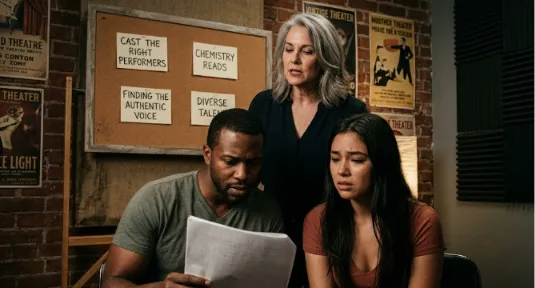
Cast the Right Performers
Casting is not just about finding talented actors. It is about finding performers who fit the story, understand the tone, and can work within the demands of the production.
Your casting checklist should include:
Character descriptions
Audition sides
Casting call details
Submission deadlines
Audition schedule
Callback process
Chemistry reads, if needed
Availability checks
Deal memos or contracts
Rehearsal dates
Wardrobe measurements
Special skill requirements
For dialogue-heavy or emotionally complex projects, build in rehearsal time. Even a short rehearsal can help actors clarify relationships, motivations, blocking, and tone before the pressure of set.
If the project includes minors, intimacy, stunts, weapons, animals, or sensitive subject matter, plan extra time for safety, consent, legal requirements, and specialized professionals.
Hire and Align the Crew
A film crew works best when everyone understands the vision, schedule, and expectations before production begins.
Key roles may include:
Producer
Director
Assistant director
Director of photography
Camera team
Gaffer and lighting team
Grip team
Sound mixer
Production designer
Art department
Costume designer
Makeup and hair team
Script supervisor
Production assistants
Editor
Colorist
Composer or sound designer
Smaller productions may combine roles, but responsibilities should still be clearly assigned. Confusion leads to missed details.
Before the shoot, hold department meetings to review:
Creative goals
Schedule
Shot priorities
Equipment needs
Department-specific concerns
Safety issues
Communication channels
File delivery or reporting expectations
The more aligned your crew is before the first call time, the smoother your shoot will be.
Plan the Visual Approach
Pre-production is the time to decide how the film should look and feel. This includes cinematography, production design, wardrobe, color, and movement.
Visual planning may include:
Mood boards
Lookbooks
Shot lists
Overhead blocking diagrams
Lens tests
Camera tests
Lighting tests
Color palette development
Wardrobe references
Set dressing plans
The director and cinematographer should discuss how the camera supports the story. Handheld, locked-off frames, slow push-ins, wide lenses, long lenses, natural light, stylized lighting, and controlled camera movement all create different emotional effects.
Do not create a shot list just to appear prepared. Create one that helps you prioritize what matters most if time becomes tight.
Use AI-Generated Images Strategically
AI-generated images can be helpful during pre-production when used as planning tools rather than final creative assets. They can quickly communicate visual ideas before the team invests time or money into builds, purchases, or location changes.
Consider using AI-generated images for:
Mood board exploration
Character costume concepts
Production design references
Color palette experiments
Pitch deck visuals
Lighting inspiration
Prop concepts
Creature or fantasy design exploration
Alternate location looks
Social or marketing concept development
However, AI visuals should not replace professional design decisions, legal review, or original artwork when final rights matter. Be careful with recognizable likenesses, copyrighted styles, logos, and assets intended for commercial use. Treat AI-generated images as a brainstorming and communication tool unless you have confirmed that they are legally and ethically appropriate for final production use.
Prepare Props, Wardrobe, and Production Design
The art department gives the world of the film texture and credibility. Even simple projects need intentional choices.
Checklist items include:
Final prop list from the script breakdown
Hero props identified and duplicated if needed
Set dressing list
Wardrobe for each character and scene
Backup wardrobe for continuity or damage
Makeup and hair references
Aging, distressing, or continuity requirements
Brand and logo clearance checks
Storage and transport plans
Pay attention to continuity. If a character spills coffee on a shirt in one scene, you may need multiple matching shirts. If a prop is broken during the story, you may need versions for before and after the break.
Photograph wardrobe, props, and set dressing during prep so the team has clear references on shoot days.
Confirm Gear and Technical Workflow
Equipment planning should be based on the story, schedule, locations, and crew capacity. More gear does not always mean a better film.
Your gear checklist may include:
Camera bodies
Lenses
Filters
Tripods, sliders, dollies, gimbals, or handheld rigs
Lighting fixtures
Grip equipment
Audio recorder
Microphones
Wireless systems
Headphones
Batteries and chargers
Media cards
Monitors
Video village needs
Power distribution
Data storage
Backup drives
Also plan the media workflow. Decide who handles footage, how files are labeled, where backups are stored, and how footage is delivered to post-production.
A common best practice is to keep multiple copies of footage in separate locations. At minimum, make sure your data plan is clear before the first card is formatted.
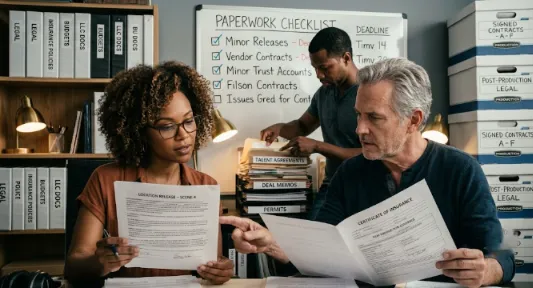
Handle Legal, Insurance, and Paperwork
Paperwork protects the production and helps prevent problems later, especially if you plan to submit to festivals, sell the film, release it online, or use it commercially.
Important documents may include:
Cast agreements
Crew deal memos
Location releases
Appearance releases
Music licenses
Artwork and logo clearances
Prop weapon documentation, if applicable
Insurance certificates
Permits
Vendor agreements
Minor release forms, if applicable
Safety plans
Do not wait until the shoot day to collect signatures. Build paperwork into the pre-production timeline.
Plan Safety Before Set
Safety should never be improvised. Every production, regardless of size, should identify risks before filming.
Review safety considerations such as:
Stunts
Fight scenes
Intimacy scenes
Weapons or prop weapons
Vehicles
Water
Fire or smoke
Extreme weather
Night shoots
Remote locations
Electrical load
Crowd control
Food allergies
Medical access
If a scene requires specialized knowledge, hire qualified professionals. This may include stunt coordinators, intimacy coordinators, armorers, animal handlers, medics, or safety officers.
A safe set is not only ethical. It also keeps the production focused and professional.
Prepare Call Sheets and Daily Plans
The call sheet turns the schedule into a daily action plan. It tells cast and crew where to be, when to arrive, what scenes are being filmed, and what to expect.
A call sheet should generally include:
Production title
Date
Call times
Location address
Parking instructions
Weather notes
Scene numbers
Cast required
Crew contacts
Nearest hospital or emergency information
Meal time
Special instructions
Wardrobe, makeup, or prop notes
Send call sheets with enough time for people to prepare. Last-minute communication creates confusion and delays.
Final Pre-Production Checklist Before Filming
In the final days before production, confirm everything again. Do not assume that verbal plans are still accurate.
Before the first shoot day, make sure you have a complete Film Pre-Production Checklist:
Locked script or approved shooting draft
Completed script breakdown
Final production schedule
Confirmed cast availability
Confirmed crew availability
Signed agreements and releases
Approved locations
Required permits
Insurance documents
Final shot list or storyboards
Props prepared and labeled
Wardrobe fitted and organized
Gear reserved and tested
Batteries, media, and backups ready
Transportation planned
Meals and craft services arranged
Safety concerns reviewed
Call sheets sent
Emergency contacts collected
Weather plan confirmed
Post-production workflow discussed
This final check is your opportunity to catch problems while they are still manageable.
Common Pre-Production Mistakes to Avoid
Even experienced filmmakers can run into avoidable issues. Watch for these common mistakes:
Starting production before the script is truly ready
Underestimating how long scenes will take to shoot
Ignoring sound challenges at locations
Skipping permits or written permissions
Forgetting backup props, wardrobe, batteries, or media
Scheduling too many company moves
Failing to feed the cast and crew properly
Not budgeting for post-production
Making the shot list too ambitious
Assuming everyone understands the plan without clear communication
Most production problems begin as pre-production oversights. The earlier you address them, the easier they are to fix.
Bringing It All Together
A strong Film Pre-Production Checklist is more than a list of tasks. It is a system for turning a creative idea into a workable production plan. By completing a detailed script breakdown, building a realistic schedule, securing the right people and locations, preparing legal paperwork, and planning for safety, you give your film the structure it needs to succeed.
Pre-production does not remove every challenge from filmmaking. Unexpected problems will still happen. But when your project planning is solid, your team can respond with clarity instead of panic.
Before you roll camera, slow down and utilize a Film Pre-Production Checklist. The time you invest in pre-production will show up on screen, in your workflow, and in the confidence of your cast and crew. For that reason, an organized Film Pre-Production Checklist remains your greatest tool for success.