
Independent filmmaking is built on creativity, determination, and smart planning. While a compelling screenplay and talented cast bring a story to life, a well-structured budget keeps the production moving. Therefore, the production must be kept moving from the first day of pre-production to the final release. Many promising projects fail because filmmakers underestimate costs or overlook important expenses. Consequently, these Film Budgeting Tips for Independent Filmmakers are shared to help you succeed. Learning how to create a realistic film production budget is just as important as writing a great script.
A film budget is more than a financial document. It serves as a roadmap that helps producers make informed decisions. Thus, you can allocate resources wisely and avoid costly surprises. Whether you are producing a short film, feature film, or documentary, understanding the fundamentals of budgeting allows you to maximize every dollar. As a result, you can protect your project without compromising your creative vision.
Begin With the Script
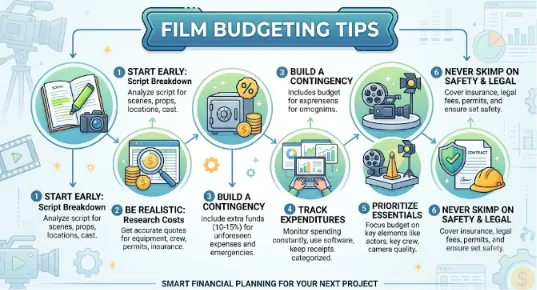
Every successful budget starts with the screenplay. Before opening a spreadsheet, read the script carefully and perform a detailed script breakdown. Every scene introduces elements that directly influence production costs. For example, these include cast members, locations, props, costumes, vehicles, visual effects, and special equipment.
A single location drama naturally costs less than a film featuring multiple cities, night shoots, action sequences, or extensive visual effects. Consequently, identifying expensive scenes early gives you an opportunity to simplify the script before production begins. Small rewrites often save thousands of dollars without affecting the story. Furthermore, modern AI-powered script breakdown tools also speed up this process. They do this by automatically identifying production elements and organizing them into manageable categories. Therefore, these tools offer great Film Budgeting Tips for Independent Filmmakers by saving time.
Understand Every Budget Category
A complete film production budget covers much more than camera rentals and crew wages. Dividing expenses into categories helps you monitor spending throughout the production. For instance, development includes script writing, legal services, research, pitch materials, and planning expenses. Meanwhile, pre-production covers casting, rehearsals, location scouting, permits, insurance, scheduling, and production meetings.
Production usually consumes the largest share of the budget. This stage includes crew salaries, equipment rentals, transportation, accommodation, catering, wardrobe, production design, makeup, and daily operating costs. However, many first-time filmmakers underestimate post-production. Editing, sound design, color grading, music licensing, visual effects, subtitles, and final deliverables require significant investment. Furthermore, marketing and distribution expenses should never be ignored. This is because completing a film is only half the journey. Reaching an audience also requires funding. Finally, every budget should include a contingency reserve because unexpected weather delays, equipment failures, or location changes can quickly increase expenses. Utilizing proper Film Budgeting Tips for Independent Filmmakers will help you allocate this contingency correctly.
Build the Budget Around the Shooting Schedule
Scheduling and budgeting always work together. Every additional shooting day increases labor, equipment rental, transportation, catering, and accommodation costs. Therefore, an efficient schedule directly reduces production expenses.
Group scenes by location whenever possible. Schedule actors efficiently to minimize holding days. Likewise, avoid unnecessary company moves because they consume valuable production time. Instead of asking how many scenes you can shoot each day, ask how many scenes your crew can realistically complete while maintaining quality. A shorter schedule that creates overtime often costs more than a properly planned production calendar. Fortunately, professional scheduling software helps producers visualize these relationships before production begins. This allows them to adjust schedules before additional costs appear. Applying practical Film Budgeting Tips for Independent Filmmakers during scheduling prevents these costly errors.
Prioritize Spending That Appears on Screen
Independent filmmakers often believe expensive equipment automatically creates a better film. In reality, audiences rarely notice the camera model. They do notice poor performances, weak sound, inconsistent lighting, and rushed editing. Therefore, you must focus your resources wisely.
Invest in the elements that directly improve the viewing experience. Strong actors, experienced sound professionals, effective production design, and quality editing usually deliver greater value than the newest camera package. Likewise, spend money where it supports the story. Character-driven dramas benefit from rehearsal time and strong performances. On the other hand, action films require proper stunt coordination, safety measures, and visual planning. Every budget decision should answer one question: Will this improve the audience’s experience? Keeping these Film Budgeting Tips for Independent Filmmakers in mind helps prioritize your spending.
Create a Lean but Effective Crew
Reducing crew size lowers labor costs, yet cutting too many positions often slows production. Crew members become overloaded, mistakes increase, and production efficiency suffers.
Instead of hiring fewer people, assign responsibilities carefully. Some crew members can manage multiple tasks on smaller productions. However, critical departments such as sound recording, camera operation, and production management require dedicated attention. Clear communication also improves productivity. When everyone understands expectations, production runs more smoothly. Consequently, this reduces delays that increase costs.
Never Compromise on Sound
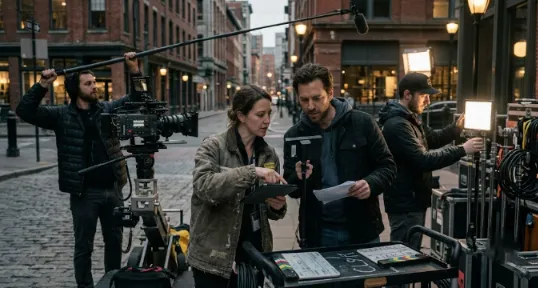
Poor audio remains one of the biggest reasons independent films appear unprofessional. Even impressive visuals cannot compensate for dialogue that audiences struggle to understand. Therefore, prioritizing audio is one of the most vital Film Budgeting Tips for Independent Filmmakers.
Budget for experienced production sound professionals, quality microphones, wireless systems, and proper monitoring equipment. Furthermore, choose filming locations that minimize background noise whenever possible. Post-production audio deserves equal attention. Dialogue editing, Foley, sound design, music mixing, and final mastering significantly improve the overall quality of the film. Excellent sound often creates a bigger impact than expensive visuals.
Track Every Expense
A budget should remain active throughout production. Recording expenses only at the end makes it impossible to identify problems before they become serious. Therefore, proactive tracking is essential.
Track estimated costs alongside actual spending. Record vendor payments, outstanding invoices, due dates, receipts, and notes explaining budget changes. Even small purchases such as batteries, memory cards, parking fees, and office supplies accumulate quickly during production. Regular cost reports allow producers to adjust spending before overruns affect the entire project. Additionally, digital budgeting platforms simplify expense tracking by organizing financial information in real time.
Plan for Legal, Insurance, and Permits
Legal documentation protects both the production and its investors. Independent filmmakers occasionally skip insurance or permits to reduce costs, yet this decision often creates greater financial risk.
Budget for production insurance, equipment insurance, location agreements, cast contracts, crew agreements, music licenses, appearance releases, and copyright clearances. If your film includes stunts, minors, branded products, or real-life stories, additional legal review may be necessary. Investing in legal preparation early usually costs far less than resolving disputes after production. Remembering these legal Film Budgeting Tips for Independent Filmmakers will save your production from major liabilities.
Choose Practical Film Finance Strategies
Funding an independent film rarely depends on one source. Most successful productions combine multiple financing methods.
Crowdfunding works well when filmmakers already have an engaged audience. Grants support projects with cultural or artistic value. Private investors may finance commercially attractive productions, while sponsorships and product placement can reduce production costs. Some filmmakers also use deferred compensation agreements. This allows key collaborators to receive payment after revenue begins. However, every agreement should be documented clearly to avoid misunderstandings later. Choosing realistic financing methods keeps productions financially stable and improves relationships with collaborators.
Review the Budget Regularly
Budgets should evolve throughout the filmmaking process. Every script revision, location change, cast adjustment, or scheduling update affects overall costs. Therefore, you must stay vigilant.
Review your budget after major production decisions. Compare estimated figures with actual expenses and update forecasts regularly. This habit helps identify overspending before it becomes unmanageable. Modern production management software makes these revisions faster by connecting script breakdowns, shooting schedules, call sheets, and budgeting into one workflow.
Final Thoughts
Successful independent filmmaking depends on balancing creativity with financial discipline. A realistic film production budget gives producers confidence. It helps departments work efficiently and protects the project from avoidable setbacks.
The best Film Budgeting Tips for Independent Filmmakers focus on planning instead of cutting corners. Build your budget from the script, schedule carefully, invest where audiences notice the difference, monitor expenses continuously, and prepare for unexpected challenges. Most importantly, remember that every dollar should support the story you want to tell. With thoughtful budgeting, independent filmmakers can transform limited resources into professional productions. Thus, your projects can be completed on time, within budget, and ready to reach audiences worldwide.