Screenwriting 101 combines creativity and structure into a powerful art form. It serves as the blueprint for films, effectively guiding both directors and actors. Writing your first script feels daunting, but Screenwriting 101 provides the guidance to make it an exciting journey. This guide walks you through every essential step. From developing fresh ideas to crafting sharp dialogue, we cover it all. You will learn about character development and compelling arcs. Furthermore, Screenwriting 101 offers prompts to spark creativity when you feel stuck. We also explore industry standards for professional formatting. Understanding these rules ensures your script looks polished. Finally, get ready to dive into Screenwriting 101 and bring your stories to life.
What is Screenwriting? An Overview
Screenwriting 101 defines the process of writing scripts for films and television. It acts as the foundation for all visual storytelling. A screenplay outlines the narrative, dialogue, and instructions for the crew. Ultimately, screenwriters create the worlds and characters that audiences see on screen.
Key elements include:
Dialogue for characters
Descriptions of scenes
Action sequences
Mastering Screenwriting 101 requires a blend of creativity and technical skill. Writers convey emotion while they strictly adhere to industry formats. Understanding these intricacies elevates your work and captivates audiences.
Understanding Screenplay Structure: The Three-Act Model
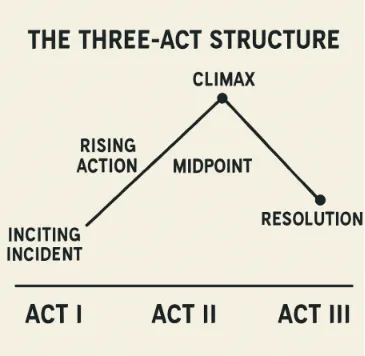
A well-written screenplay often follows the three-act structure. This model provides a framework for organizing your story. In the first act, you set up the story and introduce characters. Establish the setting and incite the main plot with a hook. Subsequently, the second act presents the confrontation. Your protagonist faces obstacles, and tension builds. Finally, the third act delivers the resolution. The protagonist confronts their ultimate challenge, wrapping up all loose ends.
Key components of Screenwriting 101 structure include:
Setup (Act 1)
Confrontation (Act 2)
Resolution (Act 3)
Applying these steps helps maintain pace and engagement. A clear arc ensures that your audience stays connected.
Developing Your Concept: From Idea to Logline
Before you write, you need a strong concept. This concept serves as the heart of your screenplay. First, brainstorm ideas rooted in themes that interest you. Once you have an idea, distill it into a premise. A good premise highlights the main conflict and the stakes. Next, create a logline. A logline is a single sentence summarizing your story. It should include the protagonist, their goal, and the primary obstacle. Consequently, a well-crafted logline acts as a guiding star. It keeps your story focused and ready for development.
Character Development: Creating Memorable Characters
Characters are the soul of any story. They drive the plot and engage the audience. Therefore, creating memorable characters requires deep thought. First, give each character clear motivations. Why do they want what they want? Understanding their desires makes them relatable. Additionally, consider character arcs. Strong stories feature characters who change over time. Spend time on backstories to add texture. As a result, you create multi-dimensional characters.
Key elements for Screenwriting 101 character development:
Motivations: What drives them?
Flaws and Strengths: These add realism.
Backstory: Their history influences their present.
Arc: The progression from start to finish.
Dialogue also reveals personality. Each character needs a unique voice. Remember, actions often speak louder than words.
Writing Prompts to Spark Your Screenplay
When creativity stalls, writing prompts effectively reignite your imagination. They serve as catalysts for new ideas. A well-chosen prompt might lead to an entire scene. Furthermore, prompts allow you to explore scenarios outside your comfort zone. This exploration often surprises writers. Each new angle broadens your narrative possibilities.
Try these prompts:
- A character wakes up with no memory of the last five years.
Someone receives an unexpected letter that changes everything.
A conversation overheard in a café sets off a chain of events.
Using these prompts helps overcome writer’s block. They act as creative springboards for your script.
Building Your Screenplay Outline
An outline serves as your roadmap. It organizes your scenes and sequences. Outlining helps you maintain structure and pace. Before starting, brainstorm key plot points and memorable scenes. This approach ensures you capture the story’s essence. A detailed outline prevents you from getting lost.
Consider these steps:
Identify the inciting incident.
Map out the midpoint.
Define your climax.
Using an outline helps you stay focused. It serves as a guide to navigate complex plots while maintaining a coherent flow.
Dialogue Writing: Making Characters Speak
Dialogue breathes life into your screenplay. It reveals character and advances the plot. Crafting authentic dialogue is essential for Screenwriting 101. Effective dialogue sounds natural yet purposeful. It engages the audience while conveying story details.
Consider these tips:
Use distinct voices to differentiate characters.
Avoid lengthy speeches; keep exchanges crisp.
Subtext adds layers and provokes thought.
Characters should speak with intent. Their words reflect their goals. Engaging dialogue sustains viewer interest by keeping conversations vibrant.
Visual Storytelling: Show, Don’t Tell
Visual storytelling is a cornerstone of the craft. It requires conveying emotions without excessive dialogue. This approach relies on actions to tell the story. Think cinematically. Imagine how scenes unfold visually. This engages the audience more deeply than words alone.
To enhance visual storytelling:
Use actions to reveal traits.
Rely on settings to create mood.
Incorporate visual symbolism.
Harness the power of visuals to connect emotionally. A picture on screen communicates what words sometimes cannot.
Formatting Your Screenplay: Industry Standards and Tools
Proper formatting remains crucial in the film industry. A standard format ensures your script is taken seriously. It follows conventions that help production teams read the script. For example, scene headings, action lines, and dialogue require correct alignment.
Utilizing screenplay software simplifies this task. Tools like Final Draft offer pre-set templates. These programs automatically adjust margins. This frees you to focus on creativity.
Key formatting elements:
Scene headings in CAPS.
Dialogue centered on the page.
Character names above dialogue.
Invest in learning these tools. Proper formatting shows professionalism.
Writing Tips for First-Time Screenwriters
Starting your first script can be overwhelming. Focus on your concept and let the story unfold naturally. Allow creativity to guide you, but do not fear structure. Write every day, even for a few minutes. Consistency is key. Practice helps you improve and discover your unique voice. Do not aim for perfection on the first draft; aim for progress instead.
Consider these tips:
Set realistic goals and deadlines.
Don’t hesitate to kill your darlings.
Seek feedback from trusted peers.
These practices make you a better writer. Embrace the journey.
The Art of Rewriting and Receiving Feedback
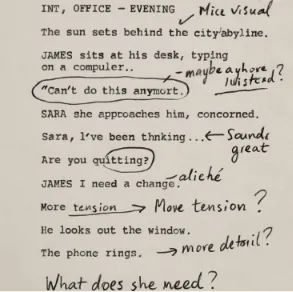
Rewriting is a crucial step in the process. Initial drafts often need refining to truly shine. Embrace the process to enhance your script. Feedback is also vital to your growth. It provides fresh perspectives and identifies weaknesses. Constructive criticism transforms your work from good to great. Take feedback with an open mind.
Prioritize these steps:
- Address major structural changes.
Refine character arcs.
Polish dialogue for impact.
Rewriting is where the magic happens. It is where your screenplay comes to life.
Navigating the Screenwriting Industry: Pitching, Copyright, and Networking
Entering the industry involves more than talent. Effective pitching is essential to get your work noticed. Develop a pitch that highlights your story’s uniqueness. Copyright protection also safeguards your work. Registering your screenplay ensures you maintain ownership. This legal step is crucial before sharing your script. Furthermore, networking opens many doors. Building connections leads to collaborations. Attend festivals and join writing groups.
Follow these tips:
Prepare a concise, engaging pitch.
Register your screenplay for copyright.
Network with industry professionals.
Success requires both creativity and strategy.
Common Mistakes and How to Avoid Them
First-time writers often make avoidable mistakes. Overlooking format is a common issue. Industry standards remain crucial for readability. Furthermore, characters lacking depth weaken your story. Develop rich backstories for every character. This makes them multidimensional. Pacing is another problem. A story that drags loses the audience’s interest. Ensure your script maintains a balanced rhythm. Being aware of these pitfalls helps you craft a stronger screenplay.
Resources and Next Steps for Aspiring Screenwriters
Aspiring writers should explore resources to expand their knowledge. Books, online courses, and workshops provide valuable insights. Engaging with these resources builds foundational skills. Network with other writers, too. Join forums or groups. Peer support proves invaluable for advice. Finally, remember that industry trends evolve. Always look for new opportunities to improve.
Consider these resources:
Books by Syd Field and Robert McKee
Online platforms like MasterClass
Screenwriting competitions
Commit to your journey with passion.
Conclusion: Your Screenwriting Journey Begins
Embarking on your journey feels overwhelming, but every step contributes to growth. Remember, persistence and passion are vital. With the foundation laid out in Screenwriting 101, you are equipped to write your first script. Embrace the challenges and celebrate small victories. Your unique voice is your most powerful tool. As you hone your craft, you transform your vision into a narrative that resonates. Your journey has begun; let your story unfold.
Bring Your Script to Life with Studiovity
Ready to put Screenwriting 101 into practice? Studiovity simplifies your writing journey. This comprehensive, industry-standard software handles all your formatting automatically, allowing you to focus purely on creativity. Craft memorable characters, outline your three-act structure, and write sharp dialogue effortlessly. From your initial logline to the final draft, Studiovity provides the ultimate digital canvas to turn your vision into a production-ready script.