
We’ve all sat in a dark theater, breathless, as Woody and Buzz Lightyear desperately chase a moving van in Toy Story. That heart-pounding emotion feels like pure cinematic magic, but behind the curtain, it is actually a highly calculated equation. By many successful creators, the top 10 screenwriting tips used by Hollywood are employed to ensure every emotional beat hits its mark.
Although many movie lovers have a brilliant idea floating around in their heads, a simple “story” is vastly different from a functional “screenplay.” According to industry veterans, a script isn’t a novel; it is a blueprint for a house. This invisible framework is called Narrative Architecture, and it acts as the hidden structural math dictating exactly when a hero must stumble or a plot twist should deploy.
Professional screenwriters rarely just sit at a desk waiting for random inspiration to strike. In practice, they rely on a specialized “writer’s toolkit” to systematically construct their cinematic worlds from the ground up. By utilizing reliable screenwriting tips and targeted writing prompts to test their characters’ limits, these creators consistently turn messy, scattered concepts into unforgettable emotional journeys. These top 10 screenwriting tips used by Hollywood provide the foundational blueprint needed to understand, appreciate, and build your own cinematic masterpiece.
1. The One-Sentence Powerhouse: Writing a Compelling Hollywood Logline
We know a great movie requires a compelling hero, but how do writers keep them on track for 100 pages? Before filming begins, Hollywood pros compress the entire movie into a 30-word sentence called a logline. Think of this as the film’s DNA. When writing a compelling Hollywood logline, creators must clearly define the protagonist, their ultimate desire, and the massive obstacle blocking their path.
The classic blockbuster Jaws perfectly demonstrates the script outlining methods used by pros:
The Hero: A water-fearing police chief…
The Goal: …must hunt down a killer great white shark…
The Conflict: …before it attacks the town’s crowded summer beaches.
This one-sentence summary becomes the writer’s North Star Concept. Furthermore, it ensures every single scene stays focused on the main plot. If a wild new idea doesn’t serve that central conflict, it gets cut. Consequently, with the movie’s DNA securely defined, creators can start building the foundation with a three-act story structure, which is one of the top 10 screenwriting tips used by Hollywood.
2. The Skeleton of Success: Mastering the Three-Act Story Structure
Every blockbuster needs a sturdy foundation to keep the audience glued to their seats. When mastering the three-act story structure, writers divide their narrative into a clear beginning, middle, and end. The first phase is The Setup, a crucial window establishing the hero’s normal world before dropping a massive problem in their lap to hook viewers immediately.
Navigating the massive second act is notoriously difficult because stories often lose momentum here. To maintain perfect pacing, the best script outlining methods focus on escalating conflict by constantly throwing new obstacles at the protagonist. Think of Star Wars; Luke Skywalker doesn’t just fly to the Death Star immediately, but must first survive a shady cantina and a terrifying garbage compactor.
After surviving that grueling middle, the third act delivers the final showdown where the initial problem is permanently resolved. This structural blueprint guarantees a satisfying pace. However, it is important to remember that these top 10 screenwriting tips used by Hollywood also emphasize that a flawless plot requires compelling character development to truly resonate.
3. Character Development: Moving from Cardboard Cutouts to Human Beings
Perfect heroes are incredibly boring. If a protagonist never struggles, the audience checks out immediately. True character development relies on a secret formula: the difference between what a character “wants” and what they “need.” The “Want” is their external goal—like Woody trying to stay Andy’s favorite toy in Toy Story. The “Need” is the internal lesson they must learn, like Woody accepting he must share the spotlight. This internal gap is where the emotional magic happens.
Bridging this gap creates a Character Arc, the journey of change your hero undergoes. When applying professional character arc development techniques, experts rely on a simple blueprint to ensure the protagonist feels remarkably human. Before writing a single line of dialogue, build a core ‘Character Profile’ checklist:
Goal: The tangible prize they are chasing (The Want).
Internal Flaw: The emotional blind spot holding them back (The Need).
External Obstacle: The physical barrier standing in their way.
Mastering this triad is the secret to creating emotional beats in a screenplay. Therefore, when your hero finally overcomes their flaw to win the day, the victory feels completely earned. This focus on internal growth is a staple among the top 10 screenwriting tips used by Hollywood.
4. The Spark that Starts the Engine: Defining the Inciting Incident
Every memorable movie begins by establishing the hero’s Normal World—their comfortable, everyday life—before shattering it completely. Hollywood writers use a specialized tool called the Inciting Incident to force this change. This is the exact moment an unexpected event disrupts the hero’s status quo, acting as the ultimate catalyst that drives the entire plot forward. Without this spark, your protagonist would just stay home.
Think about Luke Skywalker staring at the twin suns, bored on a moisture farm, until he finds a hidden holographic message from Princess Leia. When examining the hero’s journey in screenwriting, this specific beat represents the crucial first step. Because this moment starts the narrative with a bang, it demands immediate action. Hence, its inclusion in the top 10 screenwriting tips used by Hollywood.
5. Visual Storytelling: Show, Don't Tell
We’ve all groaned when movie characters suddenly stop to explain the plot to one another. Writers call this clunky information dump exposition, and it rapidly bores an audience. The true magic of cinema relies on moving pictures, making visual storytelling vs exposition in scripts a defining challenge for any creative. Instead of letting characters flatly state their feelings, the camera must do the heavy lifting.
Professionals solve this using a visual metaphor—a physical object or action representing a complex internal emotion. Think of the opening sequence in Pixar’s Up; we don’t need a narrator explaining Carl’s heartbreak because we simply see him holding a single, deflated balloon.
Mastering this “show, don’t tell” rule is among the most powerful top 10 screenwriting tips used by Hollywood, transforming flat ideas into unforgettable moments. Trusting the audience to read visual clues creates an engaging puzzle rather than a lecture.

6. The Unspoken Layer: Writing Realistic Dialogue and Subtext
Have you ever watched a scene where characters blurt out exactly what they are thinking? Industry professionals call this on-the-nose dialogue, and it shatters the movie magic by over-explaining the emotion. To write realistic screenplay dialogue, the trick is mastering subtext—the unspoken layer hiding beneath the literal words. People in real life rarely state their deeper feelings outright; they deflect, joke, or talk around the issue.
Great subtext disguises a character’s true, desperate agenda. Here is a classic before-and-after scenario:
Before (On-the-Nose): “I am terrified you might die on this dangerous mission.”
After (Subtext): “Did you pack the heavy coat? It gets cold out there.”
By focusing on the unspoken layer, everyday conversations suddenly bristle with hidden meaning and emotional weight. This mastery of conversation is why subtext is featured in the top 10 screenwriting tips used by Hollywood.
7. The Wall Analogy: Building Narrative Tension and Stakes
Hollywood writers rely on the “Wall” method for building narrative tension, ensuring heroes constantly struggle against heavy obstacles. To make audiences actually care about that struggle, you must establish high stakes—the severe, unavoidable consequences of failure. If the heroes in Jurassic Park cannot reboot the park’s security system, they will be eaten by dinosaurs.
A powerful trick is dramatic irony, where the audience knows crucial information that the characters miss. Think of Toy Story—we know Buzz Lightyear is just a plastic toy, but he confidently believes he is an invincible space ranger. This generates immediate suspense when he faces danger. Stacking these intense obstacles is a key component of the top 10 screenwriting tips used by Hollywood.
8. Saving the 'Muddle' Through Pacing: Fixing a Weak Second Act
Even with a brilliant three-act structure, writers often stumble in the sprawling middle of their story. This is where you might hit The Coffee Shop Trap—a pacing disaster where characters just sit around discussing the plot instead of taking actual risks. Fixing a weak second act requires getting your heroes out of their chairs and actively chasing their goals.
The ultimate trick for overcoming script pacing problems is the Midpoint—a massive plot twist exactly halfway through the film that completely destroys the hero’s current plan. In Jurassic Park, the halfway mark is the exact moment the power fails and the T-Rex escapes its paddock. A safe scientific tour instantly transforms into a desperate fight for survival. Since this provides a strategic jolt, it remains one of the top 10 screenwriting tips used by Hollywood.
9. Professional Polish: Industry Standards and the 'Spec Script'
Behind the scenes, the document written to sell your original idea is called a Spec Script. Mastering industry standard formatting means understanding spec script vs shooting script requirements. Shooting scripts are cluttered with technical camera directions, but spec scripts read like fast, engaging stories designed purely to hook producers.
Hollywood readers toss out amateur submissions immediately. To keep them turning pages, avoid these three formatting “red flags”:
Directing on the page: Writing “the camera pans left” instead of focusing on character actions.
The Novelist’s Trap: Writing massive, intimidating blocks of descriptive text.
The wrong font: Using anything except standard 12-point Courier.
Professionals fix text-heavy pages by mastering White Space. Because the narrative needs to breathe, this formatting rule is essential among the top 10 screenwriting tips used by Hollywood.
10. Your Roadmap to the Big Screen: Applying Hollywood Secrets Today
While the magic of favorite movies might feel like mysterious bursts of inspiration, unforgettable stories are carefully built. These foundational blueprints transform a spark of an idea into a compelling narrative.
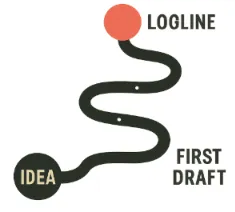
Do not wait for a perfect muse to strike. Start your engine right now by grabbing simple writing prompts to uncover your protagonist’s central problem. Take that initial concept, mold it into a single-sentence logline to clearly establish your conflict, and push forward into a messy, glorious first draft.
Applying these top 10 screenwriting tips used by Hollywood shifts you from a passive viewer into an active storyteller. Grab your notebook, establish your stakes, and decide: what happens in your opening scene? Utilizing the top 10 screenwriting tips used by Hollywood is the best way to start your journey today.
Elevate Your Screenplay with Studiovity
Transforming these Hollywood principles into a formatted script can feel overwhelming, but you don’t have to build your narrative architecture alone. Studiovity streamlines your entire pre-production workflow, seamlessly turning your initial logline into a production-ready screenplay.
With specialized tools designed for character profiling, act structuring, and index card plotting, our intuitive software ensures you stay focused on the visual storytelling that matters most. Ready to bring your vision to life? Sign up for Studiovity today and map your roadmap to the big screen.