
Art Direction in Filmmaking: Creating the Visual World of a Film
You may not notice every visual detail in a movie. However, your brain still reacts to them instantly. The glowing white hallways in 2001: A Space Odyssey immediately create a cold and isolated feeling. Therefore, audiences emotionally connect with the environment before characters even speak. This reaction shows the power of Art Direction in Filmmaking. It creates believable worlds that feel authentic and emotionally real.
Many viewers think cinematography creates the full atmosphere of a movie. However, the art department builds the spaces the camera captures. Cinematography controls lighting and lenses, while production design shapes the physical environment. Therefore, every room, object, and texture supports the emotional tone of the story. A skilled art director also removes distracting visual details. As a result, audiences stay fully immersed in the film’s world.
You can easily train yourself to notice these creative choices. For example, study the background of a character’s home during a scene. A worn bookshelf or polished briefcase can reveal personality traits instantly. Moreover, color choices and furniture placement often communicate hidden emotions. Once you recognize these details, movies become far more immersive. This deeper awareness helps viewers appreciate Art Direction in Filmmaking on a new level.
Architect vs. Contractor: Decoding the Production Designer and Art Director Roles
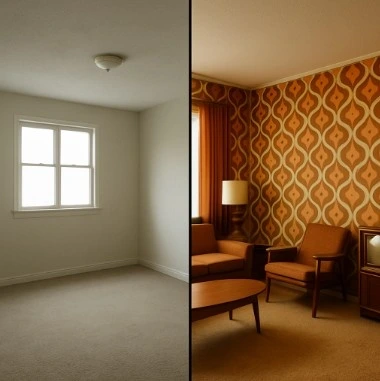
Building a custom dream home without a blueprint is a recipe for disaster. Creating a cinematic world requires a similarly massive team, led by two crucial roles. To understand art director vs production designer responsibilities, think of the Production Designer as the architect. They read the script and dream up the overarching visual theme—like imagining a neon-soaked, futuristic metropolis. The Art Director, then, is the general contractor. They figure out exactly how to construct that massive dream safely on a soundstage before the studio’s money runs out.
Turning that grand vision into physical reality relies on a highly organized chain of command. The standard art department hierarchy and workflow includes:
- Production Designer: The visionary who dictates the overarching visual tone.
- Art Director: The logistical manager overseeing construction crews, technical drafting, and budgets.
- Set Decorator: The interior designer sourcing furniture and wallpaper to make spaces look authentically lived-in.
- Prop Master: The specialist handling the specific items—the “tools”—that actors physically touch.
Without this rigorous structure, even the most brilliant cinematic worlds would collapse. When people ask what are the duties of a film art director, it ultimately boils down to timeline management and technical execution. They act as the essential bridge connecting a director’s wild imagination to the practical reality of lumber, paint, and daily deadlines. This collaboration sits at the center of Art Direction in Filmmaking.
The Visual Blueprint: Translating Script Pages into Mood Boards and Concepts
Reading a screenplay is a solitary experience, but building that world is a massive effort. The role of the art department in pre-production starts with a ‘Script Breakdown‘—combing through every page to catalog all the physical items needed. When translating a screenplay into visual concepts, a simple sentence like “the house looked tired” explodes into hundreds of distinct choices. Does “tired” mean peeling 1970s floral wallpaper or fresh water stains creeping across a plaster ceiling? Every single prop, piece of furniture, and background detail must be meticulously logged.
Getting those specific choices right demands intense historical research for period piece film sets. If a movie takes place in a 1920s speakeasy, the team cannot accidentally feature a neon bar sign manufactured in the 1950s. That kind of glaring visual mismatch is called an anachronism—a physical object existing outside of its correct time period. Designers act like forensic historians, studying old photographs and architectural catalogs to ensure the environment feels authentically lived-in rather than like a generic costume party.
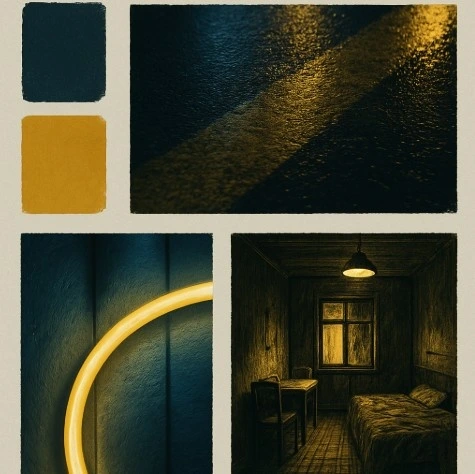
Before a single hammer swings, these ideas must be communicated using a shared language. The ultimate solution is creating mood boards for film visual style. A mood board is a curated collage of fabric swatches, reference photos, and conceptual sketches that establishes the project’s exact vibe. By aligning the director and designers early, they prevent expensive miscommunications. Strong planning and visual consistency are essential elements of Art Direction in Filmmaking.
The Emotional Thermostat: Controlling Mood Through Color Palettes and Texture
Think about stepping into a sterile hospital versus a cozy, wood-paneled pub. Your brain instantly adjusts its emotional temperature, which is exactly how to create a film color palette for storytelling. Art directors use color as an emotional thermostat to manipulate your feelings before a single line of dialogue is spoken. Warm hues wrap the audience in nostalgia and safety, while cool tones trigger feelings of clinical isolation. To decode this unspoken language on your next movie night, watch for these common psychological shortcuts:
- Red: Signals danger, intense passion, or sudden violence.
- Blue: Evokes melancholy, isolation, or a cold, calculated environment.
- Yellow: Suggests warning, corruption, or an unsettling sickliness.
Beyond just picking paint chips, a believable world demands physical history to maximize the impact of set decoration on film atmosphere. How do you make a freshly built soundstage look like a house that has been lived in for forty years? The secret is “patina”—the natural buildup of dust, rust, and daily wear. Without it, sets feel fake, like a cheap daytime soap opera. Art directors use a technique called “aging” or “distressing,” literally attacking brand-new furniture with sandpaper, chains, and grime washes to fake decades of life. Smooth, shiny textures scream “new and artificial,” while rough, heavily distressed surfaces whisper “authentic and grounded.”
Blending these distressed textures with precise emotional colors elevates background scenery into active visual metaphors in cinematic production design. A spotless, icy-blue kitchen doesn’t just look pretty; it subconsciously tells us the family eating there is fractured and emotionally distant. Every scratch on a doorframe and every faded wallpaper seam holds a clue about the people who inhabit the space. These details demonstrate why Art Direction in Filmmaking plays such a major role in emotional storytelling.
Talking Walls: Using Environmental Storytelling to Reveal Character Secrets
Step into any teenager’s bedroom in a classic movie, and you instantly know their fears and dreams before they ever speak. This visual biography is the heart of environmental storytelling in narrative filmmaking. The secret lies in “set dressing”—the countless background objects like band posters or half-read books that actors never actually touch. While the broader set design creates the literal walls of the physical room, set dressing gives that space a pulse, effortlessly filling the environment with a rich, unspoken history.
How a character manages their personal space speaks volumes about their internal state, heavily shaping the impact of set decoration on film atmosphere. A meticulously clean apartment featuring severe, echoing empty space doesn’t just look modern; it subconsciously broadcasts profound loneliness or a need for rigid control. Conversely, a desk buried under old coffee cups and tangled wires instantly communicates a frantic, highly creative mind. By simply observing the sheer density of items in a room, you can decode whether a character’s life is terrifyingly empty or comfortably chaotic.
Beyond the actual volume of stuff, the arrangement of furniture creates powerful visual subtext about relationships. Imagine an office where the guest chair sits noticeably lower than the executive desk; that subtle choice establishes a distinct power dynamic without a single word of dialogue. When a dining room features a massive table distancing a married couple at opposite ends, the physical gap mirrors their emotional estrangement. These subtle choices reveal the true strength of Art Direction in Filmmaking.
Small Objects, Big Impact: How Props Carry the Narrative Load
If set dressing provides the atmosphere, the items actors actively touch become narrative engines. Enter the Prop Master. During the critical role of the art department in pre-production, this specialist sources objects with the correct physical “weight” and “sound” to help actors find their characters. A heavy, clinking metal lighter feels entirely different in a performer’s hand than a hollow plastic one, instantly grounding the scene in reality and giving the actor a tangible piece of their character’s world.
Not all objects on a set demand the exact same level of craftsmanship. To manage the chaos of production, the crew divides these items into a specific hierarchy:
- Hero props: The highly detailed items essential to the plot—like an engraved magical ring or an emotional letter—designed to look absolutely flawless in extreme close-ups.
- Action props: Everyday items actors handle repeatedly, built for safety and durability.
- Dressing props: Untouched background objects that simply fill out the environment.
Ultimately, choosing props that support character development is a masterclass in subtle psychology. A businessman checking a pristine Rolex communicates a vastly different socioeconomic status than a detective checking a scratched digital watch. This meticulous alignment of personal objects and identity is what elevates Art Direction in Filmmaking from simple decoration to immersive storytelling.

Cinema on a Budget: Creative Set Design Tricks for Independent Filmmaking
Hollywood blockbusters might spend millions constructing elaborate sets, but independent creators rely on ingenuity over cash. One of the most effective set design techniques for low budget movies is leveraging “found locations.” Instead of building from scratch, indie art directors treat location scouting as their primary design tool. By securing a dilapidated warehouse or a retro diner that already possesses the right aesthetic, they capture decades of authentic texture for free.
When physical building is unavoidable, repurposing existing materials becomes the ultimate survival skill. Savvy designers know that color-matching cheap items—like painting foam insulation and thrift-store furniture with the same moody palette—tricks the eye into seeing a cohesive, high-fashion space. This scrappy creativity often serves as the foundation for building a professional art direction portfolio. The audience never realizes they are looking at repurposed junk because the visual language remains strictly unified.
Maintaining this illusion ultimately relies on the “Law of the Frame,” which dictates that if the camera cannot see it, it simply does not need to be built. Art departments collaborate with directors to define the “Action Zone”—the tightly framed area where the scene actually unfolds. By concentrating limited resources only on what the lens captures, they effortlessly hide raw plywood and lighting stands just inches outside the shot. These practical techniques highlight the resourcefulness behind Art Direction in Filmmaking.
How to Critique a Film's Visual World
You no longer have to watch movies as a passive observer. By understanding the intricate dance between the Production Designer’s grand vision and the team’s precise execution, you can now appreciate the true depth of cinematic production design. You recognize that peeling wallpaper in a horror movie is never a random accident, but rather a crucial piece of visual storytelling designed to pull you deeper into the narrative.
This awareness completely transforms how you experience cinema. You now realize that every single object on screen is a deliberate choice crafted to subtly manipulate your emotions and reveal hidden truths about the characters. The magic of Art Direction in Filmmaking is the quiet heartbeat of the movie, turning empty soundstages into breathing, lived-in realities.
Put this perspective to the test during your next viewing. Pick a movie famous for its distinct aesthetic—like a highly symmetrical Wes Anderson film—and watch it strictly to observe the set decoration. Look closer at the specific books on a character’s shelf or the emotional temperature of a room’s color palette. When you actively read a room instead of just listening to the dialogue, you will discover an entirely new movie waiting for you in the background.
Bring Your Visual Storytelling to Life with Studiovity
Great visual storytelling needs clear planning and strong collaboration. Therefore, filmmakers must manage scripts, designs, schedules, and production tasks efficiently. Studiovity helps creative teams organize every stage of filmmaking in one place. Moreover, the platform includes screenwriting, AI script breakdowns, shot lists, storyboards, scheduling, budgeting, and call sheet tools. Independent creators and production teams can also streamline communication and improve workflow speed. As a result, filmmakers can focus more on creativity and less on production chaos. With Studiovity, turning cinematic ideas into immersive on-screen worlds becomes faster, simpler, and more organized.