
Script lines like “a massive explosion levels downtown” take only two seconds to read. Yet for a film producer, those six words represent a million-dollar puzzle requiring hundreds of crew members to solve. This massive gap between a screenwriter’s imagination and a studio’s bank account is where the real movie magic begins. Therefore, How Software Simplifies Film Cost Estimation has become one of the most important discussions in modern filmmaking.
Planning a wedding for 150 people is widely known to be a logistical nightmare. Now, picture organizing a celebration that lasts sixty days, involves 400 specialized staff members, and requires a fire-breathing dragon. In practice, every single noun on a page carries a hidden price tag, forcing producers to act as ultimate problem solvers.
Decades ago, crossing this “script to budget” bridge required manual ledger counting, with production teams spending weeks marking pages with physical highlighters. Today, film cost estimation software acts like a digital highlighter, instantly scanning stories to sort props, actors, and locations into manageable financial buckets. Industry data reveals this automation saves countless hours of tedious accounting. As a result, filmmakers now better understand How Software Simplifies Film Cost Estimation across productions of every size.
Ultimately, modern financial planning is less about restricting ideas and more about protecting the director’s creative vision. This technology acts as a secret weapon, keeping ambitious productions from going bankrupt while successfully bringing our favorite blockbuster stories to life.
Why Seven Words Can Cost Seven Figures: The Bridge Between Art and Finance
A screenplay is not just a creative story; it acts as a highly detailed blueprint for a multimillion-dollar construction project.
That famous Hollywood script format—with its centered dialogue and precise margins—isn’t just an artistic tradition. Instead, it organizes the narrative into structured data. When figuring out how to create a film budget from a screenplay, producers rely on this exact formatting so modern software knows exactly where to look for expensive requirements.
Think of the script as a giant recipe where every noun translates directly to a dollar amount in the bank. The script breakdown to budget workflow begins when production software categorizes these ingredients, automatically hunting for every specialized prop, location, or crowd of background extras hidden inside the action lines.
Instead of a human spending three weeks manually tallying up every required coffee cup and explosion with colored markers, modern technology handles this initial sorting instantly. Consequently, How Software Simplifies Film Cost Estimation becomes obvious even during the earliest stages of production planning.
Digital Highlighting: How Software 'Reads' Your Screenplay
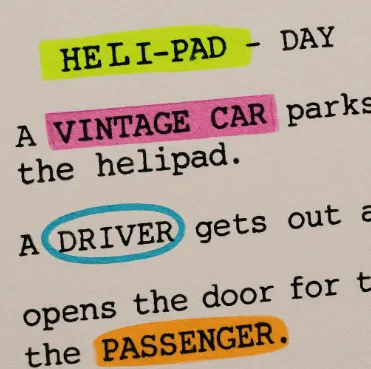
Imagine a director handing you a 120-page story and asking you to circle every single item you need to buy, rent, or build. In the industry, this tedious physical process is called a “Script Breakdown.” Before computers, a film producer would literally read through the pages, using different colored markers to highlight everything that cost money.
Modern software acts as an incredibly fast digital highlighter, scanning the text to identify specific requirements known as “Elements.” Through integrated script tagging and budgeting systems, the computer automatically flags these ingredients scene by scene. These digital tags typically group items into specific categories:
- Characters (speaking roles and background extras)
- Props (objects actors physically touch)
- Vehicles (everything from bicycles to helicopters)
- Special Effects (practical explosions, rain, or CGI fire)
Capturing these details instantly transforms a creative narrative into a structured database, which drastically speeds up accurate project cost estimation. A massive digital list replaces the old stacks of marked-up paper, organizing a chaotic artistic vision into a manageable set of expenses. In addition, this process demonstrates How Software Simplifies Film Cost Estimation by reducing repetitive manual work.
Sorting the Ingredients: Turning Tagged Words into Line Items
Having a massive list of digital tags is a great start, but blindly buying items as they appear in the story guarantees a financial nightmare. A crew could easily rent the same expensive prop multiple times for different scenes. Therefore, someone must organize this chaos to prevent accidental double-spending on set.
That critical responsibility falls to the Line Producer, the logistical mastermind who ensures the director’s vision fits within a real-world budget. They take that massive list of tagged ingredients and start sorting them into logical buckets.
These digital buckets are called “Line Items,” acting as individual rows on a giant, organized receipt. Modern software automatically groups similar tags together, funneling scattered elements into specific production department line items and labor rates. Now, a costume designer sees exactly how many spacesuits are needed for the entire shoot instantly instead of counting them page by page.
Grouping these requirements digitally eliminates waste while automating film production cost calculations. As a result, this software replaces weeks of manual spreadsheet work with perfectly organized categories. With every required item neatly sorted into its proper bucket, the next challenge is attaching an accurate price tag.
Historical Guessing: How Databases Predict the Cost of a Car Chase
Knowing exactly how many spacesuits or prop police cars a script requires is only half the battle. However, the real headache begins when a producer has to figure out how much a massive, explosive car chase will actually cost in today’s economy. In the past, figuring out this price tag meant making educated guesses based on gut feelings and frantic phone calls to vendors.
Today, sophisticated software replaces those panicked assumptions with data-driven estimation. By connecting directly to vast databases of historical data from previous films, the system knows exactly what a similar stunt cost last year. The software immediately highlights location fees, specialized stunt drivers, and vehicle replacements based on real-world receipts.
This digital pricing extends far beyond renting props; it also tracks the hundreds of crew members working behind the scenes. The system automatically pulls in current labor rates for different cities, instantly adjusting the math for local inflation and overtime rules. Because of this, producers effectively minimize financial risks in pre-production before a single camera starts rolling.
Armed with this historical knowledge, filmmakers can instantly test different scenarios to save money without sacrificing the story. They can compare the cost of crashing those cars in Atlanta versus London with a single click. Therefore, How Software Simplifies Film Cost Estimation becomes essential for smarter financial forecasting.
The 'Magic Line': Distinguishing Stars from Support Staff
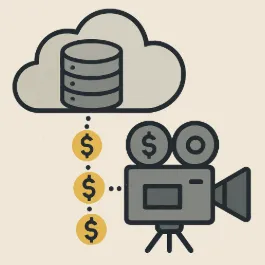
The final cost of a feature film hinges on a crucial accounting boundary simply known as “the line.” In Hollywood, this imaginary threshold separates the visionaries who guide the story from the technical experts who physically make it happen. Budgeting software acts like a digital sorting hat, organizing every single expense into one of two distinct financial buckets.
To perform accurate above-the-line and below-the-line cost analysis, the system categorizes the movie’s budget into two distinct worlds:
- Above-the-Line (ATL): The “Creative” budget. This includes the director, lead actors, and writers. These are typically flat, negotiated fees locked in long before the cameras roll.
- Below-the-Line (BTL): The “Technical” budget. This covers the camera crew, electricians, caterers, and physical props. These costs fluctuate daily based on hourly wages, overtime, or unexpected weather delays.
Managing these two groups requires entirely different strategies. While producers cannot easily swap out a famous lead actor to save money, they can actively manage those flexible BTL expenses. Modern tools allow filmmakers to balance hefty creative salaries against everyday technical costs. Consequently, How Software Simplifies Film Cost Estimation also improves long-term production planning.
The 'What-If' Machine: Simulating London vs. Atlanta
Imagine a director who insists on filming a sci-fi epic in London, but the producer’s wallet is flashing warning signs. Decades ago, testing an alternative location meant spending days erasing and rewriting calculations by hand. Today, software acts as a high-speed prediction engine, revealing the future cost of a movie instantly.
To solve this, modern production offices rely heavily on budget simulation to run endless “what-if” scenarios. Using dynamic film budget templates, producers can tweak just one ingredient in the recipe. The system instantly performs a variable recalculation, automatically adjusting every connected expense across the entire project.
Switching the primary filming location from London to Atlanta demonstrates this magic perfectly. When the producer changes that single city in the software, the digital blueprint instantly updates the cost of flights, local catering, and hotel rooms for a massive technical crew. In turn, it seamlessly transforms a risky financial guess into reliable hard data in seconds.
With the math settled immediately, the creative focus shifts back to the art of storytelling rather than the stress of manual accounting. Relying on real-time collaborative film finance management allows the entire production crew to see these updated numbers simultaneously. Because everyone looks at the exact same financial reality, seamless collaboration becomes much easier.
Collaboration Without Chaos: Why Digital Teams Move Faster
Imagine planning a massive 300-person event where every vendor is constantly tweaking the menu and guest list in separate notebooks. Decades ago, passing around fragmented Excel files created what filmmakers call “Version Hell”—a disaster where the director and producer were suddenly looking at completely different financial totals. Today, utilizing professional film production scheduling and budgeting software eliminates this confusion by moving the entire operation to the cloud.
Instead of emailing messy spreadsheets back and forth, cloud-based platforms act like a giant digital bulletin board everyone views simultaneously. This collaborative shift delivers three crucial benefits to the production office:
- A “Single Source of Truth”: Every crew member accesses the exact same, universally accurate data.
- Instant Updates: When an expensive location is swapped out, the budget updates in real time for all departments.
- Reduced Printing Costs: Endless stacks of revised daily paper ledgers are entirely eliminated.
Because these instant adjustments keep hundreds of staff members perfectly aligned, chaotic miscommunication vanishes. Filmmakers can finally stop hunting down the most recent spreadsheet and start evaluating their specific creative needs.
Choosing the Right Toolbox: From Blockbusters to Bedroom Indies
Building a massive sci-fi blockbuster requires a completely different toolset than shooting a weekend romance film in your backyard. Just as a skyscraper needs heavy construction cranes while a treehouse only needs a basic hammer, filmmakers must choose the right digital platform for their specific scale.
When industry professionals debate Movie Magic Budgeting vs Celtx for cost estimation, they are really comparing a commercial airliner to an agile sports car. Major Hollywood studios use heavy-duty software tiers to track thousands of daily expenses, smoothly managing massive global teams and complex historical price databases.
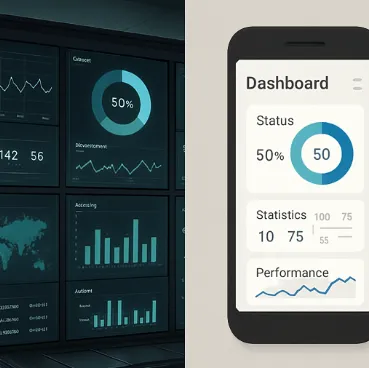
Fortunately, you no longer need a multi-million-dollar studio backing to access this organizational superpower. Independent creators can easily utilize movie budgeting apps that simplify the overwhelming math into intuitive dashboards, automatically calculating costs for everyday items like local props and handfuls of actors.
Ultimately, this technology proves that cinematic magic is not exclusively reserved for Hollywood elites anymore. Whether you are managing fifty customized superhero suits or just buying pizzas for a volunteer camera crew, modern tools empower any storyteller to confidently manage their production.
The Future of the 'Magic' Receipt
You used to look at a blockbuster and see only the explosions, car chases, and star-studded casts. Now, you can see the massive logistical puzzle underneath. You understand how film cost estimation software translates creative sentences into actionable dollar amounts.
The real magic of this technology isn’t just about crunching numbers or organizing massive spreadsheets. It is about protecting the artistic vision. By automating the heavy lifting of categorizing props, locations, and crew members, budget management software gives filmmakers their most valuable resource back: time.
With fewer hours spent calculating costs, directors and producers can focus entirely on the storytelling. Technology gracefully handles the grueling logistics, ensuring the creative team can push boundaries without accidentally bankrupting the production.
The next time you sit in a theater and watch the credits roll, think about the digital tools that brought all those people together. Hollywood magic relies just as much on smart software as it does on imagination.
Simplify Film Budgeting with Studiovity
Modern filmmaking demands more than spreadsheets and manual calculations. Studiovity helps filmmakers turn scripts into production-ready budgets with powerful tools for screenplay writing, AI script breakdown, scheduling, shot listing, storyboarding, and collaborative production management. Whether you are planning an indie short film or managing a large-scale production, Studiovity streamlines the entire pre-production workflow so producers, directors, and crews can estimate costs faster, organize resources efficiently, and stay focused on bringing creative visions to life.