
Cinematographer vs Set Designer vs Assistant Director: Who Does What in Filmmaking?
When you watch a blockbuster, you witness a perfectly polished illusion. Step six feet left of the camera, however, and that magic trick gives way to a bustling crowd. Understanding Film Production Roles helps you recognize how every department contributes to the final frame. Industry practice dictates that while the Director is the visionary architect, they aren’t the only boss on set. Bringing imagination to reality requires specialized Department Heads handling the actual execution.
Think of this process like constructing a custom home. Rather than swinging hammers, the director relies on distinct Film Production Roles for the heavy lifting. One expert physically builds the walls, another paints those rooms with crafted light, and a third manages the strict schedule. Analyzing these leadership dynamics reveals a fascinating division between physical, visual, and logistical tasks.
Looking past the famous actors allows you to finally see the crew’s incredible handiwork. Knowing exactly who handles each detail transforms your next theater visit into an appreciation of masterful teamwork.
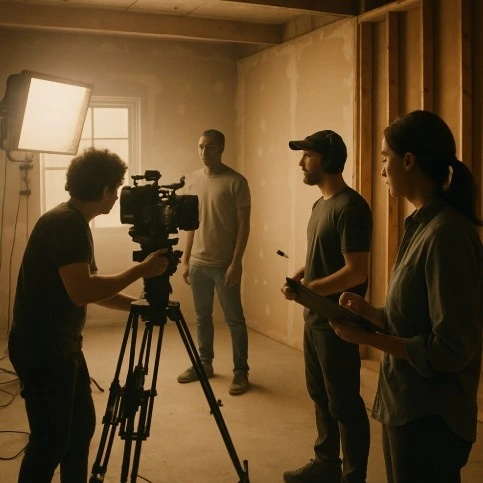
The Set Designer: Building the Physical World Your Favorite Characters Inhabit
You already know that most movie rooms are filmed inside temporary walls on giant soundstages. Before the cameras arrive, someone must turn those bare plywood boxes into a convincing reality, especially if the story demands period accuracy to perfectly mimic a 1920s speakeasy. This separates the physical “stuff” an actor touches from the movie’s overall visual “look.”
The overarching aesthetic begins with the Production Designer acting as the architect. The Set Designer is the builder physically executing that vision on the ground. Together, they manage the crew handling the duties of the art department in film, ensuring the space provides a silent, visual backstory for the characters. These responsibilities remain some of the most important Film Production Roles in any feature film.
Building that tangible world means the Set Designer focuses on a four-item checklist:
- Drafting the physical layout so actors have room to move.
- Choosing the exact wallpaper and paint textures.
- Selecting the heavy furniture that anchors the space.
- Layering “lived-in” props like cluttered desks or scuffed floorboards.
By the time they finish, the room feels authentic even when the stage lights are turned off. The physical environment is fully constructed, setting the perfect foundation for the next crucial artist: the Cinematographer, who will use light and glass to translate the script into mood.
The Cinematographer: Using Light and Glass to Translate Script into Mood
Stepping onto a finished set is only half the battle; the true magic happens when we decide how to look at it. High up in the movie credits, you will see a crucial title: the Director of Photography (DP), also known as the Cinematographer. They act as visual translators, taking the physical room the Set Designer just built and turning it into raw emotion.
Have you ever wondered why an ordinary living room feels terrifying in a horror movie but inviting in a romance? That shift in visual mood relies entirely on lighting. By manipulating where shadows fall, the DP dictates whether you feel safe or scared before anyone speaks a word, mastering essential visual storytelling techniques in cinema.
This job goes far beyond just turning a lens on. While a Camera Operator physically holds the heavy equipment, the DP decides the composition. They choose exactly what fits inside the frame and what remains hidden. Balancing aesthetic desires against practical limits, the DP beautifully frames the physical art while respecting tight schedule windows. These creative decisions define many advanced Film Production Roles on modern sets.
The true role of a director of photography changes how you watch films, transforming simple shadows into deliberate choices. Yet, spending hours tweaking lights burns precious daylight. What happens when the sun sets but the scene isn’t finished? That ticking problem introduces our final key role: the Assistant Director, the engine keeping the art from running out of time.
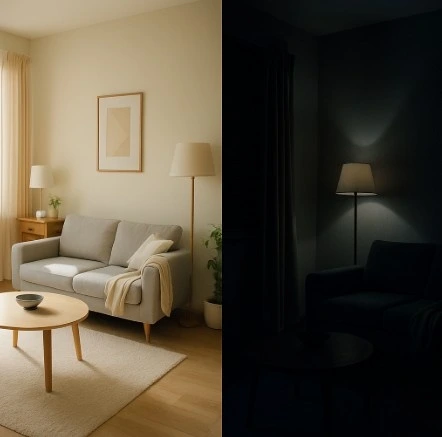
The Assistant Director: The 'Clock' That Keeps the Art from Running Out of Time
When the sun sinks and the Director wants three more takes, the reality of filmmaking hits a wall. This is where the Assistant Director (AD) steps in to take control of logistics management. Despite the title, an AD is rarely a director-in-training waiting for their big break. Instead, they are the ruthless “clock” of the production. If the Director is the artist painting the canvas, the AD is the strict project manager ensuring they don’t run out of time. Their day begins early by distributing the Call Sheet, a master itinerary telling every single crew member exactly where to be and when.
Unlike a facility manager who oversees the physical building, daily assistant director tasks revolve entirely around the shooting schedule. A Second Assistant Director typically wrangles backstage talent, leaving the lead AD to constantly solve high-stakes puzzles on set:
- Racing against losing daylight for a crucial outdoor scene.
- Adjusting plans when actors arrive late from hair and makeup.
- Coordinating 100+ extras safely during a complex stunt.
Ultimately, the most vital responsibilities of an assistant director remain invisible to the audience. You will never see their safety protocols on screen, but without them, production would collapse into chaos. These duties highlight why scheduling and management are essential Film Production Roles within the entertainment industry.
The Collaborative Dance: How Three Departments Build One Single Frame
A seemingly simple shot, a detective standing in a dark, rainy alley, is never an accident. It is a meticulously choreographed illusion. Spotting how film departments collaborate during production requires looking past the actors to focus on the hidden relay race happening just out of frame.
The magic truly begins at the “handoff” between the physical environment and the visual mood. First, the Set Designer builds the tangible reality by laying down fake cobblestones, placing a flickering neon sign, and positioning the overhead rain machines. Then the Cinematographer takes over. By coordinating lighting and production design, the Cinematographer uses that physical water to catch the reflections of strategically placed blue lights, instantly transforming a standard puddle into a moody, dramatic mirror.
While this artistic synergy happens, a very different kind of reality check is ticking away nearby. The Assistant Director monitors the logistics, calculating exactly how many minutes are left before the rain machines run dry or the actor’s mandated break begins. They serve as the engine of the set, managing communication between film departments so the lighting crew and the set builders do not physically trip over each other in the dark. Together, these connected Film Production Roles create a seamless cinematic illusion.
When you watch the final movie, these three distinct efforts vanish into a single, seamless image. This precise teamwork requires an ironclad system of organization. When time runs short, a strict protocol prevents artistic passions from destroying the schedule, leading directly into the complex hierarchy of set leadership.
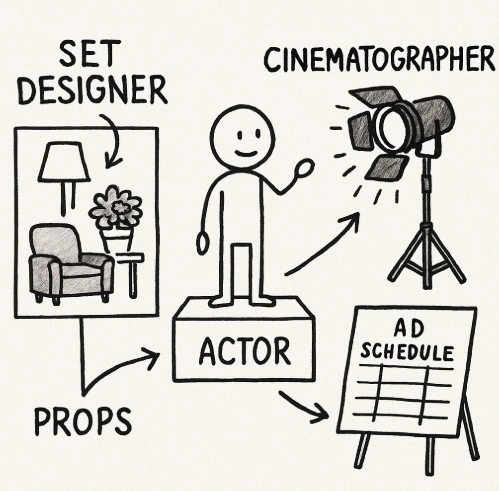
The Film Crew Hierarchy: Navigating the Creative vs. Logistical Chain of Command
Most people assume the Director is the absolute ruler of a set. In reality, a functional production relies on a completely divided kingdom, with two separate power structures constantly negotiating with one another.
If you look at a film crew hierarchy chart, you will notice a distinct split. Creative Authority belongs to the Director and Cinematographer, who act like head chefs deciding the menu’s flavor and presentation. Conversely, Logistical Authority belongs to the Assistant Director. The difference between creative and logistical film roles is simple: creatives dictate what is being made, while logistics managers dictate when and how safely it happens. This balance defines the structure of professional Film Production Roles across every department.
This practical balance gives the Assistant Director the ultimate authority to halt a shot if time runs out or a stunt becomes unsafe, politely overriding even the Director’s artistic ambition. Recognizing how this behind-the-scenes tug-of-war shapes the final picture completely transforms your perspective as an audience member.
Watching Movies Like an Insider: Your New Three-Step Viewing Guide
You no longer have to watch movies as a passive viewer. Recognizing the distinct responsibilities behind the camera transforms you from a casual spectator into an informed observer. Remember our household analogy: the Set Designer builds the house, the Cinematographer paints it with light, and the Assistant Director keeps the entire crew moving before the clock runs out.
Take on this “Insider Challenge” the next time you watch a movie trailer:
- Spot the Set Designer’s details: Look past the actors to see if the background environment feels authentic and lived-in.
- Identify the Cinematographer’s light sources: Notice where the shadows fall and how the colors immediately influence your mood.
- Notice the Assistant Director’s coordination: Watch the background extras in a crowded scene and appreciate the complex logistics required to time their movements perfectly.
Through the combined efforts of these departments, the on-screen illusion becomes a magnificent feat of teamwork. Understanding Film Production Roles gives you a deeper appreciation for every scene you watch. The next time you finish a film, stay for the scrolling credits, look for those three distinct titles, and appreciate the invisible army that safely guides every cinematic magic trick into reality.
Manage Film Production Roles Efficiently with Studiovity
Handling multiple Film Production Roles on a busy set requires clear communication, organized schedules, and seamless collaboration between departments. Studiovity helps filmmakers manage every stage of production from one platform. Whether you are coordinating call sheets, planning shooting schedules, creating shot lists, organizing script breakdowns, or collaborating with crew members, Studiovity keeps your entire production workflow connected. From assistant directors managing timelines to cinematographers planning visual setups and art departments tracking set details, Studiovity simplifies the complex teamwork behind modern filmmaking.