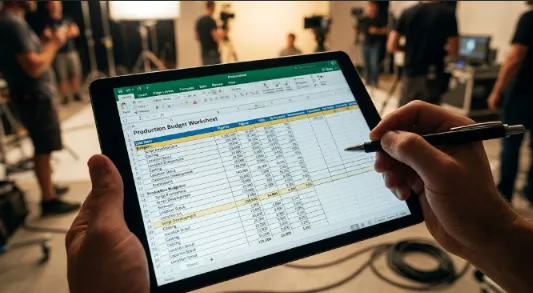
Every successful film starts with a creative vision. However, that vision can only reach the screen when a solid financial plan supports it. A film budget does much more than estimate costs. It guides production decisions, reduces financial risks, and helps every department stay aligned from pre-production to post-production.
Whether you are producing a short film, an independent feature, a commercial, or a large-scale production, understanding how to utilize a professional Film Budget Template will save time, prevent overspending, and improve your chances of delivering the project on schedule.
What Is a Film Budget?
A Film Budget Template serves as a detailed financial document that lists every expected expense throughout the production process. It covers everything from script development and casting to equipment rentals, travel, visual effects, marketing, and distribution preparation.
More importantly, a well-prepared budget allows producers to understand where money goes before production begins. As a result, they can make smarter decisions and avoid unexpected financial surprises.
Why Film Budgets Matter
Many productions run into problems because they underestimate expenses or fail to track spending. Therefore, creating a realistic outline using a Film Budget Template should become one of the first steps in pre-production.
A comprehensive budget helps you:
Allocate resources efficiently.
Secure funding from investors or studios.
Plan shooting schedules around financial limits.
Monitor actual spending during production.
Identify cost-saving opportunities early.
Consequently, the production team gains greater confidence throughout the filmmaking process.
The Main Sections of a Film Budget
Although every production differs, most professional setups utilize a similar Film Budget Template divided into standard categories.
Above-the-Line Costs
These expenses include story rights, producers, directors, writers, and principal cast. Since these positions shape the creative direction, producers usually finalize these costs early.
Below-the-Line Costs
This section includes crew salaries, camera equipment, lighting, grip, art department, wardrobe, makeup, transportation, locations, and production supplies. Because these expenses often represent the largest portion of the budget, careful planning becomes essential.
Post-Production
After filming ends, editors, sound designers, colorists, composers, visual effects artists, and delivery services complete the project. Therefore, producers should never underestimate post-production costs.
Contingency
Unexpected expenses happen on nearly every production. Consequently, many producers reserve around 5% to 10% of the total budget as a contingency fund.
How to Build a Film Budget
The budgeting process becomes much easier when you map everything out within a structured Film Budget Template.
Start by breaking down the screenplay scene by scene. Next, identify every character, location, prop, costume, vehicle, special effect, and production requirement. Then estimate the crew, equipment, and shooting days needed for each scene.
Afterward, gather quotes from vendors, rental houses, crew members, and locations. Compare several estimates whenever possible. As you collect accurate pricing, update each budget category accordingly.
Finally, review the entire budget with department heads before production begins. Their feedback often reveals missing expenses that could affect the final numbers.
Common Budgeting Mistakes
Even experienced filmmakers occasionally overlook important details. Fortunately, avoiding a few common mistakes can make a significant difference.
Many productions fail because they ignore overtime costs, insurance, permits, travel expenses, weather delays, or equipment damage. Likewise, some producers focus only on production while forgetting post-production and delivery costs.
Since rental rates and labor costs change frequently, always verify current estimates before locking your Film Budget Template.
How Technology Simplifies Film Budgeting
Modern production software has transformed the budgeting process. Instead of maintaining complicated spreadsheets, filmmakers can now build a professional Film Budget Template using dedicated production management platforms.
Many budgeting tools connect directly with script breakdowns, shooting schedules, and call sheets. As a result, changes made during pre-production automatically update related production data. This integration reduces manual work while improving overall accuracy.
Cloud-based software also allows producers, production accountants, assistant directors, and department heads to collaborate in real time. Consequently, everyone works from the latest version of the budget without exchanging countless spreadsheet files.
Tips for Keeping Your Budget Under Control
Managing costs requires continuous attention throughout production. Consider these practical strategies:
Track expenses every day instead of waiting until the end of the shoot.
Review budget reports with department heads regularly.
Prioritize essential spending before optional purchases.
Build a contingency reserve for unexpected situations.
Update the budget whenever production plans change.
Small adjustments made early often prevent major financial problems later.
Final Thoughts
Crafting a professional film budget requires careful planning, accurate research, and continuous monitoring. While creativity drives filmmaking, financial discipline keeps productions moving forward. Therefore, producers who invest time in budgeting often avoid delays, reduce unnecessary expenses, and deliver stronger projects.
As filmmaking continues to evolve, digital budgeting software makes the entire process faster, more collaborative, and far more accurate. Whether you are planning your first independent film or managing a complex studio production, a detailed Film Budget Template remains one of the most valuable tools for turning a script into a completed film.