
Think of a favorite movie moment, like the tense, neon-drenched alleys in Blade Runner. That atmosphere wasn’t accidental. While directors guide the overall story, the Director of Photography (DP) acts as the production’s eyes, translating written words into visual emotion. Fans sometimes debate director of photography vs cinematographer roles, but they describe the same master of light. Essential Cinematography Skills help filmmakers shape emotion, guide the audience, and create unforgettable visual storytelling.
In practice, visual literacy separates mere recording from intentional storytelling. According to standard film theory, amateurs treat a camera like a window and simply document reality. A skilled DP treats the screen like a canvas and paints with shadows to craft a specific mood. Mastering this blend of art and physics is one of the most important Essential Cinematography Skills for anyone aiming to succeed in the film industry.
Why Lighting Techniques for Visual Storytelling Transcend 'Seeing' the Actors
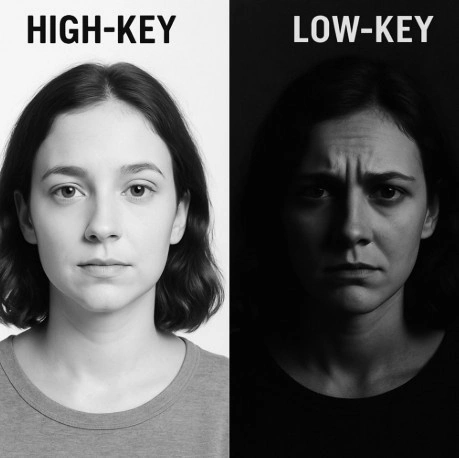
Lighting instantly tells viewers if a movie scene feels safe or dangerous. Using lighting techniques for visual storytelling goes far beyond illuminating the set. It defines the emotional atmosphere. Cinematographers achieve this through three essential lighting setups:
- High-key lighting: Bright, even light with very few shadows. This style makes comedies and romances feel joyful.
- Low-key lighting: Shadow-heavy and high-contrast setups designed to build tension in mysteries and thrillers.
- Motivated lighting: Hidden movie lights mimic real-world sources visible on screen, like neon signs or desk lamps.
Differentiating between natural and artificial lighting setups resembles choosing between real sunlight and building a mood entirely with studio lamps. Another one of the Essential Cinematography Skills involves mastering color temperature. Filmmakers use icy blue tones to create sterile spaces, while warm golden hues make scenes feel nostalgic and emotional.
Once the mood is established with light and shadow, the audience perspective becomes the next major decision. Translating atmosphere into a polished image requires mastering camera movement and framing.
Mastering Camera Movement and Framing: How Lens Choice Manipulates Human Perspective
Have you noticed why a vast desert scene feels isolating while a dinner conversation feels intensely personal? The answer lies in lens focal length and depth of field. Focal length does more than affect optics. It controls how emotionally close the audience feels to the characters.
Arranging subjects within the frame changes completely depending on lens choice. Professionals rely on three primary perspectives to shape emotional reactions:
- Wide-angle lenses: Expand visible space and create grandeur or isolation.
- Long lenses: Compress backgrounds and make conversations feel intimate.
- Macro lenses: Capture extreme detail and transform ordinary objects into major story elements.
Pairing these techniques with a shallow depth of field keeps the subject sharp while blurring the background. This method directs viewers exactly where the cinematographer wants them to focus. Developing this visual control remains one of the core Essential Cinematography Skills every filmmaker should practice.
After establishing perspective with deliberate camera angles, motion becomes the next creative tool. While sweeping movement adds energy, skilled camera operators understand when movement enhances the story instead of distracting from it. Turning these artistic choices into reality requires technical knowledge as well.
Bridging the Gap Between Art and Gear: Technical Proficiency with Digital Equipment
Creating cinematic visuals requires detailed planning before filming begins. The foundation of technical expertise starts with a script breakdown for visual planning. This pre-production process transforms written scenes into a practical list of visual requirements. If a script calls for a “spooky basement,” the cinematographer decides which lights, lenses, and shadows will create that feeling on screen.
Once production begins, artistic planning meets real-world execution. Translating visual ideas into final footage requires mastering several technical fundamentals:
- Exposure Mastery (T-stops): T-stops measure the exact light passing through a lens and help maintain visual consistency.
- Digital Sensor Knowledge: Understanding how sensors capture light prevents footage from looking flat or washed out.
- DIT/Software Workflows: Digital cinematography software helps crews organize, back up, and color-correct footage directly on set.
Technical mastery forms another major part of Essential Cinematography Skills because modern productions rely heavily on digital workflows and precision. However, operating equipment alone is not enough. Leading a crew under pressure requires strong communication and collaboration.
Leading from Behind the Lens: Why On-Set Communication and Collaboration Define Success
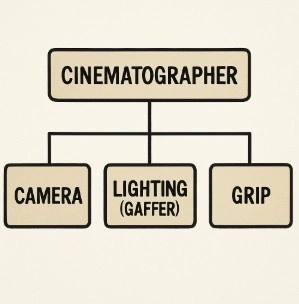
Imagine a film set as a busy construction site. The Director acts as the architect, while the Cinematographer leads the visual execution. Learning how to collaborate with film directors requires balancing creative goals with strict production schedules. Cinematographers do more than adjust lenses. They guide departments and coordinate teams to bring a shared vision to life.
Strong leadership and communication skills depend on three important pillars:
- Guiding Lighting and Rigging: Gaffers and Key Grips require clear instructions to safely build the desired atmosphere.
- Managing the Camera Hierarchy: Operators and focus pullers need unified direction to maintain consistency.
- Balancing Creativity and Budget: Smart cinematographers know when a creative lighting setup can replace an expensive shot.
Among all Essential Cinematography Skills, leadership often separates good cinematographers from great ones. Inspiring a team while maintaining artistic quality is critical for success on professional productions.
Your Roadmap to the Big Screen: Launching Your Career with a Powerful Portfolio
A Director of Photography combines artistic creativity with technical precision. The ultimate goal is not simply capturing beautiful images. Strong cinematography creates visual cohesion, where every frame supports the emotional story.
To strengthen your Essential Cinematography Skills, start applying these principles immediately. Build a portfolio that focuses on mood, storytelling, and composition instead of expensive equipment. Use your reel to pursue entry-level camera assistant opportunities and network on local productions. Grab any camera available, practice using light and lenses intentionally, and continue refining your artistic eye.
Consistent practice, collaboration, and experimentation will sharpen your Essential Cinematography Skills over time. Every project becomes another opportunity to improve visual storytelling and grow within the film industry.
Master Your Cinematography Workflow with Studiovity
Building strong cinematography skills requires more than creativity behind the camera. Modern filmmakers also need efficient planning, collaboration, and production management tools. Studiovity helps cinematographers, directors, and production teams streamline every stage of filmmaking, from screenplay development to shot listing, scheduling, storyboarding, and call sheets. Whether you are planning complex lighting setups, organizing camera movements, or collaborating with your crew, Studiovity provides an all-in-one platform to keep your production visually organized and production-ready. For filmmakers looking to improve their workflow alongside their Essential Cinematography Skills, Studiovity offers the tools needed to bring cinematic visions to life more efficiently.