
AI in Filmmaking: The Complete Guide to Pre-Production Automation
What if the most grueling part of creating a Hollywood blockbuster happens months before anyone shouts “Action”? Before a camera ever rolls on a bustling movie set, producers have already climbed an immense mountain of paperwork. This invisible phase, known as pre-production, forms the essential backbone of every cinematic story. Today, AI in Filmmaking gives creative teams faster ways to manage this demanding process.
Think of this stage like hosting a massive dinner party; long before you start cooking, you must write the grocery list, chop the vegetables, and meticulously measure the spices. In the movie world, this prep work translates to three major time-sinks: breaking down a 120-page script to identify every prop, building massive budgets, and constantly reshuffling complex shooting schedules. Historically, this administrative burden forces brilliant creatives to stare at spreadsheets rather than dream up breathtaking visuals.
Today, modern filmmaking technology is fundamentally changing this dynamic. In practice, AI in Filmmaking acts as an invisible digital assistant rather than an artificial director taking over the creative reins. These new tools work like a super-reader that can scan a massive script in seconds, instantly identifying exactly how many flipped cars or background actors are needed for a crucial action sequence.
Industry data reveals that these remarkable efficiency gains are doing much more than just saving studio money. By clearing the path of tedious administrative hurdles during film prep, directors finally have the freedom to shift their focus away from logistical roadblocks and pour their energy directly into their artistic vision.
Turning a 120-Page Script into a Shopping List in Seconds
When humans read a screenplay, they naturally focus on the drama and emotion of the story. However, production crews must also read it for logistics, performing a “script breakdown“—the tedious process of going through every page with highlighters to identify every physical item required to actually film the scene.
Think of modern software as a super-reader that finishes this task instantly. Learning how to use AI for script breakdowns shifts this grueling chore to an invisible digital assistant. AI-driven script analysis for film producers scans the text looking for patterns, acting like an eagle-eyed project manager that instantly converts narrative descriptions into an organized shopping list.
Using Natural Language Processing for screenplays, the software understands the context of a scene rather than just blindly hunting for words. In mere seconds, the AI reads the entire document to identify and categorize five crucial production elements:
- Props (like a specific vintage pocket watch)
- Characters (including speaking roles and background extras)
- Locations (such as an abandoned downtown warehouse)
- Vehicles (like a customized getaway car)
- Special effects (like a sudden rainstorm or an explosion)
By automating this foundational step, filmmakers save up to 80% of the time usually spent on manual logging and reduce human error by 40%, ensuring a missing prop never delays a costly shoot. With the logistical paperwork instantly organized, human creators are freed up to focus entirely on visual storytelling. Now that the physical ingredients are neatly listed, the next challenge is visualizing the scene, bringing us to sketching at the speed of thought: how AI storyboards replace weeks of illustration.
Sketching at the Speed of Thought: How AI Storyboards Replace Weeks of Illustration
Every great movie begins as a blueprint, with directors traditionally relying on hand-drawn storyboards to show the crew what to film. Yet, explaining a sweeping sci-fi battle to a sketch artist often creates a frustrating “translation gap.” Weeks are spent revising just to get the lighting right before anyone even touches a camera.
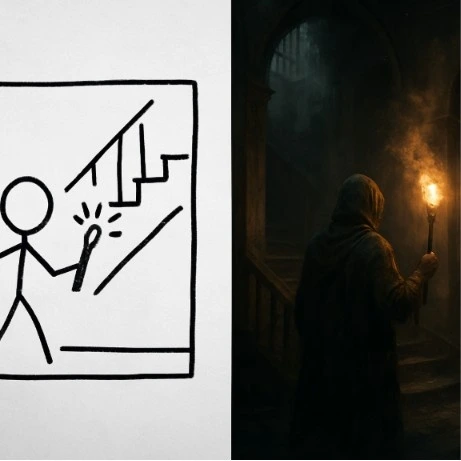
Modern generative AI acts as a tireless, lightning-fast sketch artist. Instead of waiting days for a hand-drawn sequence, a filmmaker simply describes the scene’s mood, camera angle, and lighting directly into the system.
Instantly, the computer generates a dozen polished cinematic options to choose from. This technique, known as generative pre-visualization, represents a massive leap forward when evaluating generative AI vs traditional storyboarding. Rather than settling for rough pencil sketches, the creative team evaluates highly realistic frames capturing the exact atmosphere of the final movie.
Slashing the cost of high-fidelity pre-visualization changes who gets to pitch Hollywood-quality ideas. Independent creators are already improving visual development with AI image generation, allowing them to master rapid visual prototyping on a fraction of a studio budget. They can rebuild a complex blockbuster action sequence in an afternoon, ensuring everyone knows exactly what the final shot looks like.
With the visual blueprint perfectly mapped out, the creative heavy-lifting of pre-production finishes, leaving only the complex reality of managing time and money. Once the crew has their guide, the production needs a foolproof logistical plan to finish filming without going bankrupt. That brings us to the next hurdle: building a “GPS” for your set to eliminate scheduling nightmares and budget overruns.
The 'GPS' for Your Set: Eliminating Scheduling Nightmares and Budget Overruns
What if the most expensive part of a movie wasn’t the explosions, but the time spent waiting around? A professional film set is a massive, ticking clock where a single rainstorm can trigger a $50,000-per-day cost in production delays. Traditionally, when bad weather hits, human producers scramble with whiteboards and spreadsheets to figure out what to shoot instead. It is a stressful puzzle where one wrong move rapidly drains the budget.
To solve this, modern studios are turning to automated film production scheduling software, which acts like a highly intelligent GPS for the entire project. Instead of just writing a static to-do list, this tool constantly monitors the logistical “traffic” of the shoot. If an unexpected roadblock happens, the system calculates a detour in seconds, reducing film budget errors with AI by catching costly overlaps before anyone even steps on set.
When a delay inevitably strikes, this digital assistant immediately reroutes the production schedule through three critical steps:
- Shuffling scenes: Instantly finding indoor sequences that can be filmed while it rains outside.
- Grouping locations: Ensuring the crew doesn’t waste precious hours driving back and forth across town.
- Maximizing actor hours: Reorganizing the day so expensive talent isn’t sitting in a trailer doing nothing.
These incredible efficiency gains in film prep mean producers spend less time putting out logistical fires and more time supporting the director’s vision. Furthermore, AI in Filmmaking helps teams react faster to unexpected production changes. With the weather conquered and the daily schedule perfectly locked, the team can finally focus on filling those scenes with the perfect talent. After all, a flawless schedule means nothing without the right faces on screen, bringing us to the power of data-driven star power: how machine learning finds the right actors for your story.
Data-Driven Star Power: How Machine Learning Finds the Right Actors for Your Story
Finding the perfect lead actor used to mean sitting in a stuffy room for weeks, watching hundreds of hopefuls read the exact same lines. Today, finding that singular spark has shifted from overflowing binders to smart digital databases. By streamlining casting calls using machine learning, casting directors instantly bridge the gap between their local audition room and a massive global talent pool.
Think of this technology as a hyper-observant digital scout. Instead of manually flipping through headshots, a director can request a “gritty, 1920s detective with a weary smile,” and the system scans thousands of portfolios in seconds. These algorithmic casting recommendations look beyond basic resume details to actually identify the specific visual vibe needed for a complex character.
Beyond matching physical traits, this software analyzes past performance styles and audience engagement data to uncover hidden gems. A relatively unknown actor with the perfect emotional cadence can suddenly jump to the top of the pile. Remarkably, some of the best AI tools for independent filmmakers are currently used to discover these affordable, rising stars, allowing smaller movies to cast with blockbuster precision.
Ultimately, computers aren’t making the final creative choice; they simply hand the director a vastly superior menu of options. With the perfect cast finally assembled and ready to bring the script to life, the production team faces its next massive hurdle: finding a place to put them. Just as technology searches the world for the right face, it can also build the perfect backdrop, leading us into scouting the globe from your desk using virtual environments and AI location logic.
Scouting the Globe from Your Desk: Virtual Environments and AI Location Logic
Imagine trying to find a perfectly abandoned gothic mansion just hours after casting your lead actor. In the past, location managers racked up massive airline bills while traveling around the world to inspect physical spaces. Today, virtual location scouting with generative AI lets directors explore the globe directly from a laptop, cutting initial travel costs by up to 60%. In addition, this technology easily discovers “impossible” backdrops that perfectly match a specific creative vision without anyone leaving the studio.

Once the geographic coordinates are locked in, the system acts like a time-traveling weather app for modern filmmaking technology. It does not just find an interesting street corner; instead, it uses predictive lighting analysis to show exactly how the sun will hit a specific brick building at 4 PM in late November. As a result, production teams no longer need to cross their fingers and hope for good weather because they can essentially preview the future before the cameras even arrive.
Beyond just aesthetics, incorporating AI in filmmaking solves the notoriously complex logistical headaches of securing these spaces. Moreover, a reliable AI-assisted location scouting checklist instantly evaluates several hidden hurdles at once:
- Lighting patterns: Matching natural sunlight shifts directly to the daily shooting schedule.
- Permit availability: Cross-referencing local city restrictions before a director falls in love with a spot.
- Accessibility: Ensuring a massive crew and heavy equipment can physically reach the site.
Ultimately, securing the cast and geography digitally allows creators to bypass months of exhausting groundwork. Furthermore, the real magic happens when these individual tools unite seamlessly. With the foundation laid, the next logical step is pulling everything together into a cohesive workflow.
Future-Proofing Your Film: A 3-Step Plan to Integrate AI into Your Creative Workflow
AI is not replacing traditional film pre-production. Instead, it acts as a tireless creative co-pilot, shouldering the heavy logistical burden so filmmakers can focus on the art of storytelling.
When integrating AI into your film workflow, the secret lies in taking a progressive approach rather than attempting an overnight overhaul. First, start by running your script through an automated breakdown tool to see how quickly it identifies every required prop, actor, and location. Next, experiment with a generative AI sketch artist to build storyboards and explore visual ideas instantly. Finally, let the software act as your production GPS, mapping out complex shooting schedules that automatically adapt to sudden delays or location changes.
This approach allows filmmakers to build a true hybrid workflow that perfectly balances cutting-edge filmmaking technology with human intuition. Additionally, creators can seamlessly choose the right tools for their budget level, whether planning an indie passion project or a massive studio feature. The ultimate goal is to let artificial intelligence handle the cold logic of production while humans supply the emotional magic. As a result, filmmakers maintain complete creative control while benefiting from an incredibly efficient workflow.
The next time you sit down with a blank page and a cinematic dream, remember that you no longer need to fear the logistical hurdles of bringing it to life. Every time a tedious scheduling puzzle is handed over to a digital assistant, more precious hours become available for actors, cameras, and storytelling. By embracing these tools, filmmakers simply clear away distractions so their best ideas can finally take center stage.
Studiovity AI: Simplifying the Future of Film Pre-Production
As AI continues to transform modern filmmaking, platforms like Studiovity are helping creators turn complex pre-production workflows into a faster, smarter, and more collaborative experience. From AI-powered script breakdowns and intelligent scheduling to storyboarding, shot lists, budgeting, and call sheets, Studiovity brings every stage of film planning into one connected workspace. Instead of spending countless hours managing spreadsheets and logistics, filmmakers can focus on creativity, storytelling, and production quality. Whether you are developing an independent short film or preparing a large-scale studio production, Studiovity AI helps streamline the entire filmmaking journey from script to screen.