
AI in Filmmaking From Scriptwriting to Film Scheduling Explained
Imagine if a screenwriter had a tireless library assistant who had read every script ever produced and could summarize them in seconds. That assistant isn’t a person—it’s the new reality of AI in filmmaking. According to industry observers, this technology acts as a high-speed brainstorming partner rather than a replacement for human imagination. Instead of stealing jobs, it generates dozens of rough ideas so a writer can quickly find that one brilliant spark.
While crafting the story relies on Generative AI to create fresh content, getting a movie made introduces a completely different tool known as Predictive AI. We see glamorous actors on screen, but behind the scenes, organizing a massive crew requires coordinating hundreds of moving parts. Just as a smartphone’s GPS calculates the fastest route through heavy traffic, Predictive AI solves the giant jigsaw puzzle of production logistics. In practice, this software instantly figures out how to shoot fifty scenes across multiple locations without wasting weeks of time or millions of dollars.
Does this mean the traditional human touch is disappearing from our favorite blockbusters? Not at all. The true goal is letting machines handle the exhausting math so directors can focus on the art. This digital shift impacts everything from the first drafted page to the final release date, uncovering Hollywood’s modern secrets and the incredible efficiency gains reshaping cinema.
Beyond the Blank Page: How AI Screenplay Tools Turn Ideas Into Structures
Many movie fans wonder, can artificial intelligence create a complete movie script? The reality is that the technology is not replacing the human touch; rather, it serves as an advanced structural guide. Just as a standard word processor catches typos, modern AI screenplay analysis tools for writers catch structural mistakes. Think of it as a dedicated analytical engine that has studied thousands of successful films to instantly review your rough draft.
Rather than writing the actual scenes, this software performs the analytical heavy lifting behind the scenes. By scanning hundreds of pages in seconds, the system provides immediate feedback through three specific tasks:
- Pacing analysis: It flags “boring” sections where the story’s momentum stalls or scenes drag on for too long.
- Dialogue balance: It tracks character interactions, instantly calculating metrics like the Bechdel Test to ensure female characters have meaningful conversations.
- Automated script breakdown: It extracts every necessary prop, character, and location, turning creative prose into a logistical digital blueprint.
Writers maintain total creative control, using these algorithmic insights to polish their narratives before any actors are hired. Once the words are locked in and the story’s rhythm feels perfect, the production team faces its next major hurdle. They must translate those written pages into early visual concepts, a process that is rapidly skipping the sketchpad: visualizing scenes instantly with generative storyboarding.
Skipping the Sketchpad: Visualizing Scenes Instantly with Generative Storyboarding
Before a single camera rolls, directors must show everyone what a scene should look like. Traditionally, this meant relying on hand-drawn storyboards to bridge the gap between a director’s vision and the crew’s execution. Today, filmmakers use pre-visualization—or “pre-viz”—as digital blueprints. By typing text into generative AI programs, creators instantly produce detailed images capturing the exact lighting and camera angles they want.
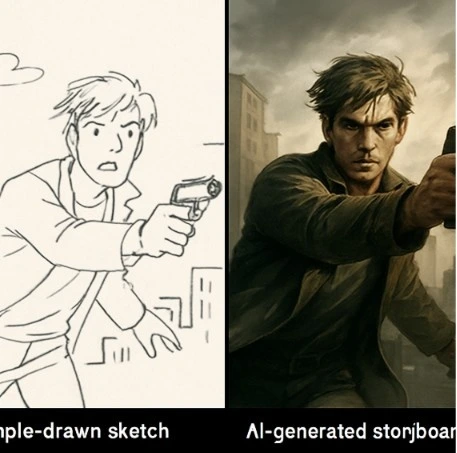
Learning how to use AI for movie storyboarding levels the playing field for smaller productions. Instead of spending thousands of dollars on specialized concept artists, independent directors can act as their own visual designers. Generative video tools for indie filmmakers even allow them to create animated rough drafts of complex sequences, visualizing tricky camera movements without needing expensive software or a massive Hollywood budget.
Once the creative team can clearly see the movie they are making, the focus shifts from art to pure logistics. Transforming those beautiful digital sketches into a physical reality requires organizing hundreds of crew members, managing actors, and securing locations. Moving from the visual playground to the actual film set is a massive logistical puzzle, requiring a powerful new digital GPS to keep the entire production on track.
Solving the 1,000-Piece Puzzle: How AI GPS-Schedules Your Film Set
We see the finished movie, but behind the scenes, organizing a film set is like planning a massive, multi-city wedding while predicting the weather. Traditionally, crews spent weeks buried in spreadsheets to calculate the best shooting order. Today, streamlining pre-production logistics with AI scheduling software acts like a digital GPS for filmmakers. Just as your phone instantly reroutes you around a traffic jam, this technology calculates the absolute fastest, most cost-effective path to shoot the project.
Instead of a human juggling these moving pieces, the algorithm absorbs the project’s data and outputs an optimized daily plan, generating automated call sheets—the detailed daily schedule given to the crew—in seconds. To do this without making mistakes, the system instantly balances a complex list of variables:
- Actor availability and required rest periods
- Exact sunset times for outdoor scenes
- Equipment rental dates and location permits
Automating film budget breakdown with machine learning means if it suddenly rains on a Tuesday, the software instantly re-shuffles the next month of filming to prevent costly delays.
Solving this puzzle digitally keeps massive productions on budget and protects the crew’s sanity. With the physical logistics running smoothly, directors can turn their attention back to the actors in front of the lens. Sometimes, that means using entirely new technologies to make sure those stars look exactly as they did thirty years ago.
The Digital Fountain of Youth: Deepfakes and Neural Rendering for Realistic Visuals
When iconic stars reprise classic roles decades later, audiences expect them to look the part. Historically, achieving this meant heavy makeup or painstakingly building computer-generated 3D models from scratch. Today, AI vs traditional visual effects workflows look entirely different. Through neural rendering, software studies massive digital libraries of an actor’s past performances. Instead of building a 3D puppet, the algorithm acts like a digital makeup artist, seamlessly “painting” a younger face directly over the footage.
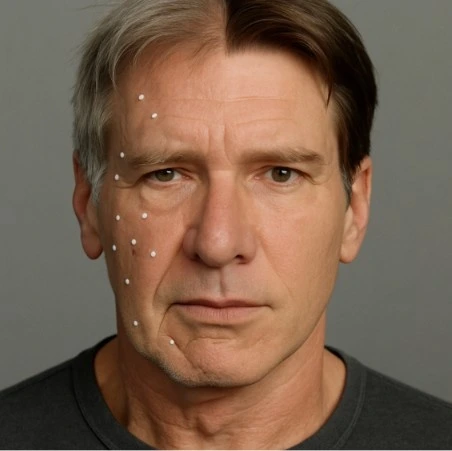
Beyond turning back the clock, this tool revolutionizes how action sequences are filmed. Directors utilize deepfake technology for actor de-aging and digital doubles to make perilous stunts safer. Previously, human artists spent weeks performing frame-by-frame masking—manually cutting out a stunt double’s face in every picture to paste the lead actor’s face on top. Now, AI automatically swaps faces in minutes, ensuring a perfect illusion without risking the star’s safety.
Utilizing neural rendering in cinematic virtual production fundamentally shifts the boundaries of what is visually possible. However, the magic doesn’t end when the cameras stop rolling. Once the brilliant effects and high-octane stunts are stored on hard drives, the massive task of piecing the story together begins, bringing us to editing at warp speed, where algorithms fix continuity and color in minutes.
Editing at Warp Speed: How AI Fixes Continuity and Color in Minutes
Have you ever noticed a wristwatch magically disappear between camera cuts in a movie? Historically, editors manually reviewed hundreds of hours of footage, making it easy to miss small mistakes. Today, algorithms act as tireless digital assistants, solving continuity errors using computer vision. Instead of a person squinting at a monitor to ensure an actor holds a coffee cup in the exact same hand across different takes, the software automatically scans every frame and highlights inconsistencies in seconds.
This high-speed sorting is about fundamentally enhancing post-production efficiency with AI video editing. Rather than replacing human creativity, these tools handle the tedious heavy lifting so editors can focus on the story. The technology now routinely automates a checklist of once-exhausting tasks:
- Finding best takes: Scanning actor faces to flag the most emotional performances.
- Isolating dialogue: Separating quiet whispers from the roar of background traffic.
- Matching visuals: Aligning brightness levels across different cameras automatically.
Giving a film its final polish used to take weeks of manual adjustments. Now, studios deploy machine learning for automated color grading and sound design, treating these algorithms like smart filters that instantly match the moody tones or crisp audio of a reference scene. Once the movie is beautifully cut and ready for audiences, a new challenge arises. How do studios know people will actually buy tickets? That answer lies in predictive data science.
Predicting the Next Blockbuster: How Data Science Decides What You Watch
Even a beautifully edited movie is a massive financial gamble. Before a single camera rolls, executives face the terrifying choice of spending millions of dollars on a script. Today, they rely on a digital crystal ball. By analyzing decades of box office results and economic trends, algorithms can predict a film’s potential profit. This data science removes much of the guesswork from “greenlighting”—the final industry approval to make a movie—by treating past successes as a mathematical recipe.
When that approved film finally needs an audience, the marketing becomes uniquely tailored to specific viewer interests. Using predictive audience analytics for film distribution, software scans social media for audience sentiment mapping, essentially reading the internet’s digital mood. If data reveals viewers currently prefer escapist comedies over gritty dramas, studios quickly adjust their strategy. They may release a fast-paced trailer for teenagers on mobile platforms while presenting a slower, story-driven advertisement to adults watching television.
Because these analytical systems strongly favor guaranteed returns, familiar genres like action sequels continue to dominate theaters. While modern AI filmmaking tools excel at calculating ticket sales and reducing financial risk, they still cannot measure a story’s emotional depth. As machines take a larger role in deciding which scripts survive, an important question emerges. Can algorithms truly understand the emotional magic of cinema, or must filmmakers carefully balance AI ethics and creativity to protect the human heart of storytelling?
The Human Heart in a Digital World: Navigating AI Ethics and Creativity
Headlines constantly warn about computers replacing human jobs, and Hollywood has become a major center for this debate. While algorithms efficiently predict box office success, the ethical concerns surrounding AI in the film industry continue to spark intense discussions. Today, the major debates focus on three key issues:
- Digital likeness rights: Can studios scan an actor’s face and use a digital double forever without additional compensation?
- Algorithmic bias in casting: Will software reviewing auditions unfairly favor historically common appearances instead of diverse talent?
- Job displacement: Are background actors and junior writers at risk of losing opportunities to automated systems?
Despite these concerns, filmmaking still depends on human emotion and creativity. Think of artificial intelligence as an advanced paintbrush rather than the painter itself. The benefits of virtual production technology allow directors to sketch massive digital worlds before building expensive physical sets. As a result, creators can focus more on storytelling and artistic vision. A director’s unique perspective remains essential because a machine cannot genuinely feel heartbreak, joy, or sacrifice.
To balance innovation with creativity, the entertainment industry is actively establishing new safeguards. Recent union agreements now protect human workers from being blindly replaced by code. As filmmakers continue navigating these evolving tools, the way audiences experience movies is fundamentally changing.
Your Front-Row Seat to the Future of Film
After tracing this technological journey from script to screen, you can now recognize the invisible systems shaping modern cinema. These digital assistants compress months of exhausting logistical work into days. In addition, they save time, reduce production costs, and help crews operate more efficiently.
Despite this technological transformation, the heart of every great movie remains deeply human. While AI filmmaking tools can brainstorm concepts or reroute production schedules around sudden weather changes, they cannot feel a character’s emotional sacrifice. The timeless “Hero’s Journey” still depends on human storytellers who understand emotion, conflict, and meaning. AI simply manages the repetitive heavy lifting so writers and directors can focus on creativity.
The next time you watch a film, stay through the end credits and notice the growing presence of digital production systems. You are witnessing a major shift in independent filmmaking, where creators can increasingly achieve blockbuster-quality results outside traditional studio systems. Cinema’s magic is not being replaced by machines. Instead, the tools required to create that magic are becoming more accessible to passionate storytellers around the world.
How Studiovity AI Supports the Future of Filmmaking
As AI in Filmmaking continues to transform the entertainment industry, creators need tools that simplify production without limiting creativity. Studiovity brings together screenplay writing, AI-powered script breakdowns, scheduling, budgeting, shot listing, storyboarding, and call sheet management into one streamlined production platform. Instead of juggling multiple disconnected tools, filmmakers can manage the entire pre-production workflow from a single workspace.
From independent creators to professional production teams, Studiovity AI helps filmmakers save time, reduce manual work, and organize complex productions more efficiently. Whether you are developing a screenplay, planning a shooting schedule, generating AI storyboards, or managing production logistics, the platform is designed to help storytellers focus more on creativity and less on repetitive coordination tasks.