
Every unforgettable story leaves its audience with more than exciting action or memorable dialogue. The best stories take readers and viewers on an emotional journey through the eyes of a character who changes over time. When the question of what is a Bildungsroman is considered, this process of growth sits at the heart of a storytelling genre that has shaped literature and cinema for centuries.
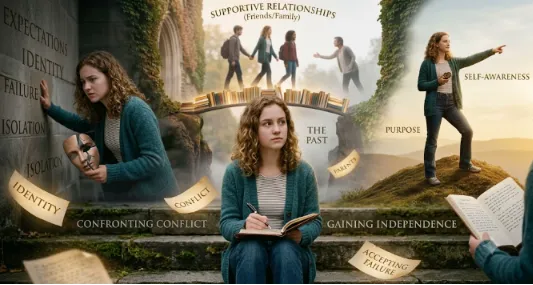
A bildungsroman follows a protagonist as they mature emotionally, psychologically, and morally. Rather than focusing only on external adventures, the story explores how experiences transform the character’s identity, beliefs, and understanding of the world. Every challenge, relationship, and setback becomes part of their personal education. By the end of the journey, the protagonist emerges with greater self-awareness and a clearer sense of purpose.
Although the term originated in German literature, the concept has become one of the most recognizable narrative structures in novels, television, and film. Many award-winning movies revolve around characters who struggle with identity, family, friendship, ambition, or loss before ultimately discovering who they are. Because these stories reflect universal human experiences, audiences continue to connect with them across generations.
For screenwriters and filmmakers, understanding the bildungsroman offers valuable insight into character development. Strong visual storytelling often begins with a compelling emotional arc, and this genre provides one of the clearest frameworks for building that transformation.

Bildungsroman Meaning
To fully clarify what is a Bildungsroman, the word combines two German words. “Bildung” refers to education, formation, or personal development, while “Roman” means novel. Together, they describe a novel centered on an individual’s growth from youth to maturity. Over time, however, writers and filmmakers expanded the definition beyond literature. Today, the term applies to any story in which personal development becomes the central focus, regardless of whether the medium is a novel, television series, or feature film.
Unlike stories driven primarily by action, mystery, or romance, a bildungsroman places emotional growth at the center of every major event. The external plot still matters, but its primary purpose is to challenge the protagonist’s beliefs and force meaningful change. Every obstacle contributes to the character’s evolution, making internal transformation more important than external success.
This focus on character explains why the genre remains popular in modern filmmaking. Audiences often remember a film not because of spectacular visuals but because they witnessed a believable personal journey that reflected their own experiences.
The Essential Characteristics of a Bildungsroman
Most bildungsroman stories begin with a young protagonist who feels uncertain about their identity or place in society. They may struggle with family expectations, friendships, education, or personal ambition. At the beginning of the story, they rarely possess the confidence or wisdom needed to overcome life’s challenges. Instead, they learn gradually through experience.
As the narrative unfolds, each obstacle teaches the protagonist something valuable. Some lessons arrive through success, while others emerge from failure, disappointment, or heartbreak. Relationships play an equally important role. Parents, teachers, mentors, friends, rivals, and romantic partners all influence the protagonist’s understanding of themselves. These interactions shape their beliefs and encourage emotional maturity.
The story eventually reaches a turning point where the protagonist must confront their greatest internal conflict. Rather than relying on someone else for answers, they make a decision based on the lessons they have learned throughout the journey. This moment represents true personal growth and leads to a satisfying emotional conclusion.
Importantly, a bildungsroman does not require a perfect ending. The protagonist may still face uncertainty or future challenges. However, they possess greater confidence, wisdom, and self-awareness than when the story began. That transformation defines the genre and gives the narrative its lasting emotional impact.
Bildungsroman vs. Coming-of-Age Stories
Many people assume that every coming-of-age story is a bildungsroman, but the two concepts are not completely identical. A coming-of-age story usually focuses on the transition from childhood into adulthood. It often highlights milestones such as graduation, first love, independence, or growing responsibility.
Therefore, when explaining what is a Bildungsroman, the distinction matters because the genre prioritizes internal change above all else. Audiences do not simply watch a character grow older. They witness the gradual formation of a new identity, shaped by difficult choices and meaningful experiences. Furthermore, age alone does not determine whether a story belongs to the genre. An adult protagonist can experience a bildungsroman if the narrative explores profound emotional transformation. Likewise, a teenage story may include coming-of-age elements without presenting the deeper personal evolution expected in a true bildungsroman.
The Classic Structure of a Bildungsroman
While every story follows its own path, most bildungsroman narratives share a similar progression. The protagonist begins life with limited experience and an incomplete understanding of themselves. They may dream of something greater, yet fear often prevents them from pursuing it. In many cases, family expectations, social pressure, or personal insecurity create obstacles long before the main conflict begins.
A life-changing event eventually disrupts the protagonist’s ordinary world. This incident pushes them into unfamiliar situations where they must adapt and make difficult decisions. The journey rarely feels easy. Instead, setbacks become an essential part of the narrative because they force the character to question old beliefs and develop new perspectives.
As the story unfolds, each experience contributes to the protagonist’s emotional education. Friendships evolve, relationships become more complex, and personal failures reveal important truths. Rather than changing overnight, the protagonist matures gradually. Every chapter or scene adds another layer to their development, making the transformation believable and emotionally satisfying.
Toward the climax, the protagonist faces a defining moment that tests everything they have learned. They must make a choice that reflects their new understanding of the world. Although external success may accompany this decision, the true victory lies in their personal growth. By the conclusion, they possess greater confidence, maturity, and self-awareness than when their journey began.
Common Themes Found in Bildungsroman Stories
Consequently, if you ask what is a Bildungsroman in terms of recurring themes, identity stands at the center of nearly every story. The protagonist spends much of the narrative trying to understand who they are and where they belong. This search often becomes more important than achieving fame, wealth, or recognition.
Family relationships also play a significant role. Some protagonists receive encouragement from supportive parents or guardians, while others struggle against unrealistic expectations or difficult home environments. These relationships shape the character’s worldview and influence the choices they make throughout the story.
Friendship frequently serves as another catalyst for growth. Loyal friends provide emotional support during difficult moments, while unhealthy friendships reveal valuable life lessons. Every meaningful relationship helps the protagonist gain a deeper understanding of trust, loyalty, and compassion.
Love often introduces another layer of emotional complexity. Whether the relationship succeeds or fails, it encourages the protagonist to become more vulnerable and emotionally aware. Romance in a bildungsroman rarely exists only for entertainment. Instead, it contributes directly to the character’s development.
The desire for independence also appears throughout the genre. As the protagonist matures, they gradually learn to make decisions based on their own values instead of relying entirely on parents, mentors, or society. This growing independence marks one of the clearest signs of emotional maturity.
Failure remains equally important. Many protagonists experience disappointment before achieving personal growth. They lose opportunities, damage relationships, or make serious mistakes. However, these setbacks ultimately become valuable learning experiences that strengthen their character.
Why Bildungsroman Stories Connect with Audiences
Thus, to answer what is a Bildungsroman’s core power, it creates emotional investment through believable character development. Stories about personal growth continue to resonate because they reflect real life. Every person experiences moments of uncertainty, failure, hope, and self-discovery. Viewers recognize parts of themselves in protagonists who struggle to find their place in the world, making these stories deeply relatable.
Unlike action-driven narratives that rely on spectacle, a bildungsroman holds your attention because audiences remain engaged. They want to see how the protagonist changes rather than simply wondering what happens next. This emotional connection often leaves a stronger impression than dramatic plot twists or visual effects.
Furthermore, the genre encourages empathy. As viewers witness the protagonist overcome fears and insecurities, they gain a better understanding of similar struggles in their own lives. This emotional authenticity explains why many bildungsroman films remain popular decades after their release.
The genre also offers tremendous flexibility. A bildungsroman can take place in a historical setting, a fantasy world, a modern city, or even a science fiction universe. Regardless of the setting, the emotional journey remains the story’s driving force. This adaptability allows writers to combine the genre with romance, comedy, drama, adventure, or even horror while maintaining its core focus on personal transformation.
Memorable Bildungsroman Films
Cinema has produced countless examples of the bildungsroman, each presenting a unique journey of self-discovery. While the settings and characters differ, every successful film demonstrates how meaningful experiences shape a person’s identity.
The Pursuit of Happyness follows Chris Gardner as he struggles through financial hardship while caring for his young son. Although the story includes professional ambition and economic challenges, its emotional core revolves around perseverance, responsibility, and personal resilience. Gardner grows into a stronger father and a more confident individual through relentless determination.
Lady Bird presents another outstanding example. Christine “Lady Bird” McPherson dreams of escaping her hometown and building a different future. Throughout the film, she navigates complicated friendships, first love, family conflict, and personal ambition. By the end, she gains a deeper appreciation for both herself and the people who shaped her life.
Good Will Hunting focuses on Will Hunting, a mathematical genius whose greatest obstacle is not his intelligence but his emotional trauma. Through therapy and meaningful relationships, Will gradually confronts his fears and learns to accept vulnerability. His greatest achievement comes through emotional healing rather than academic success.
The Perks of Being a Wallflower explores adolescence with remarkable sensitivity. Charlie begins the story isolated by trauma and uncertainty. As he forms new friendships and confronts painful memories, he slowly develops confidence and emotional resilience. The film demonstrates how acceptance and genuine connection can transform a person’s life.
Moonlight offers one of cinema’s most powerful portrayals of personal growth. The story follows Chiron across three stages of his life, showing how childhood experiences, identity, and relationships shape the adult he eventually becomes. Rather than presenting simple answers, the film explores the complexity of self-discovery with honesty and emotional depth.
Each of these films places character development above spectacle. Their lasting impact comes from authentic emotional journeys rather than elaborate action sequences.
How Screenwriters Can Write an Effective Bildungsroman
Creating a compelling bildungsroman requires more than placing a young character in difficult situations. The emotional transformation must feel natural and earned. Every major event should challenge the protagonist’s beliefs and encourage gradual development.
Writers should begin by creating a protagonist with meaningful flaws. These weaknesses should influence the character’s decisions and create believable conflict throughout the story. A protagonist who already possesses complete confidence or wisdom leaves little room for growth, making the narrative far less engaging.
Conflict should arise naturally from the character’s goals and relationships. Instead of relying on random obstacles, every challenge should force the protagonist to confront an emotional weakness. This approach creates stronger cause-and-effect storytelling while maintaining audience investment.
Supporting characters deserve equal attention because they often shape the protagonist’s journey. A caring mentor, loyal friend, demanding parent, or determined rival can all influence personal growth in different ways. These relationships should evolve alongside the protagonist rather than remaining static.
Pacing also plays an essential role. Personal growth happens gradually, so writers should avoid sudden transformations that lack emotional justification. Small victories and setbacks create a more believable progression toward maturity.
Finally, the ending should emphasize emotional resolution instead of perfection. The protagonist does not need to solve every problem or achieve every dream. Instead, they should demonstrate a deeper understanding of themselves and the world around them. That emotional change provides the audience with a satisfying conclusion.
Common Mistakes to Avoid
Many writers misunderstand the genre by focusing only on age. Simply telling the story of a teenager does not automatically create a bildungsroman. Without meaningful emotional development, the narrative becomes a standard coming-of-age story rather than a true exploration of personal growth.
Another common mistake involves rushing the protagonist’s transformation. Genuine change requires time, reflection, and experience. When characters suddenly become mature without facing believable challenges, the emotional payoff feels unconvincing.
Some stories also place too much emphasis on external events while neglecting internal conflict. Exciting adventures can certainly support the narrative, but they should always contribute to the protagonist’s emotional journey. If the character remains essentially unchanged despite dramatic events, the story misses the essence of the genre.
Writers should also resist creating flawless protagonists by the ending. Personal growth does not eliminate every weakness or uncertainty. Leaving room for future challenges often makes the conclusion feel more authentic and relatable.
Final Thoughts
The bildungsroman has remained one of storytelling’s most enduring genres because it captures something universal about the human experience. Every person grows through success, failure, relationships, and difficult decisions. Great stories transform these experiences into compelling narratives that inspire audiences long after the final page or closing credits.
For screenwriters and filmmakers, the genre provides an excellent framework for creating memorable characters. A strong plot may attract attention, but a believable emotional journey keeps audiences invested from beginning to end. Ultimately, understanding what is a Bildungsroman can significantly strengthen your storytelling. By focusing on gradual personal transformation, meaningful relationships, and authentic conflict, writers can craft stories that resonate across cultures and generations.
Whether you are writing a feature film, television series, short film, or novel, understanding these core principles can elevate your work. When audiences witness a character discover who they truly are, they often reflect on their own journey as well. That emotional connection is what makes the genre timeless, and it is why bildungsroman stories continue to inspire readers and moviegoers around the world.