
We’ve all seen the behind-the-scenes clips of a director shouting “Action!”, but the three hours before that moment determine whether a project becomes a chaotic mess or a cinematic masterpiece. While many aspiring creators rely solely on instinct, professional sets operate on a crucial distinction that separates the logistics from the art. Filmmaking is half math problem and half magic trick, requiring a dual approach to preparation that goes beyond simple organization.
Think of your production like preparing a complex meal. A Shot List functions as your grocery list—a rigid technical inventory of the specific ingredients you must capture to complete the scene. Shot Planning, however, acts as the recipe, detailing exactly how those ingredients combine to create a specific flavor or emotional response. Without this layer of visual storytelling pre-production techniques, you have a basket of food but no dinner.
Mastering this distinction allows you to pivot when challenges inevitably arise. Common sense dictates that you cannot effectively improvise until you know the plan inside and out. Transitioning from the “what” of gathering clips to the “why” of creative intent transforms on-set panic into professional confidence.
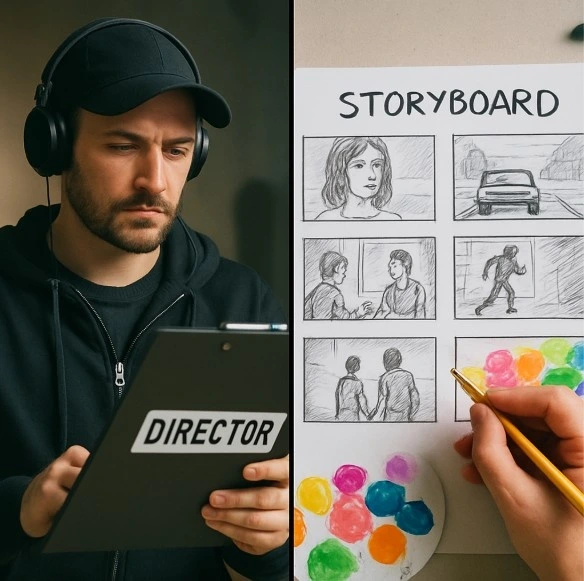
The Shot List as Your Production Grocery List: Ensuring You Never Forget an Ingredient
Imagine wrapping a long day of filming, packing up your gear, and realizing on the drive home that you forgot the most critical close-up of your main character. This nightmare scenario is surprisingly common, but it isn’t a failure of creativity; it’s a failure of inventory. Just as a chef wouldn’t start cooking without checking the pantry, a director needs a “Shot List” to track every piece of footage required to build the scene.
While a script tells the story in chronological order, a shot list organizes your day by logic and location. It groups all your “coverage”—the specific angles and perspectives needed to edit the scene together—based on where the camera stands. If you have five different scenes taking place in a kitchen, you shoot them all at once to save time, rather than setting up lights five separate times. This logistical grouping is the secret to professional efficiency.
For maximum utility, specific columns should function like an itemized receipt. A functional shot list typically includes:
- Shot Number & Type: Identifies the specific clip and the angle, such as a Wide Shot (for context) or Close-Up (for emotion).
- Subject: Who or what is in the frame (e.g., “Hero looks at watch”).
- Equipment Specs: Notes on technical requirements, like using a tripod for stability or a specific lens.
Treating your shoot like a grocery run ensures you bring home all the right ingredients, but it doesn’t tell you how to cook the meal. Once you have the logistics secured in a list, you are ready to define the creative intent behind those choices to turn raw footage into emotional storytelling.
Shot Planning as Your Creative Recipe: Defining the 'Why' Behind Every Frame
If the shot list ensures you have ingredients, shot planning is the recipe that determines the flavor. This is the crucial step where you transition from a logistics manager to a visual storyteller by asking “why” before asking “how.” Instead of simply noting that you need a shot of an actor entering a room, you determine if they should look small and overwhelmed or large and confident. This phase maps the emotional journey of the scene to the technical tools in your hands, transforming a sterile recording of events into a narrative with pulse and purpose.
Amateurs often plant a tripod in the corner and hit record, but effective filmmaking requires deliberate blocking—the choreographed physical movement of actors and cameras within a space. Think of a tense argument between two characters. If the camera remains static, the energy stagnates. However, if you plan for the camera to push in slowly as voices raise, you subconsciously signal rising tension to the audience. This alignment of physical action with emotional beats highlights the difference between a director’s creative vision vs logistical planning, moving beyond simple coverage to create meaning.
Visual storytelling works best when you construct a clear visual arc that mirrors the character’s internal state. You might plan to start a scene with distant, wide angles to show a character’s isolation, then progressively tighten the framing to uncomfortable close-ups as they confess a secret. By deciding these shifts in advance, you ensure that every cut serves the story rather than just filling screen time. This blueprint communicates your vision to a crew, ensuring everyone understands the emotional goal of the setup.
Even the most detailed creative blueprints interact unpredictably with reality once the cameras roll. Lighting changes, actors struggle with specific movements, or a location looks different through the lens than it did on paper. While the shot list keeps you organized, understanding the core emotional purpose of your shots gives you the confidence to adapt when challenges arise.
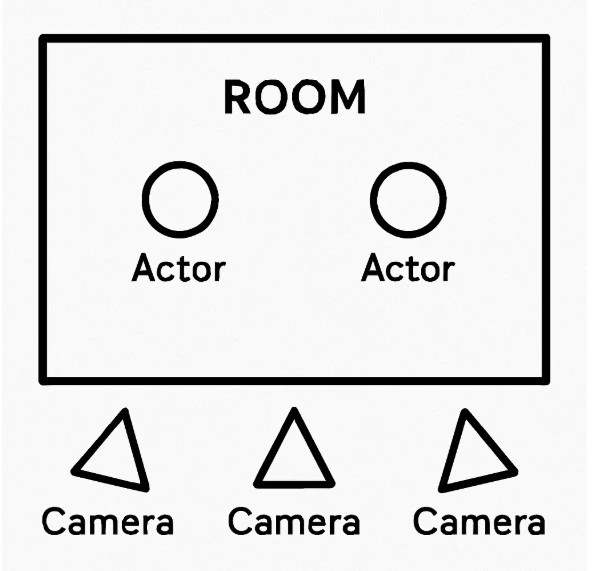
Why Rigid Schedules Fail and How Adaptive Planning Saves the Day
Filming almost never goes exactly according to the clock. While your shot list acts as the ingredients and your creative plan as the recipe, treating your timeline like a rigid contract is a quick way to derail a project. Clouds might block the sun during your “golden hour” shot, or an actor might need ten takes to nail a simple line. If you are locked into a strict minute-by-minute schedule, these minor hiccups often spiral into panic, forcing you to rush through critical emotional moments just to “catch up.”
Successful directors rely on adaptive planning, which prioritizes the day’s creative goals over specific timestamps. The secret weapon here is “flex-time”—deliberately scheduling 30-minute buffers between major scene changes. This breathing room allows you to troubleshoot technical gremlins without stealing time from your actual filming. It shifts your mindset from “We are ten minutes late” to “We have a cushion,” preserving the crew’s morale and keeping the focus on storytelling quality rather than logistics.
Flexibility also unlocks the benefits of improvisational cinematography. When you aren’t anxiously watching the clock, you have the mental space to notice a beautiful reflection in a window or a candid expression from an actor that wasn’t in the script.
Signs Your Production Plan Is Too Rigid (And How to Fix It):
- Zero Margin for Error: You scheduled back-to-back shots with no breaks. Fix: Add 15% padding to every setup for technical adjustments.
- Quantity Over Quality: You prioritized getting 50 mediocre shots instead of 10 excellent ones. Fix: Mark your “Must-Haves” vs. “Nice-to-Haves.”
- No “Kill” List: You treat every angle as mandatory. Fix: Identify ahead of time which shots can be cut if you fall behind.
Once you embrace this flexibility, you can stop fearing the unexpected and start using your preparation as a safety net for on-set discovery.
Mastering the 'Pivot': Using Your Plan as a Safety Net for On-Set Improvisation
Great directors don’t strictly adhere to the plan out of stubbornness; they use it as a foundation for discovery. You might wonder why directors change shot lists on set if they spent weeks preparing them. The answer lies in the immediate reality of the location. You might notice a shaft of light hitting a wall perfectly, or realize an actor’s performance works better in a close-up than a wide shot. Your preparation bought you the mental freedom to recognize these opportunities, knowing exactly where you are in the story so you can take a scenic detour without getting lost.
Pivoting is distinct from panic because it relies on your deep knowledge of the story’s intent. When you face common hurdles like managing time constraints in film production—perhaps a location becomes unavailable or a battery dies—an unprepared filmmaker scrambles to shoot random footage just to finish. A prepared director, however, looks at their plan, identifies the emotional core of the missing moment, and invents a simpler shot that captures that same feeling. You trade complex camera moves for simpler setups without sacrificing the story’s heart.
Your original documents also serve as a vital translation tool for your crew during these rapid changes. Instead of vaguely explaining a new idea from scratch, you can point to the original plan and say, “We are cutting shots four and five, and combining them into one static angle here.” This clarity preserves your creative vision while saving the team from confusion, ensuring everyone pivots in the same direction instantly.
Ultimately, the confidence to deviate from your list comes from knowing you have the basics covered first. One specific industry standard technique guarantees a usable scene before you ever start experimenting, acting as the ultimate insurance policy for your shoot.
The Master Shot Technique: A Professional Trick for Guaranteed Coverage
Imagine capturing the entire scene safely within the first hour. This is the strategic power of the “Master Shot.” In cinematic storytelling, this single wide angle records all the action from start to finish. Think of it as painting the background canvas before adding detailed brushstrokes. If time runs out later, this continuous take ensures the audience follows the story without confusing gaps.
Once that safety net is secure, you can move closer for “Coverage.” This involves repositioning the camera to capture specific details, like an intense reaction or a specific prop. By working from the widest angle inward to the tightest close-up, you utilize a “Master-to-Macro” workflow that simplifies logistics. You can focus on emotional nuances because you already established the room’s geography in the master.
Editors rely on these layers to hide mistakes. If an actor flubs a line, you can cut to a close-up or “B-Roll”—supplementary footage like a clock ticking—to mask the error seamlessly. This variety preserves “Continuity,” or the illusion of unbroken time. You aren’t just filming a checklist; you are gathering the raw materials to build a cohesive reality.
Transforming into a director requires this strategic mindset. Improving on-set efficiency means knowing exactly which shots are mandatory to tell your story and which are luxuries. We can now organize these ideas into a flexible, practical production plan.
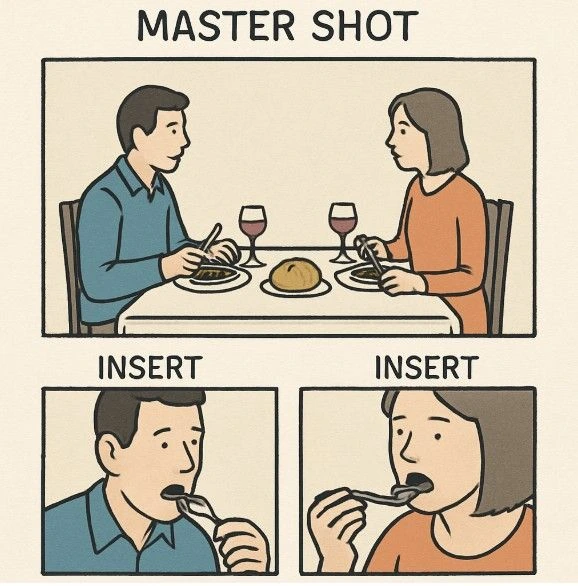
3 Practical Steps to Build a Flexible Production Plan Today
Converting your creative vision into a tangible schedule is the secret to saving 20-30% of your production time. Successful video production is 90% preparation. You do not need artistic talent to sketch out your ideas, but you do need a reliable roadmap to prevent chaos when the camera starts rolling.
Adopt this three-step framework to keep professional sets moving efficiently:
- The Visual Draft: Draw stick-figure references for your Master Shot and coverage. This simplifies the storyboard vs shot list workflow by combining creative intent with a practical checklist.
- The Technical Breakdown: Translate those sketches into specific gear needs. If a shot requires a tripod or a specific prop, list it here to avoid that sinking feeling of realizing you forgot essential equipment.
- The ‘What-If’ Scenario: Plan your contingencies. If it rains during an outdoor scene, do you have an indoor alternative script-ready?
Preparation is ultimately about freedom, not restriction. By organizing these essential film pre-production documents for directors, you create a safety buffer for when things inevitably go wrong. Instead of freezing up when a cloud blocks your sunlight or an actor is late, you can calmly switch to your pre-planned backup. This confidence allows you to stop stressing about the logistics and start focusing on the magic of the performance.
From Blueprint to Big Screen: Your Action Plan for Cinematic Confidence
Don’t approach your shoot dates with anxiety about missing the perfect moment or losing control of the schedule. By separating the logistical constraints of your shot list from the creative vision of your shot plan, you have transformed the way you tell stories. You now possess the insight to see a production not just as a checklist of tasks to complete, but as a flexible environment where preparation creates the safety net for true creativity.
Take this new perspective into your next project, even if it is just a short video with friends. Approach your pre-production by building your “recipe” first to understand the emotional flow, then write your “grocery list” to handle the logistics. This guide to professional filmmaking ensures that when the sun is setting and time is running out, you have the structure to make smart decisions without sacrificing your artistic intent.
Rigid adherence to a piece of paper is not the goal; capturing the soul of the scene is. Professional cinematography workflows rely on this distinct balance to maintain momentum. When you trust your preparation, you gain the freedom to improvise, allowing you to seize happy accidents and unexpected performances that often become the most memorable parts of the film.
Improving on-set efficiency is ultimately about buying yourself the time to be an artist rather than just a manager. Your preparation is the floor that supports you, not the ceiling that limits you. With your emotional plan in one hand and your logistical list in the other, you are ready to construct something lasting. After all, would you try to build a house without a blueprint?
Streamline Your Storytelling with Studiovity
Mastering the balance between a rigid shot list and a creative shot plan is much easier when you aren’t fighting with messy spreadsheets and scattered notebooks. Studiovity is designed to be the bridge between your logistical “grocery list” and your creative “recipe.” By integrating your script breakdown directly with professional shot listing and storyboarding tools, Studiovity allows you to build a flexible production plan that survives the chaos of a live set. Whether you need to quickly pivot your camera blocking or instantly share an updated master shot list with your crew, Studiovity gives you the professional edge to stop managing paperwork and start directing your vision.