
Imagine organizing a complex wedding for 200 guests. Now, stretch that single event across three months and five countries. A ten-minute delay can cost $50,000. This chaotic scenario reflects the daily reality of modern filmmaking. While audiences see a seamless story, hidden logistics drive every production. Crews coordinate massive teams, expensive locations, and unpredictable weather.
The Role of AI in Film Scheduling and Production Planning has changed how producers manage this chaos. Historically, production managers solved these daily puzzles using giant wall boards covered in paper strips. Today, comparing AI scheduling vs manual film production planning reveals a massive technological shift. According to seasoned studio producers, a single unexpected rainstorm once ruined weeks of manual work. Now, filmmakers use algorithmic scheduling. This smart digital assistant runs thousands of simulated schedules in seconds. It quickly finds solutions when an actor gets delayed or a location falls through.
Modern film scheduling technology acts like a sophisticated GPS. It never drives the creative car. Instead, this predictive assistant guides human producers around logistical traffic jams. As a result, it prevents costly disasters before they ever reach the set.
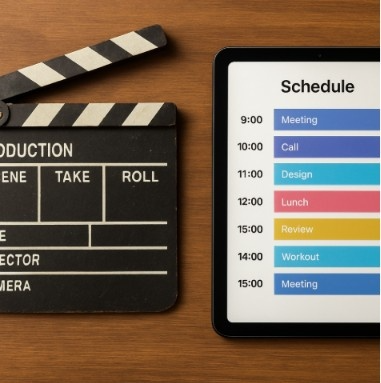
Turning Words into Lists: How AI Decodes a Script in Seconds
A script serves as the blueprint for a movie, but someone still has to read those pages to figure out exactly what to buy, rent, or build. In the past, this tedious step required a human with colored highlighters to comb through hundreds of pages. Today, machine learning for movie script breakdown transforms that monumental chore into an instant automated process.
The Role of AI in Film Scheduling and Production Planning also improves script breakdown workflows. Instead of seeing flat text, modern software uses pattern recognition to act like a tireless assistant. The best AI tools for pre-production planning instantly scan dialogue and scene descriptions. Then, they pull out a crucial shopping list by automatically identifying four core elements:
- Characters (who needs to be on set)
- Locations (where the action takes place)
- Props (objects the actors interact with)
- Time of day (whether to prepare for sunlight or bring night lights)
Shifting from manual highlighters to smart algorithms reduces a job that once took days down to minutes. More importantly, this establishes data-driven decision making in film project management from the start. It also catches hidden resource needs, like a specific vintage car mentioned casually in scene four, long before a single camera rolls.
Once this detailed list is generated, producers face an even bigger hurdle. They must arrange all these moving pieces without blowing the budget. Consequently, they enter the ultimate game of logistical Tetris: arranging talent and location schedules.
The Ultimate Game of Tetris: Solving Talent and Location Conflicts with AI
Imagine organizing a sprawling vacation where destinations constantly change their hours and guests keep moving their flights. Hollywood traditionally managed this logistical chaos using a “stripboard.” This giant physical chart used colored cardboard strips to represent every scene. Because movies are filmed out of sequence, moving just one strip to the wrong day could trigger a million-dollar scheduling disaster.
The Role of AI in Film Scheduling and Production Planning becomes critical when managing actor schedules. A lead star may have a strict three-week filming window. Meanwhile, a supporting cast member might only be free on specific dates. Today, solving talent availability conflicts with AI allows software to process thousands of calendar combinations in seconds. Therefore, the right people arrive on the correct days while costly human errors disappear.
Nature adds its own relentless pressure to the timeline. Directors often demand shoots during the “golden hour.” This brief sunlight appears just before sunset and gives crews only forty-five minutes to capture the perfect scene. Through automated film stripboard optimization, smart software locks in rigid environmental constraints and location permits. Then, it arranges the filming order so the crew never misses that crucial window of light.
Rather than replacing human filmmakers, modern production scheduling AI works like a hyper-intelligent GPS for movie logistics. If a sudden storm washes out an outdoor location, the system instantly calculates the best detour by moving an indoor scene forward. This rapid adaptability unlocks the next financial frontier of filmmaking logistics: predicting the unpredictable to cut costs.

Predicting the Unpredictable: How Data-Driven Planning Cuts Film Costs
Sitting in a taxi in heavy traffic while the meter keeps ticking perfectly describes a delayed movie set. “Idle time” happens when a massive crew stands around waiting for a late prop or a missing actor. It remains Hollywood’s silent budget killer. When fans ask how AI reduces film production costs, the answer lies in predictive analytics for film budgeting and logistics. By analyzing historical data from thousands of past movies, smart software spots expensive bottlenecks before cameras start rolling.
The Role of AI in Film Scheduling and Production Planning also levels the playing field for smaller productions. Previously, only massive studios could afford dedicated teams to track every scattered penny. Today, intelligent resource allocation for independent filmmakers helps smaller crews stretch their dollars with blockbuster efficiency. Instead of hoping everything goes to plan, the system protects the budget in three crucial ways:
- Reducing overtime pay by calculating exactly how long complex scenes will take to film.
- Optimizing gear rentals so expensive equipment, like camera cranes, only gets rented on required days.
- Predicting weather-related delays to prevent paying a 150-person crew for a rained-out shoot.
Every dollar saved on wasted rentals or idle waiting becomes another dollar on screen for the audience to enjoy. However, balancing a budget is only half the battle when managing hundreds of tired workers. Once the financial plan is locked, producers must ensure nobody gets overworked. As a result, the next challenge involves maintaining union compliance and executing real-time fixes.
Staying Legal and On Time: AI-Driven Union Compliance and Real-Time Fixes
Organizing a movie set involves much more than pointing cameras. Producers must also navigate complex labor laws. Film unions enforce rigid rules for meal breaks and mandatory rest periods. Today, producers rely on AI-driven union labor rule compliance in scheduling to track everyone’s hours automatically. Instead of manually calculating whether an actor received a required twelve-hour break between filming shifts, the software flags potential violations before they happen.
The Role of AI in Film Scheduling and Production Planning becomes even more valuable during unexpected delays. Crews depend on daily itineraries, known as call sheets, to know exactly where to be. If a sudden thunderstorm cancels an outdoor shoot, old methods required hours of frantic manual rescheduling. Now, automated call sheet generation software and real-time production schedule adjustments act like a GPS recalculating your route. They instantly shuffle scenes to build a fresh and legally compliant schedule in seconds.
Technology also ensures these rapid changes reach the entire crew seamlessly. By streamlining film production workflows with cloud-based AI, updated plans instantly reach smartphones. Consequently, massive teams can pivot together without confusion. Yet, even the smartest software only provides the map, not the driver. While algorithms handle exhausting logistical math, experienced leaders still execute the vision. This reinforces why AI remains a supportive partner rather than a replacement for human leadership.
The Assistant Director’s New Partner: Why AI Won’t Replace the Human Touch
When a computer can instantly rewrite a three-month shooting schedule, people naturally wonder if algorithms are taking over the movie business. Many ask whether AI will replace human first assistant directors on set. The short answer is no. While software excels at playing a high-stakes game of Tetris with actors’ availability, it cannot read the mood of a 200-person crew standing in freezing rain.
The Role of AI in Film Scheduling and Production Planning still depends on human creativity and leadership. The difference between raw logic and creative problem-solving remains essential. An algorithm can calculate that an actor only has three legal working hours left. However, a human leader must walk over, encourage that exhausted star, and gently coax the final performance out of them. Empathy, negotiation, and morale management remain deeply human skills.
Ultimately, this technology acts as a tireless digital assistant rather than a robotic boss. By offloading exhausting logistical math to machines, filmmakers can focus their energy back on creative storytelling. Therefore, the focus shifts away from spreadsheets and back toward stories.

From Spreadsheets to Stories: The Future of AI-Powered Production
The hidden logistics behind modern movies now rely heavily on technology. The Role of AI in Film Scheduling and Production Planning has transformed manual behind-the-scenes chaos into a streamlined workflow. By solving grueling logistical puzzles, technology allows filmmakers to spend less time stressing over spreadsheets and more time crafting meaningful art.
To stay informed on film tech over the next five years, watch for:
- Generative AI for scene location scouting
- AI-integrated budgeting
- Real-time “what-if” simulations on set
The Role of AI in Film Scheduling and Production Planning will continue shaping the future of filmmaking. The next time you watch a blockbuster, look beyond the special effects and appreciate the invisible puzzle making those moments possible. Behind-the-scenes documentaries of modern films reveal these smart systems in action. They prove that the future of cinema remains just as thrilling behind the camera as it is on screen.
Simplify Film Scheduling and Production Planning with Studiovity
Managing a film production involves countless moving parts, from script breakdowns and scheduling to budgeting and crew coordination. Studiovity helps filmmakers simplify every stage of this process with AI-powered production tools designed for modern teams. Whether you are creating shooting schedules, generating call sheets, organizing shot lists, or handling script breakdowns, the platform streamlines complex workflows into one connected system. By combining automation with creative flexibility, Studiovity allows filmmakers to reduce delays, control production costs, and focus more on storytelling instead of spreadsheets.