
Imagine Star Wars without the rust on the droids. If everything looked brand new, would you still believe it was a “galaxy far, far away”? According to cinema historians, this famous “used future” aesthetic proves that ‘lived-in’ details make fictional worlds instantly believable. That iconic grit perfectly answers the question: what is Production Design in Film? Simply put, Production Design in Film is everything you see on screen that isn’t an actor.
While the cast speaks the script, the walls, furniture, and props are telling a completely different story. Every object in a frame is a deliberate choice, acting as the movie’s silent narrator. Mastering visual storytelling through set design means understanding this secret language, where a cluttered bedroom instantly reveals a character’s internal confusion before they ever speak.
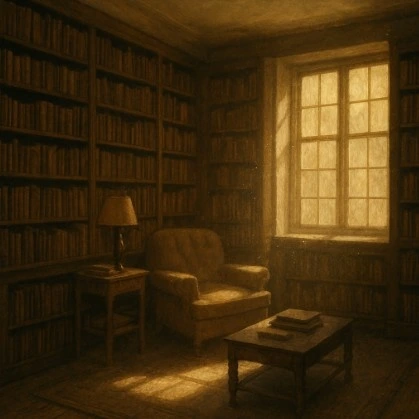
The Architect of the Imagination: Distinguishing the Production Designer from the Art Director
Imagine freezing a frame of a Harry Potter movie. Everything you see—the floating candles, the worn wooden tables, the dusty books—makes up the mise-en-scène, a French term that simply means “everything placed on the stage.” While actors deliver the script, a massive hidden team builds this physical world.
At the top of this crew sits a crucial partnership. The dynamic between the production designer vs art director relies on a simple three-step breakdown:
- The Vision: The Production Designer decides the what and why (“This room should feel cold and lonely to reflect the character’s sadness”).
- The Execution: The Art Director figures out the how and when (“We need to hire carpenters to build steel walls by Tuesday”).
- The Teamwork: The Designer dreams up the universe, while the Art Director manages the logistics, crew, and budget to make it real.
Reaching these leadership spots involves strict production design career path requirements, often beginning as an art assistant and spending years mastering architectural drafting or set decoration. Strong knowledge of Production Design in Film helps professionals understand how visual spaces support storytelling. Once those physical walls are finally built, the crew must breathe emotion into the empty space using color palettes and textures to create the movie’s atmosphere.
Painting with Feelings: How Color Palettes and Textures Create the Movie’s Atmosphere
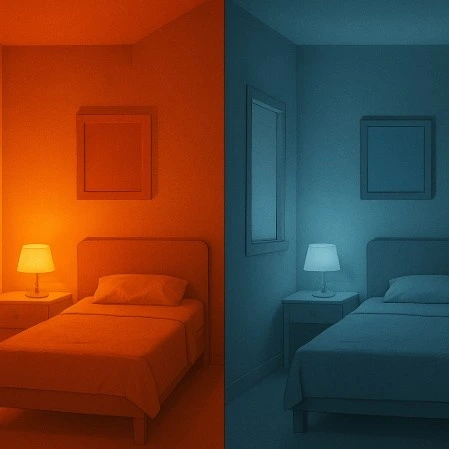
Have you ever noticed how a simple change in lighting or wallpaper can suddenly make you feel uneasy? Before an actor even speaks, the room itself sets the scene’s “emotional temperature.” Designers use specific hues to manipulate our feelings without us realizing it, highlighting the film color palette importance. This isn’t just background decoration; it is a hidden psychological tool used throughout Production Design in Film.
By carefully selecting these tones, artists completely control how production design affects movie atmosphere. You can read a character’s internal state just by looking at their surroundings:
- Desaturated Blues: Create a chilling sense of isolation, sadness, or clinical coldness.
- Warm Oranges: Radiate comfort, familial safety, and gentle nostalgia.
- Harsh Greens: Signal sickness, corruption, or an unnatural environment.
- Vibrant Reds: Warn of immediate, looming danger or intense passion.
Beyond the paint on the walls, a room’s history is written in its physical wear and tear. Consider the rusted, dented spaceships in Star Wars; this storytelling through props and textures proves these vehicles have survived a harsh galaxy. A shiny new control panel feels fake, but a battered, greasy keyboard feels incredibly genuine. Attention to texture is one of the most important aspects of Production Design in Film. To achieve this undeniable authenticity, filmmakers rely on actual materials rather than computers, which is why physical film sets beat CGI for lived-in realism.
Building Truth from Scratch: Why Physical Film Sets Beat CGI for Lived-In Realism
While green screens generate infinite galaxies, nothing replaces the gravity of a real room. This is the magic of practical sets—environments built from real wood and plaster. By prioritizing physical film sets vs CGI environments, designers capture genuine light and shadow, allowing actors to naturally interact with their tangible surroundings instead of pretending against a blank wall.
Before construction begins, the team determines a room’s personality by building a mood board for film—a physical collage of inspirational photos and textures. This blueprint helps them master creating cinematic worlds on a budget by focusing on set dressing: the everyday items filling the space. Careful planning in Production Design in Film makes these environments feel believable. These background props silently explain a character without a single line of dialogue:
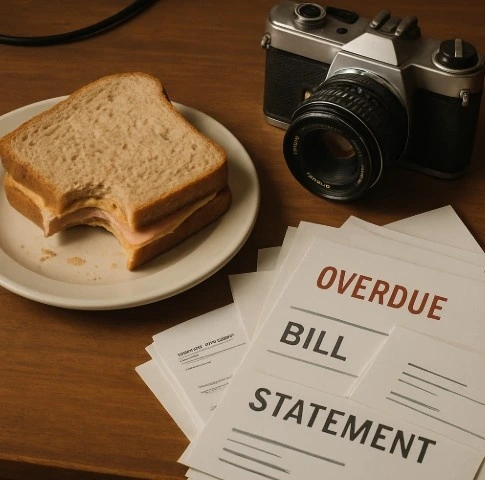
- Unopened mail piles quickly reveal someone overwhelmed by debt or dodging reality.
- A perfectly vacuumed rug suggests a person who harbors anxiety or craves extreme control.
- Thriving house plants whisper that a seemingly tough hero actually possesses a gentle, nurturing soul.
Every object in movie set design is a deliberate choice placed there specifically to enrich the narrative. These careful decorative choices within Production Design in Film allow audiences to actively identify visual storytelling in their favorite films.
Become a Movie Detective: Identifying Visual Storytelling in Your Favorite Films
You no longer just watch a movie; you step inside a carefully crafted universe. Recognizing the elements of production design transforms how you experience cinema. It is the ultimate invisible art, where the close collaboration between director and production designer turns an empty soundstage into a living, breathing reality. Through these essential visual world-building techniques in film, Production Design in Film shapes every color palette, texture, and piece of furniture to make the story possible.
Try the “Look Closer” technique during your next movie night to see this magic in action. Next time you watch a horror movie, look closely at the wallpaper. Is it patterned in a way that makes you feel slightly dizzy? Or consider a problem-solving scenario: how do you show a character is lonely using only a dining table? A clever designer will seat them at the far end of a massive, empty table, using the physical space itself to reflect their internal isolation.
Active observation reveals the screen as a canvas filled with hidden intentionality rather than a passive backdrop. As you pay closer attention to these carefully crafted details, you might even spot the custom labels on the cereal boxes sitting behind your favorite characters. Studying Production Design in Film can completely change how audiences understand visual storytelling.
Bring Your Visual Storytelling to Life with Studiovity
Great Production Design in Film starts with strong planning, creative collaboration, and detailed visual organization. From mood boards and shot lists to screenplay breakdowns and production scheduling, every detail matters when building believable cinematic worlds. Studiovity helps filmmakers streamline the entire pre-production process with tools designed for screenwriters, directors, production designers, and creative teams. Whether you are designing realistic film sets, planning visual aesthetics, or organizing production workflows, Studiovity gives your team one collaborative space to turn creative ideas into screen-ready reality.