
Pre-Production in Filmmaking: Importance, Process & Tools Explained
Everyone sees actors on the red carpet, but a movie’s survival is determined months before cameras roll. In fact, Pre-Production in Filmmaking defines whether a project succeeds or collapses. According to cinema historians, the notorious budget overruns on Jaws occurred largely because an untested mechanical shark was rushed to sea. Therefore, that historic disaster perfectly illustrates the necessity of pre-production in filmmaking—the invisible foundation where a 90-page script becomes a massive 500-page logistical plan.
Moreover, industry data reveals that poor planning remains the leading cause of independent film failure today. Consequently, the financial impact of the “prep-to-shoot” ratio keeps a production afloat before a single frame is captured. Ultimately, this crucial window of filmmaking pre-production transforms a wild creative idea into a rigid, executable business plan.
Turning a Story into a Grocery List: Mastering the Script Breakdown Process
Reading a screenplay for pleasure differs wildly from reading it to make a movie. During filmmaking pre-production, a finished story must be dismantled into tangible items to buy, rent, or hire. This dismantling process, called a Script Breakdown, acts as the essential pre-production checklist for beginners and seasoned professionals alike.
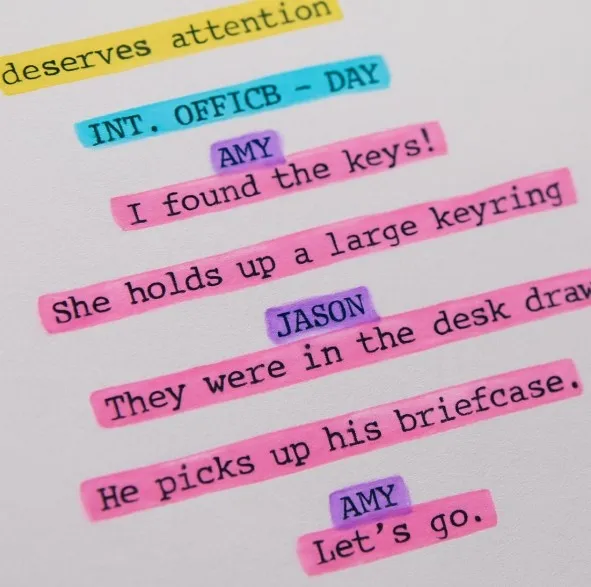
Instead of getting lost in the dialogue, you actively scan the page to hunt for physical “Elements.” Every noun on the page becomes a logistical hurdle to solve. To track these needs, production teams color-code specific categories directly on the script.
Five critical elements to highlight include:
- Characters (speaking roles and background extras)
- Props (specific objects handled by actors)
- Vehicles (picture cars visible on screen)
- SFX (special effects like rain or fire)
- Wardrobe (specific character costumes)
Additionally, measuring scenes requires breaking them into fractions. The script breakdown process for indie films and massive blockbusters relies on “Page Eighths”—an industry-standard measurement dividing every page into eight visual chunks to estimate daily shooting time. Once every eighth is tallied, this data goes directly to financial leaders.
The Architects of the Set: How Line Producers and UPMs Prevent Financial Disasters
You might assume the Producer makes every creative choice; however, the title covers many roles. While a creative Producer focuses on stars and scripts, the Line Producer acts as the financial architect. So, what does a line producer do in prep? They assign a strict dollar value to every highlighted script item, ensuring the director’s vision stays within budget.
At the same time, the Unit Production Manager (UPM) commands daily operations. The UPM hires and oversees the “Below-the-Line” crew—electricians, makeup artists, and carpenters who physically construct the movie. In addition, they manage payroll and handle film production insurance requirements that protect the set from costly risks.
Together, these experts reduce film budgets during prep without sacrificing the story. For instance, instead of cutting a key action scene, they may combine two locations to save costs. Once this financial blueprint is balanced, the team moves into the real world.
Hunting for Reality: Why Securing Local Film Permits and Mastering Tech Scouts are Critical
Finding the perfect backdrop is only step one. After a director selects a visually stunning spot, the team must handle strict legal realities. Without securing local film permits, productions face shutdowns and heavy fines. Therefore, permits guarantee legal access, street closures, and space for essential units like the Honeywagon.
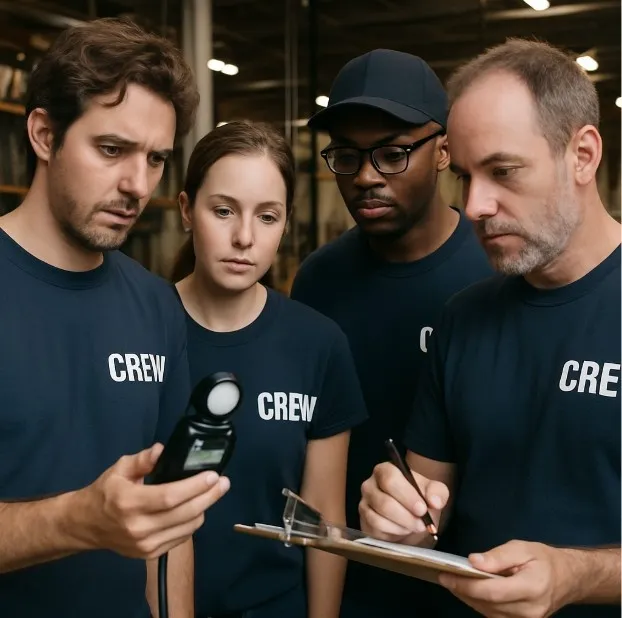
Later, department heads return for a technical scout to identify operational risks. The primary objectives include:
- Power availability: Can the grid handle large lighting setups?
- Sun path: Where will shadows fall during the day?
- Cell service & parking: Can teams communicate, and where will trucks park?
By solving these issues early, teams avoid turning a great location into a costly problem.
Navigating the Industry Rules: SAG-AFTRA Standards and State Film Tax Incentives
Casting rarely happens by chance. Instead, producers hire casting directors to match talent with roles. Afterwards, filmmakers must navigate SAG-AFTRA vs non-union production rules. While non-union shoots may appear cheaper, union standards ensure fair pay, safety, and proper rest.
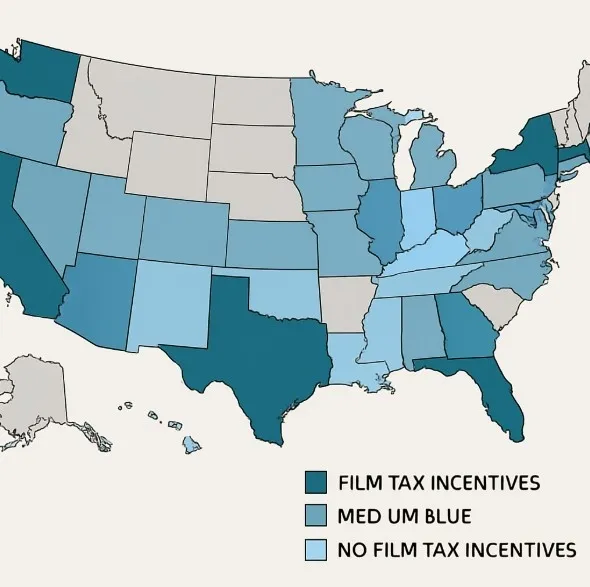
Meanwhile, geography plays a major financial role. Many productions choose locations based on state film tax incentives. These incentives act like major budget savings, which explains why films set in one city are often shot in another.
The Final Battle Plan: Turning a Schedule into a Professional Production Board
You rarely shoot a film in script order. Instead, scenes are grouped by location and efficiency. This process, known as blocking, forms the foundation of the shooting schedule.
To manage this, filmmakers use a stripboard—a visual system where each scene becomes a movable strip. When building a production board, teams rely on tools such as:
- Basic Spreadsheets for small projects
- StudioBinder for mid-tier productions
- Movie Magic Scheduling for large-scale shoots
However, even the best plan must stay flexible. Unexpected changes, like weather disruptions, require instant schedule adjustments.
From Paper to Production: Your Action Plan for a Successful Shoot
Movies are not spontaneous. Instead, Pre-Production in Filmmaking ensures everything runs smoothly before cameras roll. This phase builds a complete operational plan and prevents costly mistakes. As a result, directors can focus on creativity rather than logistics during the shoot.
Before moving into production, follow this final checklist:
- Finalize COIs (insurance documents)
- Lock locations and confirm access
- Confirm equipment pick-up
- Run final cast rehearsals
- Distribute call sheets to the crew
With these steps complete, your plan is fully prepared. At this stage, Pre-Production in Filmmaking transitions into execution, and your team can confidently begin production.
Why Studiovity Is Built for Modern Pre-Production
If pre-production is where films are truly made, then having the right tool can define your entire workflow. Studiovity brings every stage of pre-production into one seamless platform—from scriptwriting and AI-powered script breakdowns to shot lists, scheduling, and call sheets. Instead of juggling spreadsheets, scattered documents, and multiple apps, filmmakers can plan, collaborate, and execute everything in one place.
Moreover, Studiovity is designed for speed and precision. It transforms complex planning into an intuitive process, helping you reduce errors, save budget, and stay aligned with your team. Whether you’re an indie creator or managing a large production, Studiovity ensures that your pre-production isn’t just organized—it’s optimized for success before the first shot is ever taken.