
Imagine Star Wars without Tunisia’s sweeping desert dunes, or The Shining stripped of the haunting, isolated halls of the Timberline Lodge. Great movies rely on their environments to do much more than simply host the action. Location Scouting in Filmmaking plays a crucial role in creating these unforgettable cinematic worlds. According to legendary directors and cinematographers, a compelling setting acts as a silent character, providing essential context and emotional subtext before a single actor even speaks.
How do directors find these perfect backdrops? The process resembles extreme house hunting, where crews search for physical spaces that match the script’s vision. Moreover, true visual storytelling depends on spaces with a specific psychological impact, where the scale and architecture of a room can make audiences feel trapped, awestruck, or deeply comforted.
In practice, movie magic requires a careful balance between imagination and preparation. Early scouting prevents expensive technical disasters on shoot day, such as discovering that a beautiful sunset cliff sits directly beneath a deafening airplane flight path. Furthermore, a space may look stunning in person, but cameras and microphones require specific logistical foundations, including accessible power and quiet surroundings, to capture scenes successfully.
Industry experience consistently shows that poorly chosen environments can derail strong screenplays, drain budgets, and weaken the intended atmosphere. Therefore, mastering Location Scouting in Filmmaking ensures that every space strengthens your narrative rather than working against it. A polished cinematic aesthetic begins long before cameras roll by identifying both extraordinary beauty and hidden logistical challenges.
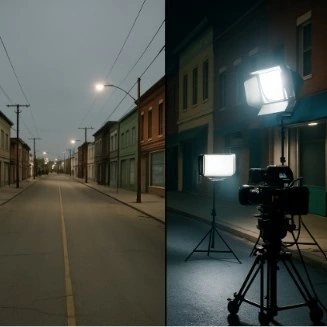
Scouting Like a Pro: From Digital Maps to Neighborhood Discovery
Before burning a tank of gas driving across town, modern filmmakers often start their search directly from the couch. This initial phase, known as a “Virtual Scout,” uses tools like Google Street View to evaluate neighborhoods and eliminate unsuitable options. As a result, it remains one of the most effective scouting techniques for saving time before stepping outside.
Successful Location Scouting in Filmmaking combines digital research with real-world exploration. Once you leave the computer, your search relies on several proven strategies, each offering unique benefits and limitations:
- Virtual Scouting (Google Maps): Pro: Instantly eliminates bad options. Con: Outdated street images might hide a noisy new construction site.
- Working with local film commissions: (City offices that help movies shoot locally). Pro: Free access to massive, professional location databases. Con: You may see the same popular spots everyone else uses.
- “Walking the Grid”: (Physically exploring neighborhood blocks). Pro: The best method for finding unique film locations that haven’t been overused. Con: Highly time-consuming and exhausting.
However, building a list of promising addresses is only the first step. The real evaluation begins when you visit each location in person to determine whether it truly supports your visual story.
Does it Look Like a Movie? Scouting for Cinematic Visuals
Stepping into a beautiful living room may feel perfect in person, yet a simply attractive space rarely translates into a compelling cinematic image. Effective Location Scouting in Filmmaking requires looking beyond appearance and understanding how a location performs on camera.
Because cameras compress a three-dimensional environment onto a flat screen, filmmakers should actively search for physical depth. Instead of positioning actors against a blank wall, which often creates a flat and amateur-looking composition, look for long hallways, open doorways, or distant background elements that naturally add layers to the frame. Consequently, these visual layers create a stronger cinematic aesthetic and increase production value.
Beyond architecture, the surrounding environment contributes significantly to visual storytelling. Before committing to a location, evaluate its built-in color palette and the emotions it naturally conveys. For example, a sterile, blue-tinted corporate office immediately suggests cold isolation, while a room filled with warm wood tones and amber lighting feels welcoming and intimate.
Rather than searching for a blank canvas, seek a location whose natural colors already support your characters’ emotions. In addition, securing an emotionally resonant setting becomes even more valuable when you understand how changing seasons affect natural light. A room filled with golden sunlight in June may transform into a dark and gloomy space by December. Therefore, evaluating seasonal lighting patterns remains an essential part of the scouting process.

Tracking the Sun: Why Every Cinematographer Needs a Compass
Have you ever discovered a majestic building, only to return on production day and find it hidden in shadow? This common problem occurs because the sun acts as a constantly moving spotlight. Therefore, Location Scouting in Filmmaking requires a thorough understanding of how sunlight interacts with a location throughout the day.
Although scouting for seasonal lighting patterns supports long-term planning, daily shoots require precise knowledge of where daylight will fall before production begins. To achieve true cinematic beauty, filmmakers often schedule important scenes during “Golden Hour,” the brief period of soft, warm light that occurs near sunrise or sunset.
Fortunately, several tools help predict lighting conditions accurately:
- Sun Surveyor: Best for using augmented reality to see 3D visual overlays of the sun’s path.
- Lumos: Great for quick, free predictions of shadow lengths.
- PhotoPills: The ultimate professional toolkit for precise golden hour timing.
Because guessing wastes both time and money, these tools allow filmmakers to plan scenes with confidence. Nevertheless, even perfect lighting cannot save a scene if unexpected noise destroys an emotional performance. Therefore, once the visual environment is secured, filmmakers must evaluate the audio environment as carefully as the visual one.
The Sound of Silence (and Why You Won't Find It): Assessing Audio Quality
Recording video in a seemingly quiet room often reveals a persistent hum during playback. Unlike the human brain, microphones capture every background sound, including humming appliances, distant traffic, air-conditioning systems, and aircraft overhead. Consequently, Location Scouting in Filmmaking must include a detailed assessment of acoustics and environmental sound levels.
Filmmakers should actively search for hidden audio issues before committing to a location. A charming café may look perfect on camera, yet humming refrigerators, rattling HVAC systems, or nearby flight paths can easily overpower dialogue.
Visual appeal alone cannot compensate for poor audio quality. Likewise, emotional dialogue loses its impact when echoes bounce endlessly through a room. To evaluate acoustic reverb, professionals often perform the simple “Clap Test.” A single loud clap immediately reveals how long sound lingers and whether the space will create problematic echoes.
Mitigating background noise on location often involves hanging thick moving blankets or other sound-absorbing materials. However, severe reverberation may require filmmakers to abandon a location entirely.
Occasionally, a stunning environment proves too noisy to use effectively. In such situations, crews must decide whether the location justifies the added expense of ADR (Automated Dialogue Replacement), where actors re-record dialogue in a controlled studio environment. Ultimately, balancing visual beauty with practical audio requirements protects the quality of the final edit.
Plugs, Parking, and Port-a-Potties: The 'Tech Scout' Essentials
Finding a visually perfect warehouse for a climactic scene means very little if the location lacks a single functioning electrical outlet. For this reason, Location Scouting in Filmmaking extends beyond creative decisions and enters the realm of logistics.
This reality introduces the “Tech Scout,” which serves as a logistical rehearsal for the production team. While the initial scout focuses on creative possibilities, the technical scout evaluates whether the location can realistically support a working crew.
A successful technical site survey includes the following essentials:
- Power: Can the local breakers handle your lighting gear?
- Parking: Is there legal space for equipment trucks and cast vehicles?
- Restrooms: Are there accessible facilities, or do you need portable toilets?
- Staging Area: Where does the crew eat and store cases out of frame?
Additionally, filmmakers should locate the circuit breaker panel and confirm that the location’s electrical infrastructure can support production equipment. Equally important, crews need a staging area where equipment, catering, and performers can remain organized without interfering with active filming.
Mastering these practical details prevents production day from descending into chaos. Therefore, once you confirm that a location can support your crew operationally, the next challenge involves securing legal permission to film.
Securing the 'Yes': Permits and Release Forms Without the Legal Headache
Setting up in a beautiful park only to have a ranger shut down production because of missing paperwork is an entirely avoidable disaster. Consequently, filmmakers must first determine who owns the property they intend to use.
To shoot on a sidewalk, beach, or city street, you must research how to obtain film permits for public property through the appropriate government agency. Think of a permit as the city’s official approval for your production, ensuring that your activities do not disrupt public spaces or local events.
However, filming on private property follows different rules. Whenever you shoot inside a home, café, business, or privately owned building, you should secure location release forms. These documents provide written permission from the owner and legally authorize the use of the property on screen.
Without proper documentation, film festivals, distributors, and streaming platforms may refuse to accept your project due to potential legal concerns. Therefore, obtaining the owner’s signature remains essential.
To encourage cooperation, adopt a collaborative approach. Explain your project clearly, respect the owner’s schedule, and assure them that your crew will leave the property in excellent condition. In many cases, thoughtful communication turns hesitant property owners into enthusiastic creative partners.

Finding Five-Star Locations on a Zero-Dollar Budget
Securing an incredible backdrop does not require a Hollywood-sized budget. In fact, Location Scouting in Filmmaking often rewards creativity and timing more than spending power.
One effective strategy involves practicing “off-peak scouting.” This approach targets businesses during slower hours, such as a neighborhood pub on a Tuesday morning. Because filming does not interfere with regular customers, owners are often more willing to provide free access.
If an owner remains uncertain, consider using a location bartering strategy instead of offering cash. For example, you can exchange creative services for access by offering:
- A free promotional video for their business
- High-quality social media tags
- Special “Thank You” film credits
Additionally, always leave the location cleaner than you found it. A strong reputation within your local community can lead to future opportunities and make future scouting efforts significantly easier.
The Site Survey: Capturing Your Scout Like a Professional
When a promising location emerges, proper documentation becomes essential. Successful Location Scouting in Filmmaking requires more than capturing attractive photographs. While beginners often focus on visual appeal, professionals prioritize utility photography.
This approach involves documenting practical details such as power outlets, parking areas, doorway dimensions, and equipment access points. As a result, production teams gain a clear understanding of how the location will function on shoot day.
Furthermore, 360-degree panoramic photography allows directors and department heads to experience the environment remotely. Today, many mobile applications make this process easy by stitching panoramic images directly on a smartphone.
Finally, creating a simple top-down site map helps communicate camera placements, lighting setups, and crew movement paths. Combined with detailed notes and photographs, a comprehensive site survey transforms a raw location into a manageable production environment.
Your Ultimate Location Scouting Game Plan
You no longer see only a beautiful room; instead, you see the beating heart of a story. Effective scouting blends creative vision with practical reality, ensuring that cinematic ambitions survive real-world logistics. Ultimately, mastering Location Scouting in Filmmaking allows filmmakers to avoid costly mistakes while enhancing every scene.
Before signing any agreements, review this essential location scouting checklist:
- Story fit
- Power availability
- Sun direction
- Ambient noise
- Crew parking
- Restroom access
- Owner approval
- City permits
- Safety hazards
- Weather backup
By following these principles, filmmakers can approach every project with greater confidence and preparation. Moreover, strong scouting decisions reduce production risks while improving the overall quality of the final film.
Start today by walking the grid in your own neighborhood. Observe where afternoon shadows fall, listen to local traffic patterns, and evaluate familiar spaces through a filmmaker’s lens. With the right approach, ordinary environments can become extraordinary cinematic settings.
Simplify Your Film Production with Studiovity
Finding the perfect location is only one part of a successful production. Once your locations are locked, Studiovity helps you stay organized with powerful tools for script breakdowns, shot lists, scheduling, production planning, and team collaboration. Whether you’re producing a short film, commercial, or feature project, Studiovity streamlines your workflow so you can focus on bringing your creative vision to life.