
The first two minutes of a TV pilot decide whether anyone watches the next fifty. Before the main titles, before the theme music, many series drop the audience straight into a moment that raises a question they need answered. That moment is the cold open.
This guide explains what a cold open for a TV pilot needs to do, the main types writers use, how to format it on the page, and how to plan it so it connects cleanly to Act One. It is aimed at writers working on a first pilot, but the same thinking applies to any episode.
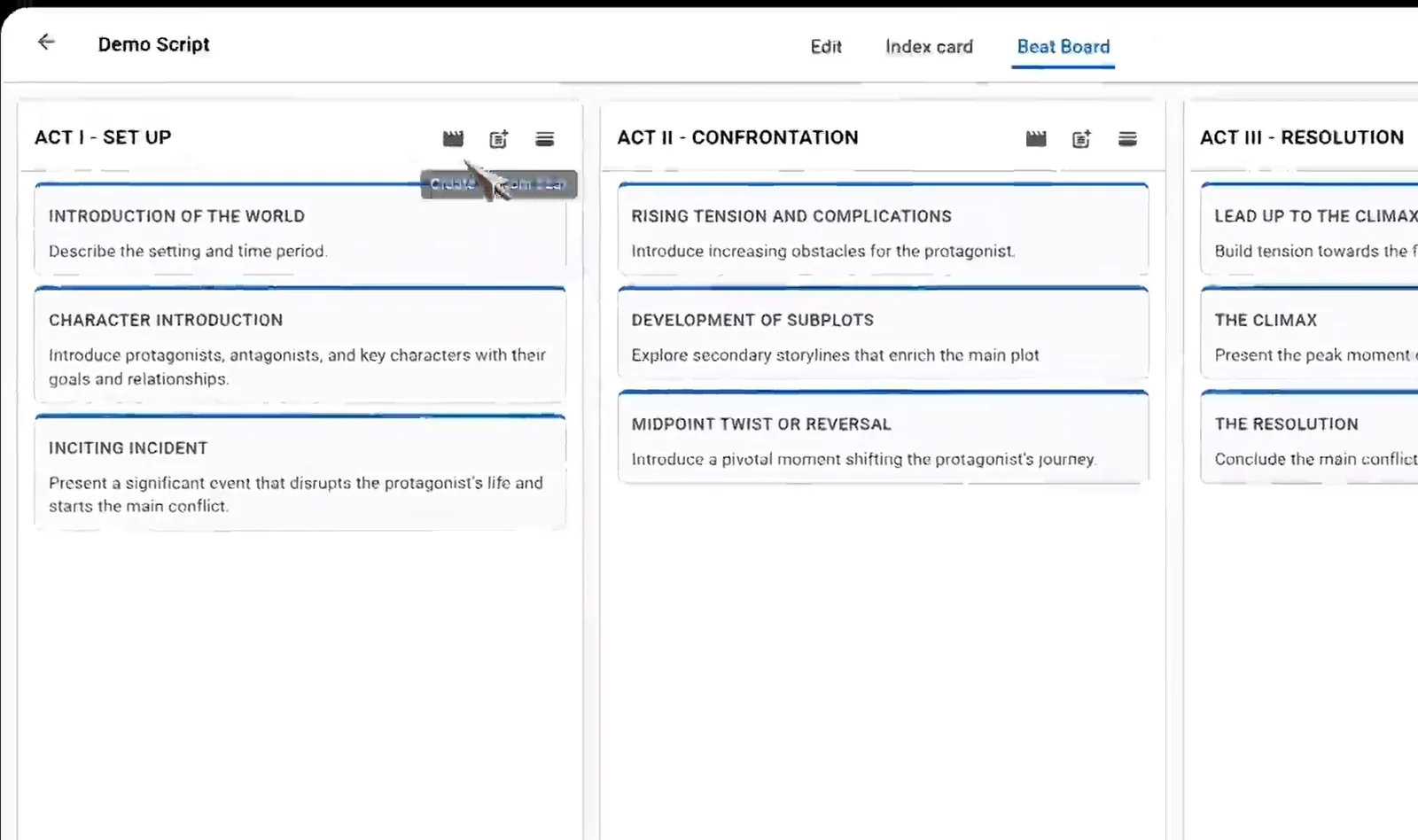
Here is how Studiovity’s beat board and index cards help you shape structure before you write pages, which is exactly where a cold open starts:
What a Cold Open Is
A cold open is the scene or short sequence that plays before the opening titles. On network shows it is often called the teaser, and it ends right before the first commercial break or title card. On streaming series the break may disappear, but the function stays the same: hook the viewer before they have a chance to leave.
A cold open is not a trailer and not a prologue that explains the world. It is a complete mini-story with a beginning, a turn and a button, and it makes a promise about the kind of show this will be.
Why Pilots Lean on Cold Opens
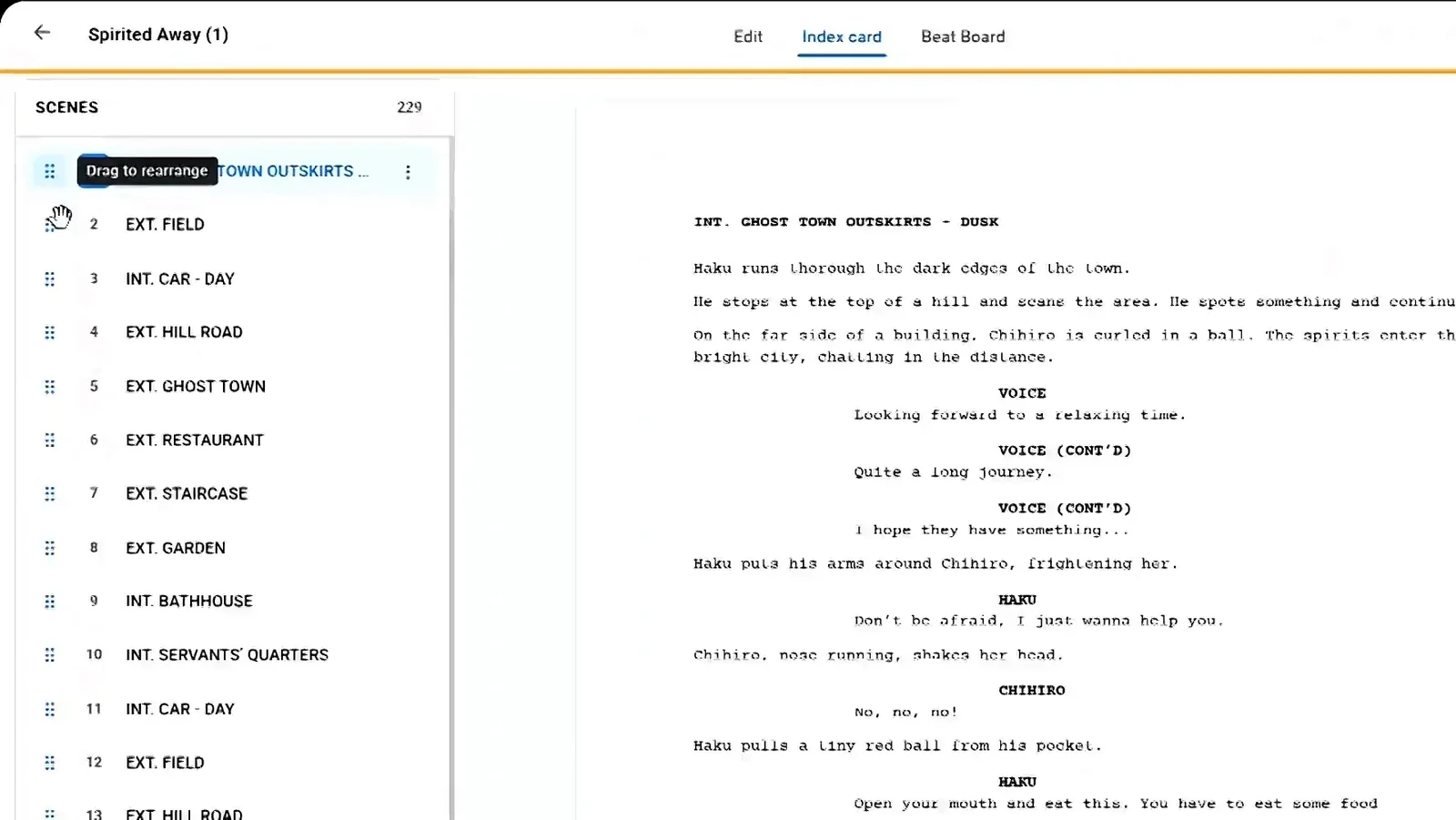
A pilot has more work to do than any other episode. It must introduce characters, set the tone, show the engine of the series, and still be entertaining. A cold open gives you a focused space to do one of those jobs extremely well before the episode settles into setup. Many writers sketch it on cards first, and Studiovity’s screenwriting software keeps those cards tied to the actual script pages.
If you are coming from features, note that TV structure is built around act breaks and episode engines. Our comparison of writing for film vs TV covers those differences in more detail.
Five Types of Cold Open
The incident
Something happens that the series will spend time dealing with: a body is found, a patient collapses, a deal goes wrong. Common in procedurals and thrillers.
The character moment
We meet the lead doing the thing that defines them. A comedy might show the protagonist failing in a very specific way. A drama might show their skill under pressure.
The flash-forward
Open on a dramatic moment from later in the story, then cut to “earlier.” It works when the journey to that moment is the hook, but it can feel like a trick if the payoff is weak.
The mystery image
A strange, unexplained image or event that the pilot does not fully answer. Useful for genre shows, but the audience still needs a reason to care.
The comedy runner
A self-contained bit that sets the tone and often pays off later in the episode. Many sitcom cold opens are short and almost independent of the A story.
How to Write a Cold Open, Step by Step
- Name the series question. Write one sentence about what the show keeps asking each week. The cold open should hint at it.
- Pick the single job. Hook with mystery, introduce the lead, or set the tone. Trying to do all three usually dilutes all three.
- Keep it short. Most pilot cold opens run one to five pages. Long cold opens risk feeling like a full act.
- End on a button. The last beat should be a turn, a reveal, a laugh, or a line that makes the viewer lean in. Then cut to titles.
- Connect to Act One. The first scene after the titles should feel like a consequence of, or a deliberate contrast with, the cold open.
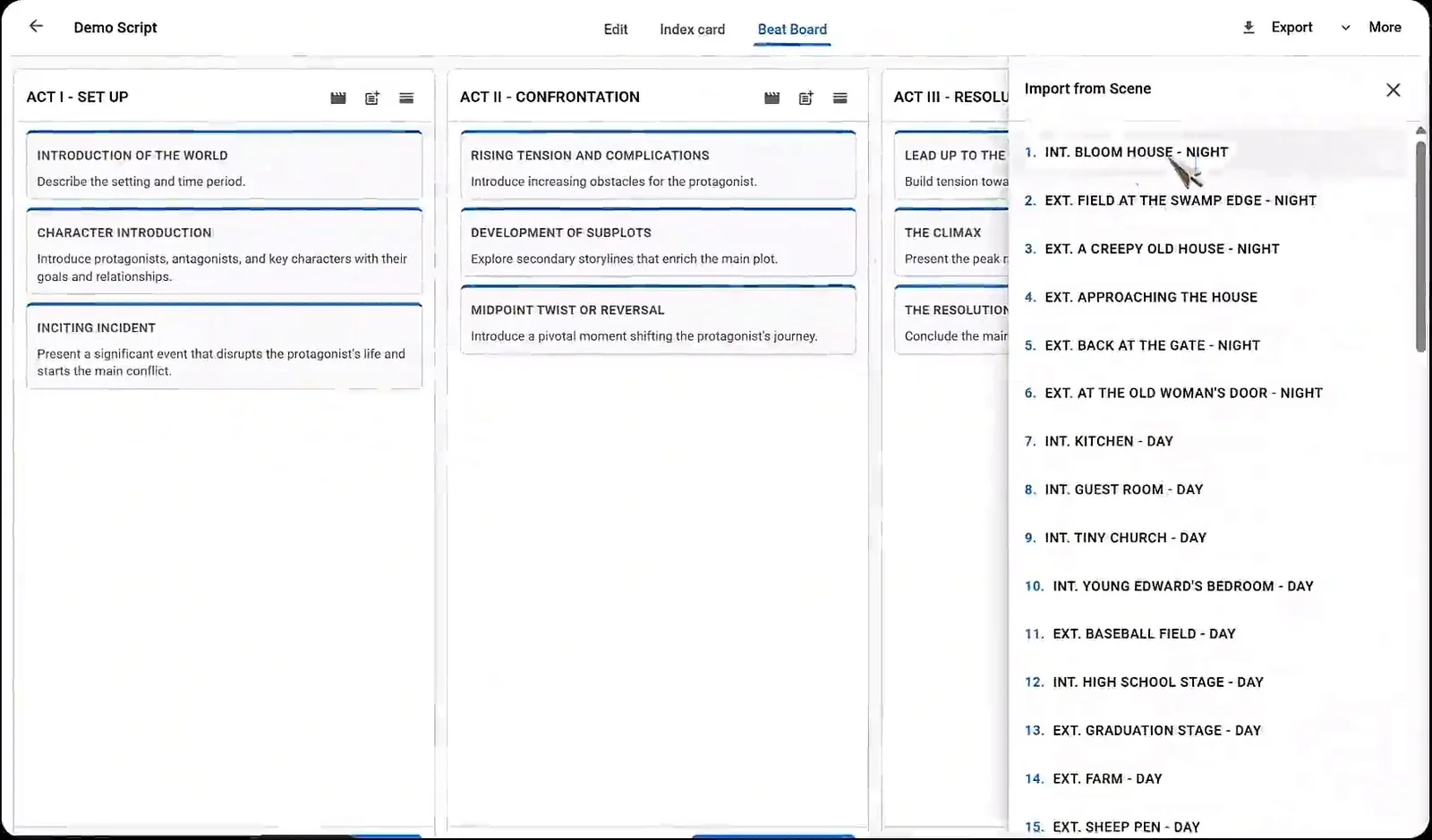
Planning those beats before you draft makes the pages faster to write. With the beat board and index cards in Studiovity, you can map the cold open as its own section above Act One and drag scenes around until the hook lands.
How to Format a Cold Open
Formats vary by show, but a clean pilot script usually labels the section so readers and producers can see the structure at a glance.
COLD OPEN

EXT. HIGHWAY REST STOP - NIGHT

A delivery van idles. The driver's door hangs open.

END OF COLD OPEN

ACT ONE
Use the act labels the way your target format does. Network-style scripts often start each act on a new page and end with END OF ACT ONE. Streaming scripts are often looser. Whichever you choose, stay consistent through the whole pilot.
Mistakes That Weaken a Cold Open
- Starting with exposition or a voice-over that explains the world.
- Introducing too many characters, so none of them stick.
- Building a big mystery that the pilot ignores until episode six.
- Ending flat, with no button before the titles.
- Writing a cold open that could belong to any show in the genre.
Strong openings in features follow many of the same rules. For more on hooks in general, see how to start a movie with an opening scene that hooks.
FAQ
Does every TV pilot need a cold open?
No. Many great pilots start straight into Act One. Use a cold open when a short, self-contained hook will help the reader commit to the series.
What is the difference between a cold open and a teaser?
In practice they are often the same thing. Teaser is the more traditional network term, while cold open is used across network and streaming.
Can the cold open feature characters who do not return?
Yes, especially in procedurals, where the cold open often follows a victim or witness. Just make sure the event drives the rest of the episode.
Plan and Write Your Pilot in Studiovity
A cold open works best when it is designed with the whole pilot in view. Start writing your pilot in Studiovity’s screenwriting software and use beat boards, index cards and auto formatting to build a hook that leads straight into Act One.