
Big-budget films often cost hundreds of millions of dollars. However, a large part of that money disappears because of delays, weather issues, scheduling conflicts, and unused resources. A single day of rain on a large movie set can waste thousands of dollars every minute. These hidden production problems quietly drain film budgets long before audiences see the final movie. Today, How AI in Filmmaking Is Reducing Costs Through Smart Budgeting has become a major topic across the entertainment industry.
For years, studios depended on traditional accounting methods to track expenses. Unfortunately, those systems only recorded costs after the money was already gone. Producers often discovered overspending too late to fix the issue. As a result, film productions regularly faced budget overruns and costly delays.
Today, artificial intelligence changes that process completely. Modern filmmaking technology now acts like a financial prediction system for producers. Much like a navigation app avoids traffic, AI tools detect production risks before they become expensive problems. Instead of simply tracking spending, AI helps filmmakers prevent waste in real time.
Industry reports suggest that better scheduling and predictive planning can reduce production expenses by nearly 15%. Those savings can determine whether a project succeeds or fails financially. Consequently, studios now separate necessary creative spending from avoidable financial waste more effectively than ever before. How AI in Filmmaking Is Reducing Costs Through Smart Budgeting continues to reshape production planning across the industry.
Why Movies Cost So Much: The Hidden Expenses AI Can Prevent
Film productions involve hundreds of moving parts. Actors, crew members, locations, permits, and equipment must all work together perfectly. Even a short delay can create massive financial losses. In traditional film budgeting, producers often relied on experience and guesswork to estimate production timelines. Unfortunately, inaccurate scheduling caused crews to sit idle while costs continued rising.
Today, AI-powered budgeting software studies years of production data to identify expensive patterns. These systems quickly detect common financial problems, including:
- Permit delays.
- Unplanned crew overtime.
- Equipment sitting unused on set.
- Transportation inefficiencies.
- Last-minute scheduling conflicts.
Because AI learns from previous productions, producers can avoid repeating costly mistakes. Instead of reacting to problems after they happen, filmmakers can now prevent them early. This improvement clearly shows How AI in Filmmaking Is Reducing Costs Through Smart Budgeting throughout the production process.
AI as a Digital Line Producer
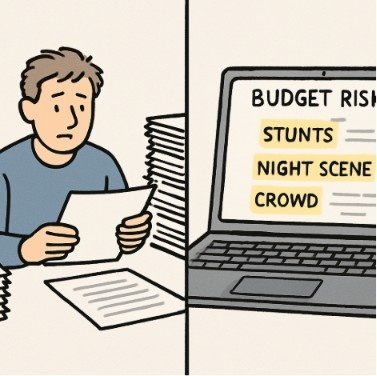
Traditional script breakdowns required producers to manually review every page of a screenplay. Teams spent weeks identifying props, costumes, vehicles, locations, and extras needed for production. Today, automated script breakdown software completes that work within minutes.
Modern AI tools scan scripts instantly and organize production requirements automatically. As a result, filmmakers save huge amounts of planning time. AI also identifies expensive scenes before production begins. For example, the software may warn producers that a helicopter sequence or complicated action scene could exceed the planned budget.
These early warnings help directors make smarter creative decisions. Instead of discovering problems during filming, teams can adjust plans before spending real money. Producers may replace expensive scenes with more affordable alternatives while protecting the overall creative vision.
Smarter Scheduling Prevents Expensive Delays
Scheduling problems remain one of the biggest causes of wasted film budgets. A simple weather delay can force productions to extend equipment rentals, reschedule actors, and pay overtime costs to crew members. Traditionally, producers handled these problems manually through phone calls and spreadsheets.
Today, AI scheduling software reorganizes production calendars instantly. If weather conditions change or an actor becomes unavailable, the system quickly creates an updated shooting plan. In addition, AI groups scenes more efficiently to reduce unnecessary travel and downtime.
This technology helps productions avoid expensive overtime disasters. Producers can also maximize location usage and equipment rentals more effectively. Consequently, How AI in Filmmaking Is Reducing Costs Through Smart Budgeting becomes especially visible during scheduling and resource management.
Virtual Production Reduces Travel Costs
In the past, filmmakers often traveled worldwide to capture specific environments. Productions spent massive amounts on flights, hotels, permits, and transportation. Weather delays created additional financial risks.
Today, virtual production technology offers a more affordable solution. Massive LED screens now display realistic digital environments directly behind actors during filming. Instead of traveling to remote locations, productions can recreate those settings inside a local studio.
This process also improves visual effects production. Directors can capture realistic backgrounds live on set instead of adding them months later in post-production. Furthermore, filmmakers can control lighting and weather conditions completely.
Traditional location shoots often include:
- Expensive international travel.
- Hotel costs for cast and crew.
- Weather-related delays.
- Foreign permits and insurance expenses.
Virtual production significantly reduces many of these costs. As a result, smaller productions can now create cinematic visuals that once required blockbuster budgets. How AI in Filmmaking Is Reducing Costs Through Smart Budgeting also appears clearly in virtual filmmaking workflows.
AI-Powered Location Scouting
Finding the perfect filming location once required expensive travel and long scouting trips. Directors and producers often visited multiple cities or countries before selecting a location.
Today, AI-powered location scouting tools simplify that process dramatically. These systems analyze screenplay descriptions and compare them against large image databases. Producers can search for exact visual requirements within seconds.
For example, filmmakers can quickly locate:
- Historic buildings.
- Desert landscapes.
- Urban city streets.
- Vintage diners.
- Forest environments.
This technology saves both time and money. Independent filmmakers especially benefit because they can explore global options without major travel expenses. Consequently, productions reduce their environmental impact while improving budget efficiency.
Real-Time Budget Tracking Stops Financial Leaks
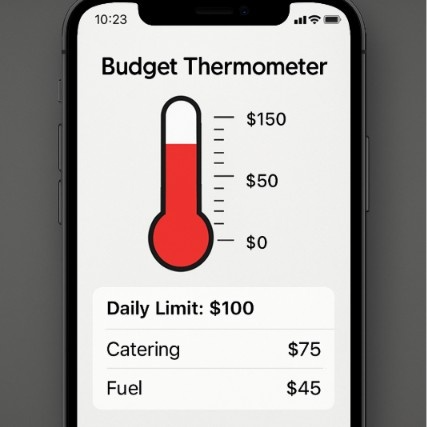
Many productions struggle because they discover overspending too late. Daily expenses such as fuel, catering, lighting rentals, and transportation can quietly exceed budget limits.
Modern AI budgeting systems solve this problem through real-time expense tracking. These platforms connect every department to a central financial dashboard. Producers can monitor spending instantly instead of waiting for weekly accounting reports.
AI systems also learn spending patterns during production. If a department begins overspending, the software sends immediate alerts. This visibility allows producers to fix financial problems before costs spiral out of control.
Real-time tracking creates stronger trust between producers, investors, and studios. Everyone gains a clear understanding of where the money goes throughout production.
Trimming the Fat in Post-Production: AI Video Editing and VFX Efficiency
Even after filming wraps, months of hard work remain in the editing room. Editors once spent countless hours reviewing raw footage manually. Today, AI video editing tools speed up that process dramatically.
Modern AI software analyzes transcripts, identifies strong emotional moments, and organizes footage automatically. As a result, editors can focus more on storytelling and less on repetitive technical tasks.
Generative AI also improves visual effects production. In the past, artists spent weeks performing tedious frame-by-frame cleanup work. Today, intelligent software automates many of these tasks, including:
- Removing unwanted background objects.
- Matching colors between cameras.
- Masking actors from backgrounds.
- Cleaning visual imperfections.
Reducing manual labor lowers post-production costs significantly. In addition, productions complete editing work much faster than before. How AI in Filmmaking Is Reducing Costs Through Smart Budgeting becomes highly visible during post-production workflows.
Casting by Numbers: Using AI to Reduce Talent Risk
Hiring famous actors often costs millions of dollars. However, celebrity casting does not always guarantee financial success. To reduce this uncertainty, producers now use machine learning to study audience engagement and market trends.
AI systems analyze an actor’s popularity across regions, demographics, and streaming platforms. These insights help studios predict potential audience interest more accurately.
This technology also helps independent filmmakers discover talented performers with loyal fan bases. Smaller productions can now make smarter casting decisions without relying entirely on expensive celebrities.
As a result, producers reduce financial risk before production even begins. Every casting decision becomes more strategic and data-driven.
Can AI Replace Human Producers?
Many people worry that artificial intelligence could replace filmmakers entirely. In reality, AI works best as a support tool rather than a creative replacement.
Human producers still guide storytelling, creative direction, and emotional decision-making. AI simply handles time-consuming logistical calculations and financial analysis. This support allows filmmakers to spend more time focusing on creativity.
Modern filmmaking technology does more than reduce costs. It also creates opportunities for independent creators. Lower production expenses allow smaller teams to produce ambitious projects that once required massive studio funding.
As financial barriers continue falling, more diverse voices can enter the industry. Independent filmmakers now have access to tools that were once available only to major studios.
The future of cinema will always depend on human creativity. However, AI will continue improving efficiency behind the scenes. The rise of AI in filmmaking is not about replacing the soul of cinema. Instead, it is about protecting creativity by reducing unnecessary financial waste.
How Studiovity Simplifies AI-Powered Film Budgeting
Studiovity helps filmmakers reduce production costs with powerful AI-driven pre-production tools built for modern film crews. From screenplay writing and AI script breakdowns to shooting schedules, shot lists, budgeting, call sheets, and storyboarding, the platform streamlines every stage of production planning. By automating repetitive tasks and improving scheduling efficiency, Studiovity helps filmmakers avoid costly delays, manage resources smarter, and keep productions on budget. Whether you are creating an indie short film or managing a large-scale production, Studiovity gives teams the tools needed to plan faster, collaborate better, and bring cinematic ideas to life with greater financial control.