
Imagine learning to drive using only a textbook, then being handed the keys to a Formula 1 car. According to industry veterans, this is the exact challenge facing recent graduates. They grasp the art of cinema, but a sustainable career in the film industry requires surviving the high-speed demands of a real crew. Indeed, film industry readiness for students is often hindered by this massive practical disconnect.
We all love the magic of the silver screen, yet making movies is a fiercely disciplined process. Truly bridging film theory and practical production skills demands more than just passion. It requires professional workflow integration—the digital nervous system connecting a writer’s script to a director’s daily schedule. Therefore, prioritizing film industry readiness for students ensures a smooth transition to real sets.
Enter Studiovity Education, a modern simulation environment designed to fix this disconnect. By practicing within a platform that organizes production chaos, students bypass messy spreadsheets and achieve true “Set-Ready” status long before graduation.
Empowering the Next Generation of Filmmakers
Studiovity Education provides institutions with an all-in-one, cloud-based ecosystem designed to streamline film school curricula. By integrating professional screenwriting, automatic AI script breakdowns, and dynamic scheduling into a single platform, it allows educators to monitor student progress in real time. This comprehensive toolset removes administrative friction, allowing students to focus entirely on creative execution and collaborative storytelling. Consequently, it establishes a reliable benchmark for film industry readiness for students.
Writing the Digital Blueprint: Why Collaborative Screenwriting is the New Industry Standard
We all recognize what a basic screenplay looks like, but writing one often feels like an isolated chore for students. Drawing the blueprints for a massive skyscraper without ever speaking to the construction crew leaves graduates unprepared for the fast-paced teamwork required in professional filmmaking.
Adopting collaborative screenwriting tools for educational institutions instantly transforms this lonely process. Real-time collaboration allows multiple creators to type in the same document simultaneously, mirroring the electric energy of a professional writers’ room. This shared digital space remarkably reduces confusing script version errors by 90%.
Studiovity Education helps classrooms easily build a Production-ready script—a perfectly formatted document that the production team can immediately use to shoot. Instructors can utilize practical screenwriting exercises for film students, including:
Co-writing a high-stakes dialogue scene together online.
Live-editing a peer’s action sequence for clarity.
Assigning specific characters to different writers within one shared file.
Armed with these modern teamwork skills, young creators graduate ready to thrive on any set. This hands-on collaboration directly fosters film industry readiness for students. Once the digital blueprint is complete, the crew must plan the actual shoot, which leads naturally into automating the ‘grind’: how digital script breakdowns save weeks of pre-production.
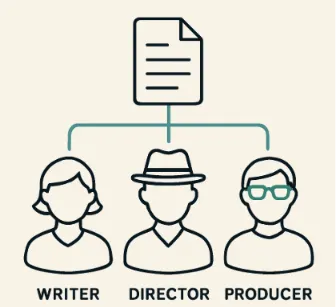
Automating the 'Grind': How Digital Script Breakdowns Save Weeks of Pre-Production
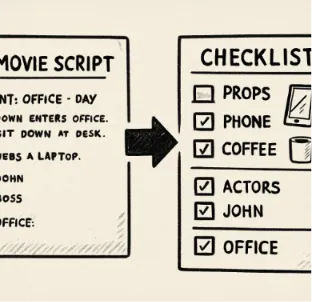
Baking a massive wedding cake requires extracting a precise shopping list of ingredients from the recipe. Historically, film students faced a similar logistical nightmare when combing through paper scripts to manually identify every required prop, actor, and location. This tedious labor often crushes creative momentum before cameras even roll.
This vital translation phase is called a Script Breakdown—the process of turning a written scene into an organized inventory. Without it, crews risk showing up to a location missing crucial items, causing expensive delays that ruin student shoots. Thus, mastering automated tools significantly boosts film industry readiness for students.
Industry-standard film pre-production software completely solves this disconnect. Specific Studiovity features for aspiring filmmakers utilize Element Tagging to automatically highlight essential items right inside the digital text. This powerful automation reduces breakdown time from grueling days to mere minutes while effortlessly eliminating the human errors that derail early projects.
Mastering professional script breakdown techniques gives graduates the confidence to link a writer’s imagination directly to a producer’s physical reality. Once all the necessary ingredients are neatly organized and accounted for, the production team must determine exactly when to film them, leading directly into mastering professional call sheets and scheduling.
Speaking the Universal Language: Mastering Professional Call Sheets and Scheduling
Once you have your ingredients organized, you need a precise timetable to actually cook the meal. Transitioning from a script breakdown to a working professional film production workflow requires mastering time management. Picture coordinating dozens of people, locations, and equipment rentals; without a solid plan, a busy movie set quickly devolves into expensive chaos.
This daily coordination relies on a Call Sheet—the universal daily schedule telling everyone exactly where to be and when. Learning how to create professional call sheets and schedules ranks among the most essential skills for entry-level film production jobs. Because schedules dictate the entire crew’s day, this training is central to film industry readiness for students. To earn the immediate respect of a professional crew, this document must clearly feature four non-negotiables:
Call times (when each person must arrive)
Location details (including parking logistics)
The daily weather forecast
The specific scenes being filmed
Zooming out from the daily tasks, the overarching shooting schedule acts as a broader roadmap for the entire project. Modern software empowers students to build a production schedule that accounts for sudden real-world set delays, like unexpected rainstorms or broken equipment. By shifting from messy paper spreadsheets to smart digital tools, young creators can adapt their plans instantly.
Handing a flawless schedule to a producer on day one proves a young filmmaker is ready to lead. Gaining the confidence to direct a crew using industry-standard documentation transforms anxious beginners into capable leaders. This practical mastery ultimately paves the way toward the modern film school: transforming students into “set-ready” professionals.
The Modern Film School: Transforming Students into 'Set-Ready' Professionals
Leaving theory-heavy classrooms for high-speed professional movie sets can be a stressful jump. Today, educational leaders are closing this gap by modernizing film school curriculum with technology, placing a major emphasis on film industry readiness for students.
Rather than burying young creators in endless paperwork, connected software streamlines grueling administrative tasks. By improving student film project management efficiency, schools cut down the time spent hunting for lost documents or retyping budgets. This smart shift means students spend more hours actually filming and less time pushing paper.
The real secret to a graduate’s job-market value lies in achieving industry-standard proficiency—the ability to confidently speak the universal language of professional crews. The true benefits of using digital tools in film education become clear the moment a graduate walks onto their first paid job. They already know how the digital nervous system of a modern blockbuster works.
Ultimately, a tech-integrated education turns anxious beginners into confident, employable filmmakers.
Your Action Plan for a Career in Film: From Classroom to Professional Set
Transitioning from film school to professional sets requires practical preparation. Mastering digital workflows, organizing production breakdowns, and coordinating team schedules transforms a theoretical student into a set-ready professional. Technology serves as the bridge to true creative freedom.
When preparing for a career in the film industry, take three decisive steps. First, map your next script using professional digital blueprints. Next, organize your crew within a shared digital workspace. Finally, use platform simulations to mirror a real-world production environment long before you call action. Implementing these steps is the ultimate strategy for achieving film industry readiness for students.
Utilizing collaborative platforms serves as an excellent training ground. Mastering the universal language of cinema provides the foundation needed to step onto professional sets with confidence and competence.