
You’ve got the script, the cast, and the vision, but now comes the part that keeps every indie filmmaker awake: the math. Staring at a blank spreadsheet quickly kills creative momentum, especially when researching the Best Free Movie Budgeting Software for Indie Filmmakers in 2026. Industry data shows that outdated manual documents often hide costly errors. Forgetting one simple lunch expense for your crew can derail an entire shoot day.
Think of your budget as a financial roadmap, much like a household grocery list that separates essential staples from luxury items. Movie costs split into two main buckets: Above-the-Line (ATL), which covers directors and lead cast, and Below-the-Line (BTL), which includes camera gear and catering. Understanding this division separates creative dreams from fiscal reality.
Modern film production management tools remove manual guesswork by acting as your digital CFO. A virtual accountant works behind the scenes while calculations update automatically, so you can focus on the story. By 2026, professional standards have shifted away from isolated spreadsheets toward intelligent cloud-based systems.
Finding the right platform bridges the gap between amateur hobbyist and investor-ready producer. Because it links your script directly to expenses, Studiovity ranks among the Best Free Movie Budgeting Software for Indie Filmmakers in 2026. The system transforms an intimidating chore into an empowering strategy that helps greenlight your project.
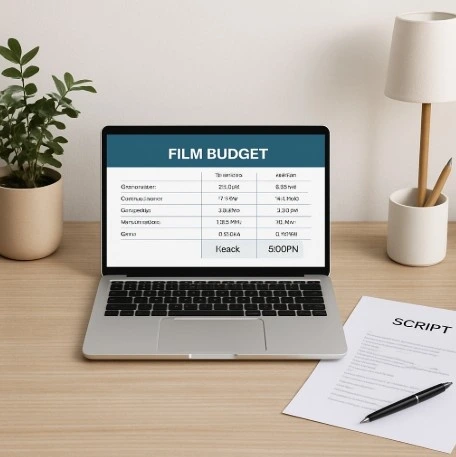
Why Spreadsheets are Killing Your Creative Spark: The Hidden Costs of 'Free' Manual Tools
Most emerging creators start out managing finances with generic spreadsheets. However, using them for film department expenses online often becomes a logistical nightmare once pre-production begins.
The biggest trap is version-control drift. This chaos appears when multiple people edit downloaded copies of the same file. Imagine planning a home renovation where the plumber and electrician use different blueprints. When your producer updates a rental price on their laptop, but your director checks “Final_Budget_v4.xls” on their phone, costly mistakes become inevitable.
Manual data entry also invites hidden errors that quietly drain funds. In fact, these mistakes often create a 15% budget drift, which means productions spend more than planned. Transitioning from rough estimates to precise line items quickly reveals where basic documents fail. Watch out for these four common spreadsheet errors that lead to overspending:
- Accidentally deleting a SUM formula when adding a new row.
- Forgetting to update outdated gear rental prices from a previous project.
- Losing track of hidden rows containing critical insurance fees.
- Failing to link daily catering costs to your actual shooting schedule.
Escaping this trap means adopting software built for real-time expense tracking on film sets. By moving away from rigid grids, filmmakers can focus on reducing overhead in independent film production instead of hunting down broken formulas. Therefore, understanding modern production software standards is essential before choosing a platform.
The 2026 Essentials: What to Look for in a Free Budgeting Tool
You’ve left the chaotic spreadsheet behind, but upgrading to a digital calculator alone will not solve production challenges. In 2026, indie filmmakers need software that acts as a proactive financial partner. Just like relying on a smart thermostat instead of a basic thermometer, your tool should guide decisions in real time.
Predicting expenses is no longer reserved for major Hollywood studios. Today, AI-driven financial forecasting helps filmmakers understand how a small change, such as extending a lighting rental, impacts the entire budget. Combined with real-time tracking, this foresight becomes critical for managing post-production costs on low-budget movies. Instead of discovering a budget problem months later, filmmakers receive immediate warnings while they still have time to pivot.
Presentation matters as much as accurate math when pitching investors. Your numbers must follow recognizable formats to build trust instantly. Software with built-in free AICP budget templates ensures your bottom line looks polished and professional. As a result, even first-time producers can appear experienced and prepared.
Make sure your chosen platform includes these five non-negotiable features:
- Cloud Sync: A single source of truth where the whole team sees updates instantly.
- Script Breakdown: Automatic linking between written scenes and estimated expenses.
- AI Estimates: Smart suggestions for crew rates and gear prices.
- Mobile Access: Mobile-first accounting to approve unexpected on-set costs from your phone.
- Professional Export: One-click generation of investor-ready documents.
Finding all these premium capabilities without expensive subscriptions may sound impossible. Fortunately, the independent software landscape has shifted to support grassroots storytelling with accessible professional tools. That shift has made the Best Free Movie Budgeting Software for Indie Filmmakers in 2026 more accessible than ever.
Why Studiovity is the 2026 Gold Standard for Free Film Budgeting
After finishing a script, filmmakers should not manually retype every prop, actor, and location into a separate financial document. This frustrating double work explains why many creators consider Studiovity the easiest film budgeting platform for beginners. It transforms a tedious administrative task into an intuitive process that respects creative energy.
The platform treats the screenplay as the foundation of the financial roadmap. Because creators already understand script formatting, they can start building numbers immediately. The software acts as an automatic connector for the project. It reads scene headings and characters while preparing a background list of expenses.
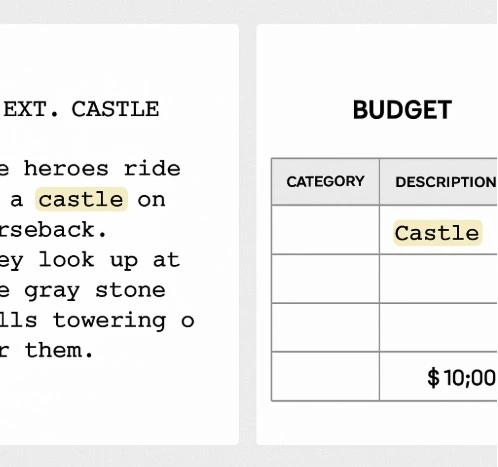
To see this in action, imagine highlighting the words “EXT. CASTLE” directly inside the script. With one click, Studiovity’s breakdown tags capture that location and instantly create a matching budget line item. When comparing Studiovity with traditional accounting software, this workflow makes older tools feel outdated. Filmmakers no longer need to copy and paste location rental fees.
This seamless workflow often saves indie creators more than twenty hours of manual data entry per project. Think of it like using a smart grocery app where selecting a recipe automatically adds every ingredient to your shopping cart. One reason Studiovity stands among the Best Free Movie Budgeting Software for Indie Filmmakers in 2026 is its ability to auto-populate expenses into standard industry categories.
Collaborative tools inside the interface also keep producers and directors aligned on real production costs. Because the software acts as a cloud-synced single source of truth, everyone views the same numbers in real time. If a director adds another background actor to a scene, the producer’s budget updates immediately.
This level of automation gives filmmakers the confidence to pitch investors like seasoned producers. While Studiovity sets the standard by eliminating manual data entry, exploring the broader software ecosystem still helps filmmakers address different production needs.
Best of the Rest: Evaluating Top-Rated Free Alternatives
A basic Google Sheets template might support a $500 weekend short, but it becomes a liability as productions grow. Creators searching for alternatives to Movie Magic Budgeting often encounter rigid offline spreadsheets. Without automatic updates, forgetting to add one extra day of camera rental can disrupt the entire financial roadmap. As a result, filmmakers spend more time managing documents than directing.
Platforms like Celtx also appear frequently when discussing the Best Free Movie Budgeting Software for Indie Filmmakers in 2026. They provide cleaner interfaces than Excel and offer basic category organization. However, free tiers on older systems often limit how effectively scripts connect with financial breakdowns. These tools resemble simple household calculators. They help with quick totals, but they struggle with the moving parts of a real production.
When migrating from legacy tools to modern platforms, evaluate every option using these four pillars:
- Ease of Use: Does it require advanced accounting knowledge?
- Collaboration: Can producers see live updates instantly?
- Script Integration: Do story changes update production costs automatically?
- Professional Templates: Does the software generate investor-ready formats?
Making the early leap to a modern cloud workspace prevents the headache of transferring data later. Basic templates offer a decent starting point, but they rarely provide the automated integrations that save indie filmmakers valuable time. Therefore, adopting modern production software early creates long-term efficiency.
From Script to Line Items: A 5-Step Guide to Your First Professional Budget
Reviewing a locked script filled with compelling scenes and characters feels exciting, but assigning dollar values to that vision can seem overwhelming. You already understand your story; however, the next challenge involves translating it into a language investors recognize. Learning how to create a professional film budget for free helps bridge that gap without requiring advanced accounting knowledge.
Turning creative ideas into tangible line items requires a clear and systematic process. To create a strong financial document, follow this proven workflow:
- Breakdown: Identify every physical element in the script.
- Categorize: Group elements into standard industry accounts.
- Estimate: Assign realistic costs to each item.
- Contingency: Add a financial safety net.
- Review: Generate a summary for stakeholders.
Modern platforms simplify the early stages by creating a collaborative script breakdown and budgeting workflow. They automatically pull cast members, props, and locations into expense categories. As the budget develops, filmmakers also create a Top Sheet, which summarizes total production costs in one clear overview. During estimation, remember to include fringe benefits, such as payroll taxes and worker insurance.
Protecting your project from disaster makes the fourth step essential. Always calculate at least a 10% contingency fund to cover unexpected production delays, such as bad weather disrupting a scheduled shoot. Think of contingency planning like an emergency fund for a home renovation. You may never need it, but it prevents the project from collapsing if problems appear.
Finally, reviewing the completed budget ensures every number makes logical sense before pitching financiers. Mastering these steps transforms intimidating budgeting software into a valuable production asset. As a result, first-time line producers gain the confidence to defend every dollar of their financial plan.
Conclusion: Turning Your Spreadsheet into a Screenplay Reality
You no longer need to stare at a blank spreadsheet wondering how to fund your vision. By leveraging the best free movie budgeting software for indie filmmakers, creators can transform accounting stress into investor confidence. Studiovity stands out because it removes the tedious double work of manual data entry. Since it connects scripts directly to financial planning, filmmakers gain more time to focus on storytelling while preparing for advanced strategies like optimizing film production tax incentives.
Take the next step by importing your latest script into a modern budgeting platform. Your next great idea does not need to stall during the funding stage. With a professional production-ready budget, you gain the foundation needed to elevate your creative career while ensuring financial planning supports your filmmaking goals.