
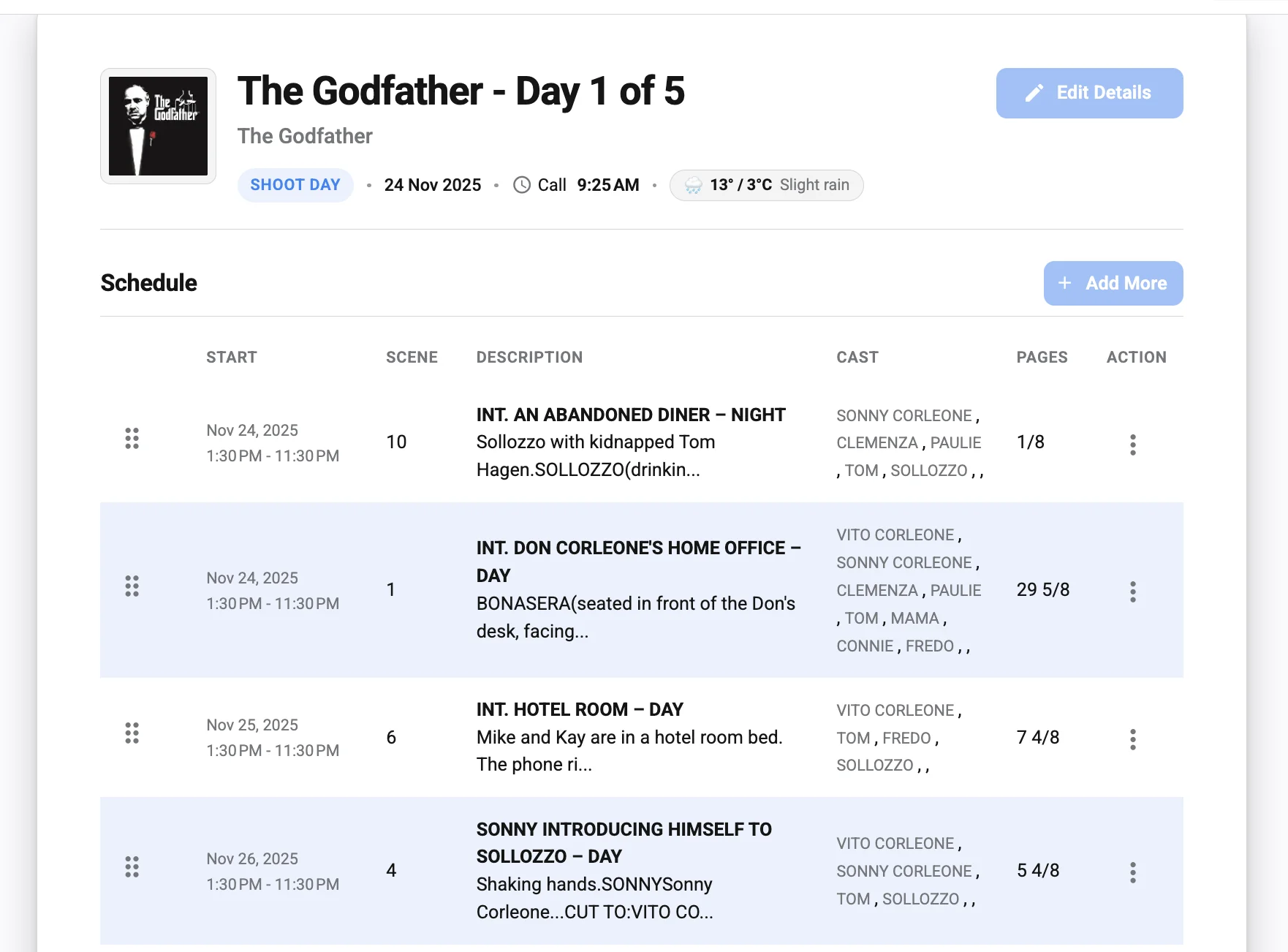
A film call sheet is more than a daily schedule; it is the production team’s shared operating plan for where people need to be, when they need to arrive, what scenes are being filmed, and what risks could affect the day. When a shoot takes place outdoors, weather and location conditions can reshape that plan quickly. A strong call sheet helps the crew respond with less confusion by putting forecasts, safety notes, parking details, contingency plans, and communication channels in one practical document. This guide explains how weather and outdoor locations affect your film call sheet so crews arrive ready for the forecast, the site, and the backup plan. Teams that want those details in one shared document can start with Studiovity call sheet software.
Why does weather matter so much on a film call sheet?
Weather matters because it affects nearly every moving part of an outdoor production: light, sound, safety, travel, equipment, continuity, cast comfort, and the order in which scenes can be filmed. Even a mild forecast can change the pace of the day if clouds roll in during a golden-hour scene, wind interferes with dialogue, or rain makes a location unsafe. That is why the film call sheet weather impact should be treated as a planning priority, not a small note at the bottom of the page.
A call sheet does not control the weather, of course. What it can do is make the production’s response clearer before anyone arrives on set. If the forecast suggests high heat, the call sheet can highlight hydration, shaded holding areas, makeup touch-up needs, and adjusted break expectations. If rain is possible, the same document can identify cover sets, weather gear, wet-weather parking instructions, and who has authority to make a delay decision.
Outdoor filmmaking rewards preparation. The crew may still need to adapt in the moment, but a detailed call sheet gives everyone a shared starting point. That alone can save time, reduce duplicated questions, and help department heads make decisions that support the same plan.
Weather forecasts turn uncertainty into usable production information
Weather forecasts are essential because they translate an unpredictable outdoor environment into information the production team can act on. A forecast is not a guarantee, but it helps the assistant director team, production manager, cinematographer, location department, and producers decide how to structure the day. The most useful call sheets do not simply say "rain possible." They explain what the forecast means for the production.
For example, a 30% chance of rain may not sound dramatic, but it matters if the shoot includes a large exterior setup, exposed lighting equipment, a child actor, an animal, a drone, period wardrobe, or a scene that must visually match footage from a previous sunny day. Wind speed matters if the crew is using large diffusion frames, cranes, flags, tents, lightweight set dressing, or sensitive microphones. Temperature matters if performers are in heavy costume, the crew is working on asphalt, or equipment batteries are likely to drain faster in cold conditions.
A practical weather section on a call sheet may include:
- Expected high and low temperatures so departments can prepare wardrobe, makeup, hydration, warming stations, or cooling plans.
- Chance and timing of precipitation so the team knows when rain is most likely to affect company moves, exterior scenes, or equipment setup.
- Wind speed and gusts because wind can affect sound recording, lighting safety, drones, grip equipment, hair, wardrobe, and set dressing.
- Sunrise, sunset, and golden-hour windows so the schedule reflects real daylight availability.
- UV index or heat concerns when the crew will spend long hours exposed to direct sun.
- Severe weather warnings with clear instructions on where to shelter and who communicates updates.
The goal is not to overload the call sheet with meteorological data. The goal is to include the weather details that change behavior. If a detail affects timing, safety, equipment, or continuity, it belongs in the production conversation and often on the call sheet.
Outdoor locations add variables that studio shoots do not
A studio environment is built for control. An outdoor location is built for life, traffic, noise, neighbors, tides, insects, pedestrians, changing light, uneven ground, and unexpected interruptions. This does not make outdoor filming a problem; it makes location planning a discipline. The call sheet becomes the daily tool that turns that discipline into clear instructions.
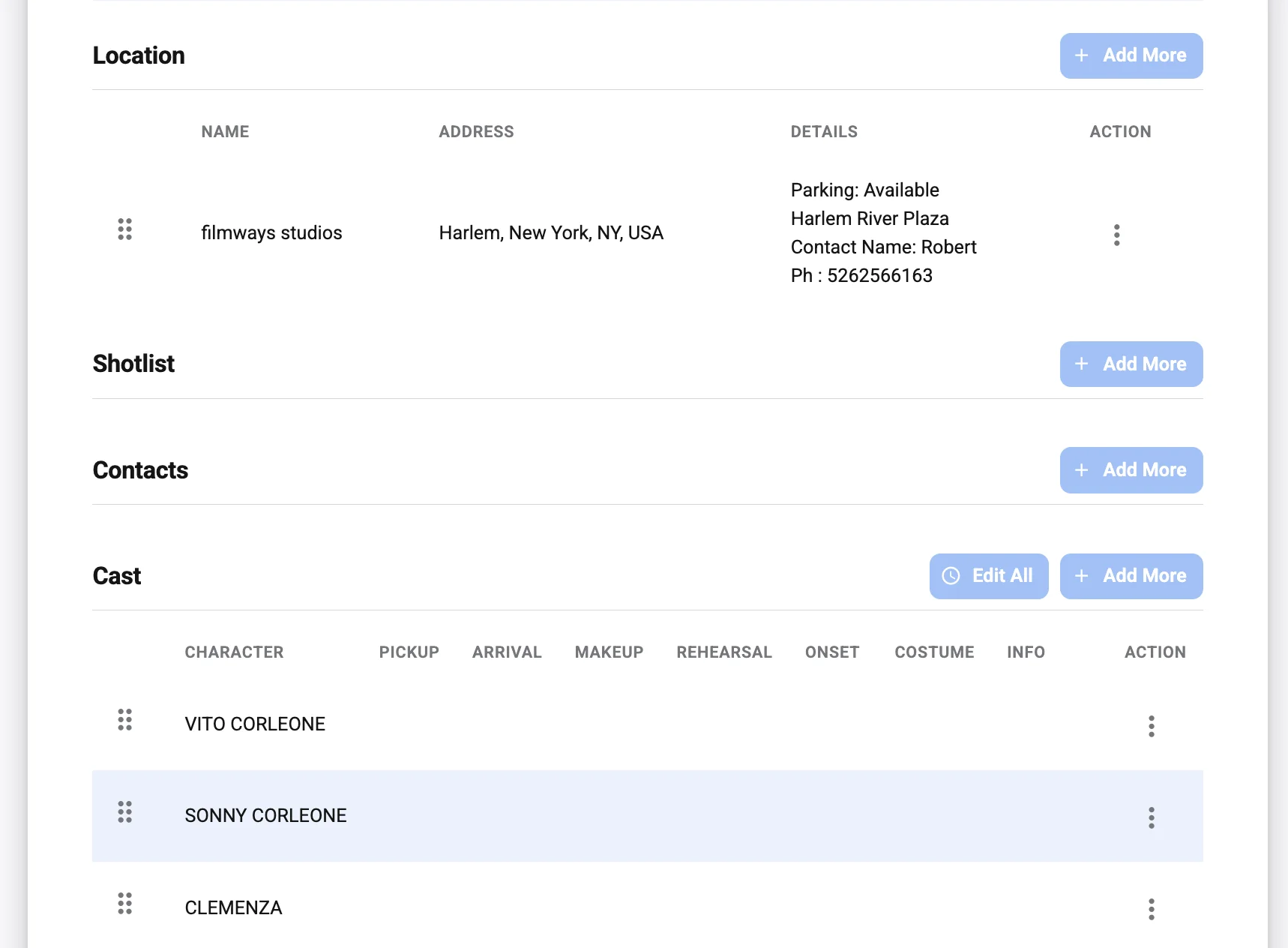
For outdoor locations, the address alone is rarely enough. Crew members need to know where to park, where to unload, where base camp sits, where restrooms are located, where cast holding is, where catering is, and how long it takes to walk from one area to another. A location may look simple on a scout, then become complicated on the shoot day because trucks cannot turn around easily, background noise increases during business hours, or the sun hits the set from an unexpected angle.
The call sheet should also reflect the character of the location. A beach shoot may need tide notes, sand protection for gear, wind expectations, and extra travel time from parking to set. A forest shoot may need insect protection, terrain warnings, limited cell-service notes, and clear emergency access information. A city street shoot may need permit references, traffic control details, holding areas, nearby business considerations, and sound warnings.
These details are not filler. They protect the schedule by reducing preventable confusion. When the crew knows the practical realities of the location before arrival, the day starts with fewer surprises.
The schedule should flex around light, weather, and risk
A call sheet schedule is strongest when it reflects the conditions of the day rather than an ideal version of the day. Outdoor scenes are especially sensitive to daylight and weather shifts, so scene order should be built around the most fragile requirements first. If a scene needs direct morning light, a dry field, or a clean skyline, the call time and shooting order should support that priority.
This is where collaboration between departments becomes critical. The assistant director team may build the schedule, but they need input from the director, cinematographer, production design, locations, sound, wardrobe, hair and makeup, and production management. Each department may see a weather-related issue from a different angle. Sound may be concerned about wind and traffic. Camera may be concerned about changing cloud cover. Wardrobe may be concerned about rain damage or visible sweat. Locations may be concerned about access roads after heavy rain.
Useful schedule adjustments can include:
- Front-loading vulnerable scenes. Film the shots most dependent on specific weather, light, or location access before conditions are likely to change.
- Grouping covered setups. Keep interior, covered, or less weather-sensitive scenes available as backup options.
- Protecting company moves. Avoid moving the full crew during the period when storms, traffic, or extreme heat are expected to peak.
- Adding realistic setup time. Wet ground, long walk-ins, heat breaks, and wind precautions can slow down normal setup speed.
- Building decision points. Identify moments when production leadership will reassess the forecast and choose whether to continue, pause, or switch plans.
The call sheet should make those choices visible. A crew can work faster when people understand not only the order of the day, but the reason behind that order.
Safety notes belong near the center of the plan
Weather and location details are not only logistical. They are safety concerns. A hot day can cause dehydration or heat illness. A cold night shoot can create fatigue and exposure risks. Rain can make cables, stairs, slopes, and roads hazardous. High wind can turn equipment, tents, signage, and set dressing into safety problems if they are not properly secured.
A call sheet should never replace a formal safety plan, but it should point people toward the safety information they need for that day. If the production has specific weather concerns, the call sheet should identify them in plain language. Avoid vague notes such as "be careful." Instead, use instructions people can follow.
Examples of useful safety notes include:
- Bring waterproof footwear; ground may be muddy around the set entrance.
- Use designated walking paths only; uneven terrain beyond marked areas.
- Hydration station located near base camp and at set.
- Wind precautions in effect for pop-up tents, flags, and overhead gear.
- Lightning protocol: production will move cast and crew to designated shelter if instructed by the safety lead.
- Limited cell service; use assigned radio channels for urgent communication.
- Night exterior: headlamps or flashlights recommended for crew working away from lit areas.
These notes should be easy to find. If severe weather is possible, the safety section should not be buried where only a few people will notice it. The more urgent the risk, the clearer the formatting should be.
What should be included when weather may affect the shoot?
When weather may affect the shoot, the call sheet should include the forecast, the most likely production impact, department-specific preparation notes, safety instructions, backup plans, and the communication process for updates. It should answer the practical questions crew members will ask before they leave home: What should I bring? Where should I go? What might change? Who will tell me if the plan changes?
A strong weather-aware call sheet often includes the following sections or details:
Forecast summary
The forecast should be brief but useful. Include the weather conditions that matter to the shoot: rain windows, wind, temperature, sunrise, sunset, and any alerts. If the forecast is uncertain, say so in a practical way, such as "Scattered showers possible after lunch; exterior scene order may change."
Location access notes
Outdoor weather can change how people reach the set. Rain may affect dirt roads, parking fields, loading zones, or pedestrian paths. Snow, ice, flooding, or high heat can also slow travel. The call sheet should explain any special parking, shuttle, or load-in instructions so the day does not begin with calls from lost or blocked crew members.
Department preparation
Different departments experience the same weather differently. Wardrobe may need doubles, rain covers, or warming layers. Makeup may need anti-shine, sweat control, or cold-weather skin prep. Camera and grip may need weather protection, sandbags, covers, and safe storage zones. Sound may need wind protection and alternate mic strategies. These notes do not need to be long, but they should prompt the right preparation.
Backup plans
If the production has a cover set, alternate scene order, tented area, or weather hold plan, the call sheet should mention it clearly. Crews can handle changes better when they know a change is possible. Silence creates uncertainty; a simple backup note creates readiness. Those backups live on the sheet; the schedule-side versions are cover sets parked as backup interiors and weather holds and contingency daybreaks.
Update process
The call sheet should make it clear who sends weather-related updates and where they will appear. That may be through an updated digital call sheet, text alert, email, radio announcement, or department head chain. Without a clear update process, outdated information spreads quickly.
Continuity depends on the sky as much as the script
Continuity is often discussed in terms of props, wardrobe, hair, makeup, and blocking, but weather is a major continuity factor on exterior shoots. A scene filmed over several hours can look mismatched if the sky changes from bright sun to heavy clouds. Wet pavement, windblown hair, shifting shadows, visible breath, sweat, and changing background activity can all affect whether shots cut together smoothly.
The call sheet helps protect continuity by making environmental conditions part of the plan. If a scene must match footage shot earlier, note that requirement. If the previous footage was filmed in overcast weather, a sudden sunny day may require diffusion, schedule changes, or a discussion with the cinematographer and director. If a rain scene involves wet-downs or natural rain, the timing and reset needs should be reflected in the day’s expectations.
Continuity notes are especially useful when the crew is returning to a location after a gap. The call sheet can remind departments that the scene must match a previous weather state, ground condition, costume condition, or time of day. These reminders reduce the chance that the team discovers a mismatch only after cameras are ready.
Communication prevents small weather problems from becoming big delays
Weather-related delays often become worse when information travels unevenly. One department may know a storm is approaching while another continues setting up exposed gear. A producer may approve a delayed call time, but a few crew members may still be on the road because the update did not reach them. The call sheet should support a single communication rhythm.
For outdoor shoots, identify the decision-makers and the chain of communication. The first assistant director, unit production manager, producer, safety lead, or location manager may all play a role depending on the production structure. What matters is that the call sheet tells people where official updates come from.
A simple communication checklist can help:
- Name the primary weather contact or department responsible for monitoring updates.
- State the official update channel so crew members do not rely on rumors or old messages.
- Include emergency contacts and nearest medical or shelter information when relevant.
- Clarify radio channels for production, locations, transportation, and safety.
- Mark revision numbers or timestamps if call sheets are updated digitally.
- Tell crew what not to do, such as moving vehicles, leaving location, or striking equipment without department approval.
The call sheet should create confidence that if the plan changes, people will hear about it in a reliable way. That confidence matters on a long exterior day, especially when the weather is moving faster than the schedule.
Location logistics shape the entire crew experience
An outdoor location affects the production before the first shot is set up. Travel time, parking distance, restrooms, food service, holding areas, power access, and cell reception all influence whether the day runs smoothly. The call sheet is the place to bring those details together.
A beautiful remote location can become frustrating if crew members do not know that parking is fifteen minutes from set, carts are limited, or cell service drops near base camp. A city location can create its own challenges if loading zones are strict, crew vehicles must avoid residential streets, or business access must remain clear. These are not minor details when dozens of people and vehicles are involved.
Location notes should be written for someone who has never been there. That means using clear landmarks, simple arrival instructions, and realistic walking or shuttle expectations. If the route is confusing, include a map link or note that signage will be posted. If weather may affect the route, say so. A muddy walk-in, steep trail, or exposed sun path changes what people wear, carry, and prepare for.
Equipment planning changes with every environment
Outdoor weather can put pressure on equipment long before the camera rolls. Moisture can affect electronics. Wind can make overhead materials unsafe. Heat can challenge batteries, monitors, makeup supplies, and crew stamina. Cold can slow hands, drain batteries, and make metal equipment uncomfortable or risky to handle.
The call sheet should not attempt to replace department prep lists, but it can flag environmental factors early enough for departments to prepare. If rain is possible, camera, grip, electric, sound, and production teams may need covers, mats, tents, cable protection, and dry storage. If wind is expected, grip and electric may need extra ballast and may reconsider certain rigs. If the location is sandy, dusty, or muddy, departments may need cleaning supplies, protective cases, and more time for load-out.
The practical value is simple: when departments know the conditions, they can bring the right gear and avoid last-minute scrambling. That is one of the clearest examples of film call sheet weather impact in action. The document turns environmental risk into department readiness.
A weather-aware call sheet template makes planning easier
Productions do not need to reinvent the call sheet for every outdoor shoot. A reusable template can make sure the team remembers the most important weather and location fields, then customizes them for each day. The template should be detailed enough to guide planning but flexible enough to avoid clutter.
A useful outdoor call sheet template may include:
- Forecast and weather alerts – Helps the crew prepare for rain, wind, heat, cold, and severe conditions.
- Sunrise and sunset – Supports daylight scheduling and realistic wrap expectations.
- Scene order with weather sensitivity – Shows which scenes depend on specific light, dry conditions, or continuity.
- Parking and access instructions – Reduces late arrivals and confusion at remote or complex locations.
- Safety notes – Highlights terrain, heat, cold, lightning, water, wildlife, or limited visibility risks.
- Backup or cover plan – Keeps the crew ready if the schedule changes.
- Department-specific notes – Helps camera, sound, wardrobe, makeup, locations, and production prepare properly.
- Update process – Clarifies how changes will be communicated and who makes official decisions.
The best templates are easy to scan. Crew members often read call sheets quickly, sometimes on a phone, early in the morning, or between tasks. Clear headings, concise notes, and consistent formatting make important information easier to absorb.
Digital call sheets are especially useful for changing conditions
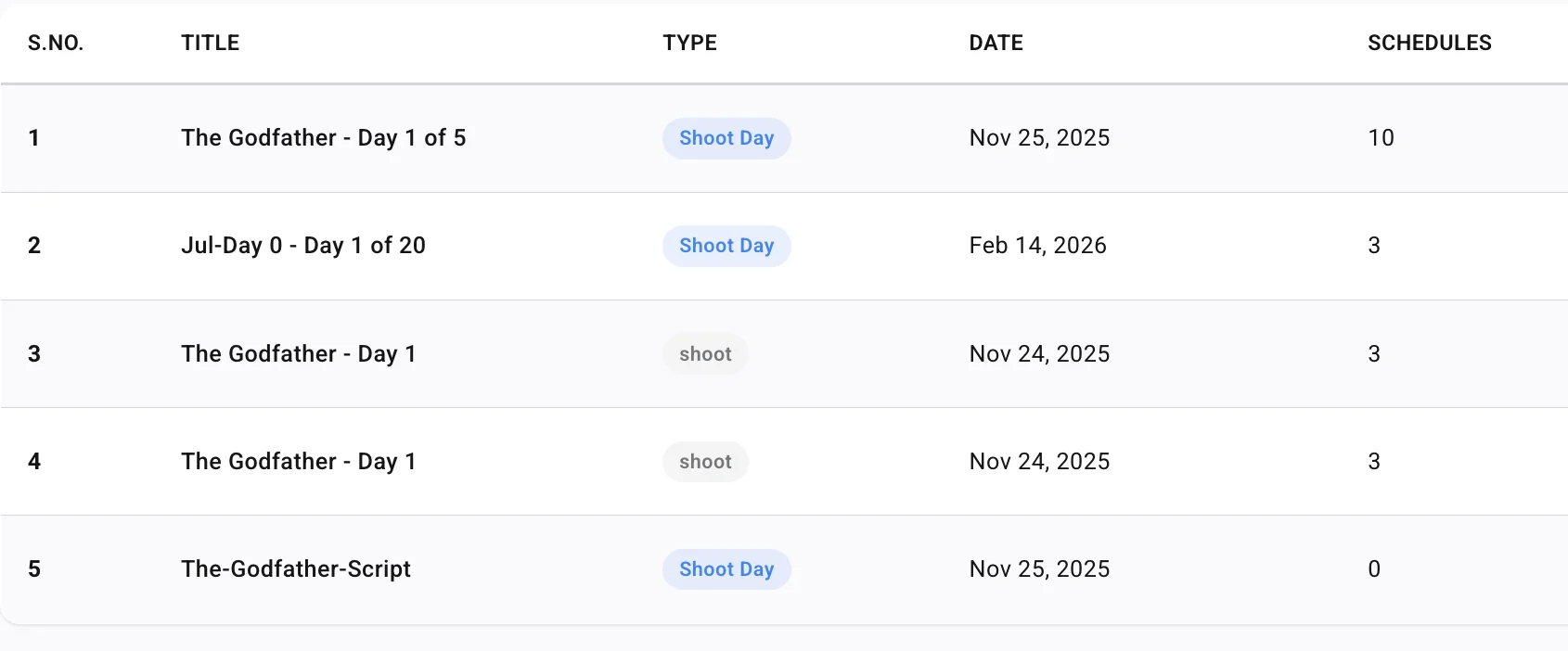
Weather can change after the call sheet is distributed. That is one reason digital call sheets are valuable for outdoor productions. A printed call sheet may still be useful on set, but digital tools make revisions, confirmations, and fast distribution easier when conditions shift. Updating one official version is easier inside Studiovity call sheet software.
With a digital workflow, production teams can update call times, revise parking details, add weather notes, and redistribute the latest version without relying on scattered message threads. This is especially helpful when the forecast changes overnight or when a location note needs to be clarified before crew arrival. Version control also matters: if people are looking at different versions of the call sheet, confusion follows.
For productions that want a smoother way to plan and share daily details, we recommend Studiovity call sheet software. It can help teams organize call sheet information in a more accessible format, which is especially useful when weather forecasts, outdoor locations, and schedule changes need to be communicated clearly.
Practical habits for stronger outdoor call sheets
A good call sheet is built through habits, not just formatting. The production team should treat weather and location information as active planning inputs from prep through wrap. The more consistently this happens, the easier it becomes for the crew to trust the call sheet.
Here are practical habits that improve outdoor call sheets:
- Check forecasts at meaningful intervals. Look during prep, before call sheet distribution, the night before, and the morning of the shoot if conditions are unstable.
- Translate the forecast into action. Do not only list "windy." Explain whether wind may affect sound, overhead gear, tents, hair, wardrobe, or drones.
- Confirm location realities with the location team. Parking, access, restrooms, shelter, power, and cell reception should be verified rather than assumed.
- Use plain language. Crew members should understand the note immediately, without decoding vague production shorthand.
- Prioritize safety information visually. Serious weather or terrain warnings should be easy to find.
- Avoid overloading the page. Include what changes behavior and move deeper details to department communication when needed.
- Make backup plans visible. Even a short note can help the crew stay mentally prepared for a pivot.
- Update decisively. If the plan changes, distribute one clear official update instead of letting multiple partial messages circulate.
These habits support both creative work and crew care. Outdoor production will always involve uncertainty, but uncertainty becomes easier to manage when everyone receives the same relevant information.
The call sheet sets the tone for the day
A thoughtful call sheet tells the crew that the production has looked ahead. It shows that weather, safety, comfort, equipment, timing, and location realities have been considered. That does not mean the day will be easy, but it does mean the team starts from a place of shared awareness.
The impact is practical and cultural. Practically, people arrive with better footwear, better gear, clearer expectations, and fewer questions. Culturally, the crew feels that their time and safety have been respected. That matters on any shoot, but it matters even more when the work happens outdoors and conditions are not fully under anyone’s control.
Weather and locations will always influence filmmaking. The real question is whether the call sheet acknowledges that influence early enough to help. When it does, the production gains a better chance of staying safe, efficient, and creatively focused.
Final takeaway
Outdoor filming depends on preparation as much as inspiration. Weather forecasts, access notes, safety instructions, department needs, continuity concerns, and backup plans all belong in the daily planning conversation, and many of them belong directly on the call sheet. When production teams understand the film call sheet weather impact, they can create clearer documents, reduce avoidable delays, and help every department arrive ready for the day ahead.