
How AI Is Changing Screenwriting: Tools Every Writer Should Know
Artificial Intelligence is reshaping the world of screenwriting. It’s not just a buzzword anymore. Consequently, AI is becoming an essential tool for writers. AI Screenwriting Tools are being adopted by creators worldwide to transform their traditional workflows.
Screenwriters are discovering new ways to enhance their creativity. AI tools are helping them break through writer’s block. Therefore, they offer fresh ideas and unique perspectives.
AI script generators are at the forefront of this change. They provide plot ideas and character suggestions. This helps writers craft compelling stories.
AI screenwriting tools analyze scripts for improvements. They suggest changes in dialogue, pacing, and structure. This ensures a polished final product.
AI story generators create unique narratives. They use user inputs to offer unexpected plot twists. This keeps stories engaging and original.
Studiovity AI software is a standout in this field. It integrates AI to streamline the writing process. Features like collaborative writing and project management are included.
AI is not replacing writers. Instead, it’s enhancing their capabilities. It allows them to focus more on creativity.
The future of screenwriting is here. Embracing AI tools can lead to better storytelling. Writers should explore these tools to stay ahead.
The Rise of AI in Screenwriting
Artificial Intelligence has significantly altered the screenwriting landscape. It’s bridging creativity and technology, transforming how scripts are developed.
AI tools are not just gimmicks. They are practical assets for modern writers. They’re solving long-standing challenges in the scriptwriting process.
One advantage of AI in screenwriting is automation. It takes care of repetitive tasks like format adjustments. This saves writers substantial time for creative pursuits.
AI also enhances script quality. Here’s how:
Analyzing structure and pacing
Providing dialogue improvement suggestions
Spotting plot inconsistencies
Predictive analytics is another area where AI shines. It forecasts the potential success of a screenplay. This helps writers align their scripts with market trends.
The adoption of AI tools is increasing. As the technology evolves, more writers are integrating it into their workflow. This shows a growing acceptance in the industry.
AI is not just a tool but a partner in the creative process. It offers invaluable insights and ideas. Writers now have an ally in crafting engaging stories. Thus, utilizing modern AI Screenwriting Tools has become a industry norm.
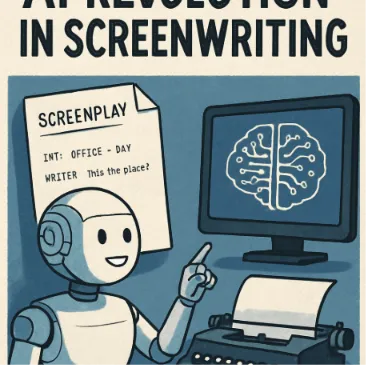
How AI Script Generators Spark Creativity
AI script generators are transformative tools for screenwriters. They breathe new life into the creative process by proposing fresh narratives. When writers hit a creative wall, these tools provide an escape route.
Instead of waiting for inspiration, writers can now interact with AI for immediate ideas. These generators can suggest intriguing plotlines and unexpected twists. They help expand the narrative boundaries, encouraging out-of-the-box thinking.
Not only do they offer plot ideas, but they also aid in character development. Writers can craft complex characters through AI insights. Consider these features:
Generate diverse story arcs
Suggest unique character relationships
Propose alternative endings
With AI script generators, the writer isn’t alone in their creative endeavor. The partnership between human imagination and machine capability can yield extraordinary results. By embracing these tools, writers find fresh ways to tell timeless stories. Therefore, choosing the right AI Screenwriting Tools can unlock unlimited potential.
Essential AI Screenwriting Tools Every Writer Should Know
AI Screenwriting Tools have become indispensable allies for modern screenwriters. These tools enhance efficiency and inspire creativity, revolutionizing the storytelling process. Writers can leverage these resources to refine scripts and generate innovative ideas, adapting to diverse demands.
Understanding which tools suit your needs can be daunting but rewarding. Many platforms offer unique features tailored for different aspects of screenplay development. From structuring scenes to developing engaging dialogue, AI provides solutions at every step.
Consider these essential AI Screenwriting Tools:
ScriptBook: Offers predictive analytics on script potential.
Final Draft’s Story Architect: Assists in visual story mapping.
Celtx AI Writer: Automates storyboard creation.
Scrivener with AI Integration: Supports document organization.
Each tool offers distinct advantages that streamline the scripting workflow and boost creativity. Whether it’s visualizing stories or optimizing dialogue, AI can elevate every screenplay aspect.
Furthermore, as AI capabilities advance, these tools continue to evolve. Writers gain access to nuanced features that enhance script quality and audience engagement. Bridging creativity with technology opens new horizons. Harnessing these AI Screenwriting Tools leads to more dynamic and compelling stories, keeping pace with industry changes.
Deep Dive: Studiovity AI Software for Screenwriters
Studiovity AI software stands out as a comprehensive tool that integrates AI into the screenwriting process. It offers a range of features that streamline writing and enhance collaboration among creatives. These capabilities make it an attractive choice for both individual writers and teams.
The software is designed to address the various needs of screenwriters by providing intuitive solutions. For instance, it facilitates collaborative writing, enabling multiple users to work on a script simultaneously. This feature is particularly valuable in dynamic, team-oriented environments. Additionally, Studiovity offers project management tools, helping writers track progress and meet deadlines efficiently.
Key features of Studiovity AI software include:
Collaborative Writing: Work with others in real-time.
Project Management: Monitor tasks and timelines.
Script Formatting: Ensures industry-standard layouts.
Feedback Tools: Receive and implement suggestions easily.
With these features, Studiovity empowers writers to focus on their creative vision while handling logistical aspects seamlessly. Its user-friendly interface and robust functionalities make it indispensable for modern screenwriting. By facilitating collaboration and organization, Studiovity allows writers to devote more energy to crafting compelling narratives. Hence, it ranks highly among preferred AI Screenwriting Tools.
AI Story Generators: Building Unique Narratives
AI story generators are transforming how writers conceive new narratives. These tools assist in crafting storylines by utilizing user inputs to generate fresh ideas. The result is a more efficient process that can swiftly overcome writer’s block.
With AI story generators, writers can explore plots that might have been previously inaccessible. The technology can suggest character arcs and plot twists that introduce diversity and originality. This is especially useful when trying to break free from clichés or common tropes. AI story generators offer a treasure trove of suggestions tailored to the genre and style specified by the writer. Consequently, these features are essential additions to modern AI Screenwriting Tools.
Key benefits of using AI story generators include:
Enhanced Creativity: Generate unique plotlines with AI assistance.
Time Efficiency: Streamline the creative process by automating idea generation.
Genre Exploration: Experiment with different storytelling styles.
Overall, AI story generators serve as an invaluable tool for writers aiming to innovate and expand the boundaries of traditional storytelling. By harnessing these advanced technologies, writers can produce narrative structures that engage and captivate audiences in novel ways. This unique blend of creativity and technology exemplifies the evolving landscape of screenwriting in the digital age. Therefore, exploring varied AI Screenwriting Tools is highly recommended.
Enhancing Collaboration and Workflow with AI
AI tools are transforming collaboration in screenwriting. They facilitate seamless communication between team members, regardless of location. Writers can share, edit, and develop scripts in real-time.
The integration of AI into collaborative platforms enables more efficient project management. Writers and producers can automate scheduling and set reminders. This ensures that deadlines are met and workflow remains uninterrupted.
Some AI tools even offer insights into team dynamics and productivity. They analyze interactions to recommend improvements for smoother collaboration. This fosters an environment where creativity can thrive.
Key Benefits of AI in Collaboration:
Real-Time Edits: Allow multiple users to work simultaneously.
Automated Scheduling: Keep track of deadlines with ease.
Improved Communication: Foster clearer interactions among team members.
Ultimately, AI-driven collaboration tools empower writers to produce high-quality scripts more efficiently. By optimizing the workflow, these tools free up time for writers to focus on what they do best—creating compelling stories. Thus, deployment of AI Screenwriting Tools improves overall team efficiency.
AI for Script Analysis and Feedback
AI is a game-changer in script analysis. With advanced algorithms, AI tools evaluate dialogue, pacing, and structure. They provide writers with invaluable feedback for crafting better scripts.
Writers can use AI to spot plot holes or inconsistencies. These tools meticulously scan through scripts to offer suggestions for improvement. This helps ensure a coherent and engaging narrative.
AI-based feedback goes beyond structural analysis. It delves into the emotional impact of the screenplay, providing insights on audience engagement potential. These tools help writers enhance their scripts’ overall quality and appeal.
Key Functions of AI in Script Analysis:
Dialogue Analysis: Enhance authenticity and character voice.
Structural Suggestions: Identify pacing or narrative issues.
Emotional Insights: Gauge potential audience reactions.
Implementing AI for script analysis means tapping into a comprehensive resource for improving screenplays. By refining scripts, writers can captivate audiences more effectively. Therefore, analytical AI Screenwriting Tools offer immense value.
Ethical Considerations and the Future of AI in Screenwriting
As AI becomes integral to screenwriting, ethical questions arise. The balance between human creativity and machine assistance is crucial. Writers must remain the primary creative force.
AI tools should support originality. It’s essential to prevent AI from overshadowing unique voices. Scripts should reflect the writer’s vision while benefiting from AI insights.
Looking ahead, the future of AI in screenwriting holds promise. Integration of AI can lead to innovative storytelling methods. As technology evolves, screenwriters should embrace AI’s potential while safeguarding creativity.
Key Ethical Points in AI Use:
Human Creativity: Ensuring human primacy in storytelling.
Originality: Avoid reliance on AI for generating ideas.
Vision: Maintaining the writer’s unique narrative voice.
The responsible use of AI can enrich screenwriting without compromising creative integrity. Exploring AI’s evolving capabilities offers opportunities to enhance narratives while upholding ethical standards. Thus, developers design AI Screenwriting Tools to assist, not replace, human genius.
Conclusion: Embracing AI for Better Storytelling
AI technology is transforming the screenwriting landscape. By incorporating AI tools, writers can enhance their creative process and produce unique narratives. These advancements offer tremendous potential to improve efficiency and innovation.
Writers should view AI as an ally in creativity, not a replacement. By embracing AI’s capabilities, screenwriters can push storytelling boundaries and explore novel artistic approaches. The symbiosis between AI and creativity promises an exciting future for storytelling. Therefore, adopting AI Screenwriting Tools is the next logical step for forward-thinking creators.