
You’ve got a killer script, but now comes the part keeping most filmmakers awake: making the numbers work without losing the magic. Think of this process like planning a massive wedding, where every guest, flower arrangement, and catered meal needs a specific price tag before the big day arrives. According to seasoned independent producers, proper pre-production planning is your creative vision’s ultimate safety net. Film Budgeting Made Easy becomes possible when filmmakers use structured planning and the right software from the beginning.
Making the vital psychological shift from visionary dreamer to practical producer means realizing that numbers tell a story, too. Ignoring financial reality invites predictable disasters, like running out of hard drive space or having no cash to feed an exhausted crew. Figuring out how to create a film budget from scratch builds a reliable production roadmap, translating abstract ideas into tangible line items—which are simply individual shopping list entries for everything from camera lenses to coffee cups.
Ever wonder how indie directors actually secure funding? Handing over an organized financial breakdown proves your professionalism, immediately attracting better talent and serious investors. By leveraging the right pre-production planning tools for small crews, you can conquer the math and focus entirely on making your movie. Film Budgeting Made Easy also helps producers stay confident while pitching projects to collaborators and investors.
The Script Breakdown: How to Spot Every Hidden Expense Before You Hit Record
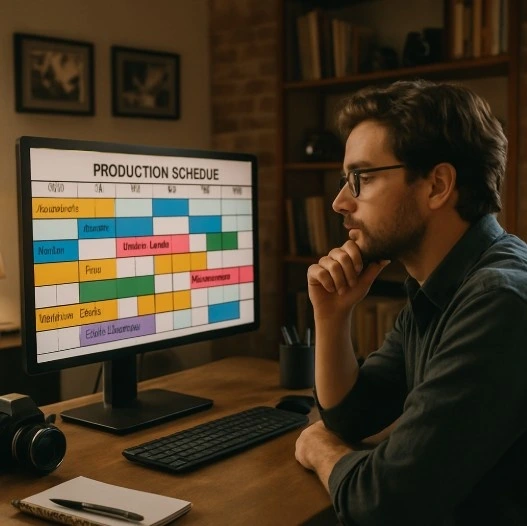
Turning a story into a financial reality requires a script breakdown—highlighting every single thing in your script that costs money. Think of it like making a shopping list for a kitchen renovation; you cannot buy cabinets without also accounting for screws and hinges. This requires the “1-for-1 Rule,” meaning every action on the page needs a corresponding real-world item tagged for your budget. If an actor drops a coffee cup, you must budget for the cup, the coffee, and extras for multiple takes.
Modern software acts as a movie production cost estimator, letting you digitally tag items into distinct categories instead of using messy highlighters:
- Characters (actors and background extras)
- Locations (where the scene happens)
- Props (objects handled by actors)
- Vehicles (cars seen on screen)
- Special Effects (rain or smoke machines)
Even with great tools, creators often forget the “invisible” costs. The top three missed expenses in indie breakdowns are crew meals, location parking permits, and data hard drives. Therefore, Film Budgeting Made Easy starts with a complete script breakdown that catches every hidden expense before production begins.
Once tagged, proper script breakdown and scheduling integration groups scenes together by location. This instantly streamlines estimating location and equipment rental fees, since renting camera gear for three consolidated days is drastically cheaper than five scattered ones. With your physical needs mapped out, you are finally ready to organize these totals, navigating the top sheet to understand above-the-line versus below-the-line costs.
Navigating the Top Sheet: Understanding Above-the-Line vs. Below-the-Line Costs
Planning a large event usually requires a one-page financial summary before you start analyzing the price of every single detail. In filmmaking, this document is your “Top Sheet”—an executive summary that acts as a financial elevator pitch. It categorizes your grand totals into a clean, readable snapshot so potential investors never feel overwhelmed by the numbers.
Looking at this page, you will see a bold line separating above-the-line vs below-the-line expenses. Above-the-line (ATL) covers your creative leadership—writers, directors, and lead actors—whose fees are often highly negotiable based on the project size. Below-the-line (BTL) handles the physical execution, like camera operators or set builders, representing fixed daily rates you cannot easily haggle. At this stage, you must also include fringes, which are the mandatory extra costs tied to hiring people, such as basic payroll taxes and worker’s insurance.
Keeping these complex totals balanced by hand is incredibly stressful. While a basic movie production cost estimator helps visualize early numbers, relying on manual data entry invites disaster. However, upgrading to proper film production budgeting software automatically calculates these fringes and category splits. As a result, Film Budgeting Made Easy becomes more practical, accurate, and scalable for productions of every size.
Why Spreadsheet Chaos Kills Productions—And How Professional Software Saves Your Sanity
Building a movie budget in a standard spreadsheet is like wiring a house with duct tape—it might hold up temporarily, but it will eventually spark a fire. Relying on generic grids instead of dedicated budget tracking software invites costly human errors. Indie filmmakers consistently face four critical risks with manual spreadsheets:
- Broken formula links that secretly alter grand totals.
- Lack of version control (leaving you wondering if “Budget_FINAL_v2” is actually the current file).
- No industry-specific categories built-in to guide your planning.
- Inability to automatically calculate complex labor fringes.
Moving to a specialized platform instantly eliminates this hidden time-drain. Rather than emailing messy files back and forth, you unlock cloud-based collaboration for production teams. Your core crew can review the numbers together securely from anywhere. When someone updates a camera rental rate, the system utilizes version control—a digital safety net that continually saves past drafts—preventing accidental deletions and ensuring you always know who changed the math.
These professional platforms also provide real-time budget tracking features, instantly updating your contingency (your emergency “oops” fund) whenever a single cost shifts. Automated calculation turns stressful guesswork into professional confidence, allowing you to match the right tool to your specific project scale. In addition, Film Budgeting Made Easy helps teams avoid spreadsheet confusion while improving collaboration across departments.
The Heavyweight Battle: When to Use Movie Magic vs. StudioBinder for Scaling Projects
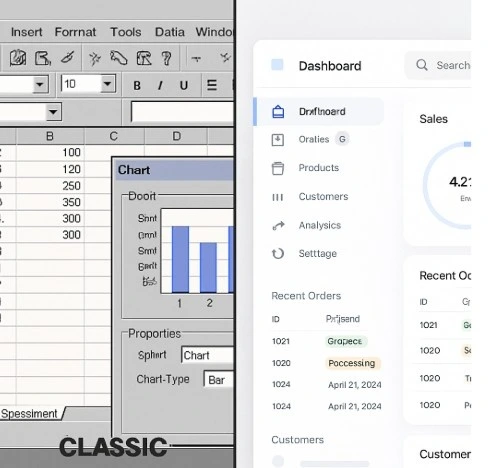
Deciding between platforms is like choosing a vehicle for a road trip—you must match the tool to the terrain. When seeking the best software for line producers, creators usually compare two distinct titans. Both track Above-the-Line talent and Below-the-Line crew perfectly, but they serve totally different production sizes.
Movie Magic Budgeting remains the heavyweight champion for complex features. Its true power lies in automating fringes and tax incentives, effortlessly calculating mandatory union fees—like health and pension contributions—plus government rebates. However, if your crew involves ten friends instead of a massive union roster, this specialized depth feels like using a sledgehammer to hang a picture frame.
That steep learning curve makes comparing Movie Magic vs StudioBinder for budgeting essential for growing productions. Meanwhile, StudioBinder champions an integrated workflow, meaning your budget connects directly to your script breakdown and daily schedules in one online hub. It gracefully trades hardcore guild formulas for a visually intuitive, highly collaborative experience.
Your choice ultimately rests on your project’s specific scale. Strict union requirements demand Movie Magic, while modern indie crews thrive in StudioBinder’s unified ecosystem. Therefore, Film Budgeting Made Easy depends on selecting software that matches your crew size, workflow, and production complexity. If neither of these premium options fits your current bank account, several affordable and free tools offer excellent alternatives for indie filmmakers.
Budgeting on a Shoestring: Best Affordable and Free Tools for Indie Filmmakers
Paying for premium software before securing funding is like buying a commercial oven just to bake cookies. For solo creators, maximizing your cost-to-value ratio—getting a professional layout for less money—is vital. Fortunately, affordable alternatives to industry standard budgeting tools won’t eat your actual production cash. The freemium model, offering basic features for free, is a perfect starting point.
When upgrading from a blank spreadsheet, these pre-production planning tools for small crews offer incredible structure:
- Celtx: Provides standardized templates—pre-built financial lists—ensuring you never forget basics like crew meals or hard drives.
- Boords: A visual planning app that pairs beautifully with trackers to determine exactly what gear specific shots require.
- Spreadsheets: Searching for free film budget templates for indie filmmakers yields excellent Google Sheets containing professional “Top Sheet” categories (broad cost summaries) for zero dollars.
You should graduate from templates to dedicated software only when your project’s complexity demands it. If your entire shopping list of cast and camera rentals fits neatly on one page, a free template is brilliant. However, even with great tools, film sets remain famously unpredictable. Before locking in those numbers, you must secure a financial safety net to handle unexpected set dynamics. At this stage, Film Budgeting Made Easy becomes achievable even for indie filmmakers working with limited resources.
Planning for the Unexpected: Using Contingency Funds and Overages to Save Your Shoot
Just as home renovations require extra funds for hidden repairs, filmmaking demands strict financial caution. Your baseline defense is contingency fund planning for movie sets—an emergency “oops” fund usually set at 10% of your total budget. If your indie short costs $5,000, keep $500 locked away specifically for when memory cards fail or outdoor locations unexpectedly rain out.
When those unexpected costs hit, you experience overages. Surviving them means learning how to pivot spending swiftly. If an actor’s makeup takes two extra hours, you must cover that cost using your emergency stash or petty cash—small amounts of physical money kept on hand for quick, immediate purchases. Smart producers lean on real-time budget tracking features in their apps to instantly see where they can safely reduce spending elsewhere without panicking.
Keeping your shoot alive requires mastering the habit of logging overages daily. Managing film production overages successfully means recording every unexpected expense before going to sleep so you never wake up broke. Therefore, maintaining consistent tracking habits protects your production from avoidable financial surprises. With this crucial safety net built, you are completely ready to finalize your numbers.
Your 3-Step Action Plan: How to Finalize Your First Professional Film Budget
You no longer have to view film finances as an intimidating barrier. By grasping how to create a film budget from scratch, you have transformed a blank page into a strategic roadmap, giving you the clarity to confidently present your numbers to potential collaborators and investors.
Start building your financial foundation right now:
- Tag your script: Highlight every single item that costs money.
- Pick your software based on crew size: Match the digital tool to your project’s specific scale.
- Build in your 10% safety net: Secure an emergency contingency fund for inevitable production surprises.
Once shooting begins, implement a 10-minute daily budget check-in habit to ensure your spending stays perfectly aligned with your plan. Budgeting is the true foundation of a successful set. As you leverage professional pre-production tools, remember to start small and stay organized. Ultimately, every dollar you track becomes another building block bringing your story to life.