
AI Storyboard & Film Scheduling: The New Workflow of Filmmaking
Imagine writing the perfect movie scene and seeing it come to life before your morning coffee gets cold. Most people think movie-making is just cameras and actors, completely missing the “Invisible Middle”—the grueling logistical phase called pre-production, where planning a single car chase can take weeks. Today, AI Storyboard & Film Scheduling is transforming how filmmakers handle this process.
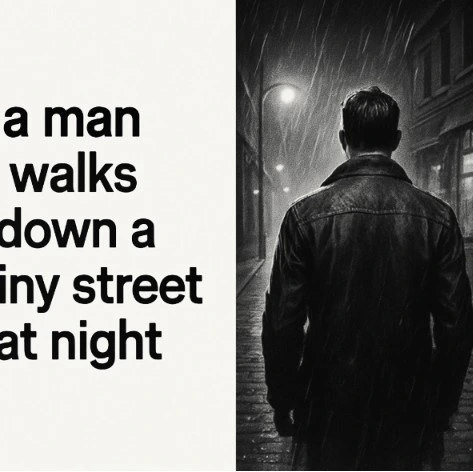
Traditionally, turning written pages into a visual blueprint required expensive artists and massive budgets. Today, industry data reveals that generative AI for pre-production workflows is completely flipping the script. Instead of painstakingly drawing each frame by hand, anyone can now use digital pre-visualization for independent filmmakers to instantly transform text into stunning storyboards, making Hollywood-level aesthetics accessible to everyday creators.
Connecting these visual dots to a calendar used to be a giant, high-stakes logic puzzle. Now, embracing AI Storyboard & Film Scheduling means a digital assistant automatically calculates exactly how many days you need to shoot. As a result, directors can bypass tedious paperwork and focus entirely on telling an incredible story.
Turning Words into Frames: How AI Storyboard Tools Save Thousands in Artist Fees
Handing your script to a Hollywood concept artist once meant paying thousands for professional illustrators and waiting weeks for sketches. Today, comparing AI storyboard software vs traditional drawing reveals a massive shift for independent creators. Instead of weeks of sketching, transforming screenplays into visual frames automatically happens with just a few keystrokes.
Getting cinematic results requires a new skill called “prompt engineering for film,” which means giving the software specific directorial instructions. To get the most out of AI storyboard tools, use these three specific prompt tips:
- Detail camera angles (e.g., requesting a “low-angle tracking shot” versus a “wide establishing shot”).
- Specify lighting style (e.g., adding “cinematic golden hour” or “high-contrast noir”).
- Define character action verbs (e.g., using “sprinting frantically” rather than just “running”).
A major hurdle for early generators was keeping a character looking identical from a quiet diner scene to a high-speed car chase. However, achieving visual consistency in AI generated storyboards is now solved through “latent space storyboarding,” which acts like a digital reference board. Once the AI learns your protagonist’s specific facial features, it anchors that unique look across the entire sequence.
Suddenly, the cost to visually plan a stunning short film drops from a massive budget to the price of a standard software subscription. Because of this shift, AI Storyboard & Film Scheduling is becoming essential for indie filmmakers who want studio-level planning without studio-level costs.
The Digital Script Assistant: Automating Breakdowns and Shot List Generation
Most people think the hardest part of directing is working with actors, but the real challenge hides in the paperwork. Before a camera rolls, a screenplay must undergo a “breakdown“—a tedious process where a human reads every page with colored highlighters to list everything needed on set. Today, automating script breakdowns with artificial intelligence lets creators instantly turn a creative story into a highly organized logistical plan.
Instead of manually hunting for hidden details, your software now acts as a hyper-vigilant digital assistant. It scans your text to extract crucial elements, which seamlessly powers instant shot list generation using machine learning based on your storyboard visuals. This machine-guided analysis automatically identifies:
- Characters (who is in the scene)
- Props (what they hold)
- Locations (where it happens)
- Special FX (explosions, rain)
Eliminating 10+ hours of manual script tagging ensures that absolutely no production detail is missed—like forgetting a vital prop until the day you film. Furthermore, streamlining production logistics with automation gives independent filmmakers the organizational power of a Hollywood studio. This is another reason why AI Storyboard & Film Scheduling is rapidly changing modern pre-production.
Mastering the Logistics Puzzle: Why AI Film Scheduling is Your New Secret Weapon
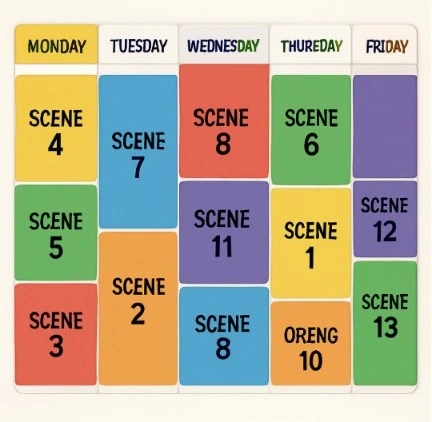
Turning that organized list of actors and props into a shooting calendar is where the real headache usually begins. Traditionally, producers used a “stripboard“—a massive physical chart where every scene was a cardboard strip they manually rearranged to group locations. Today, generating an ai storyboard film schedule directly from your script breakdown transforms this tedious chore into a seamless digital process.
Figuring out how to use AI for film scheduling essentially means letting a digital brain solve a massive, high-stakes logic puzzle for you. Instead of guessing the most affordable way to shoot, the system automatically groups scenes based on shared constraints like actor availability, location limits, or fading sunset lighting.
By optimizing your shoot order so you only rent an expensive camera drone for one afternoon instead of three, this intelligent approach to production logistics saves serious money. In addition, AI Storyboard & Film Scheduling helps crews reduce delays while improving overall production efficiency.
Even perfectly planned days can fall apart when a sudden rainstorm hits or a lead actor gets a flat tire. When real-world delays happen, modern ai scheduling software allows you to adjust your entire shoot instantly without manually redrawing the calendar. The system immediately calculates the best alternative scenes to shoot indoors, solving complex scheduling conflicts in a matter of seconds.
Looking ahead of potential disasters is the true superpower of these modern tools. By utilizing predictive analytics for movie production timelines, the assistant anticipates weather changes and location bottlenecks before they threaten your budget. Therefore, filmmakers using AI Storyboard & Film Scheduling gain a major advantage when handling unpredictable production challenges.
Bridging the Gap: Syncing AI Storyboards with Real-Time Production Management
Organizing a film crew often feels like a fragile group trip where one schedule change ruins everyone’s plans. If you changed a sunny beach scene into a rainy alleyway, someone had to call the lighting crew, update the props department, and manually rewrite the budget. Today, connecting your visual ideas to your logistical calendar creates a centralized digital hub. Through real-time collaboration in film planning tools, swapping a storyboard image automatically alerts your entire team about the new constraints.
Relying on cloud-based tools for modern film crews eliminates dangerous communication gaps between departments. The major benefits of AI-driven production management come down to three game-changing advantages:
- Instant crew updates: When you alter a camera angle, everyone on set sees the new plan instantly.
- Accurate budgeting: Linking visual needs to the schedule helps in optimizing film budgets through AI efficiency, automatically adjusting projected costs.
- Remote visual approval for producers: Executives can review and approve modified shot lists from anywhere in the world.
Unifying your entire production ensures that tedious logistics no longer hold your imagination hostage. Meanwhile, AI Storyboard & Film Scheduling keeps every department aligned in real time, reducing costly communication mistakes.
When the paperwork effectively manages itself, you can finally focus on the art of storytelling. With software handling this heavy lifting, maintaining your unique personal vision becomes your primary focus.
The Human Director in an AI World: Keeping Your Creative Voice
You might worry that leaning on algorithms means losing your artistic fingerprints. However, directing in the age of automation is actually about creative curation, not surrendering control. The machine can generate a dozen variations of a sci-fi space battle, but it entirely lacks the lived experience to know which specific image will make an audience gasp.
By embracing AI as a creative assistant, you can brainstorm wildly without burning through your budget. For example, if you want to see a romantic dinner lit by eerie neon instead of warm candles, the software instantly visualizes it. The algorithm expertly handles the cold rendering logic, but you must provide the human empathy required to choose the right emotional tone.
The future of artificial intelligence in cinema direction is not about replacing human vision; it is about amplifying it. As a result, AI Storyboard & Film Scheduling gives creators more time to focus on emotion, pacing, and storytelling rather than repetitive production tasks.
Technology simply builds the structural foundation, leaving you time to infuse the project with actual soul. Knowing you still steer the ship means you can finally start building your project.
Launching Your Project: A Step-by-Step Transition to the AI Filmmaking Workflow
The days of needing a studio budget just to plan a movie are over. Turning the complex logistics of pre-production into an empowering creative advantage saves massive amounts of time and keeps your focus exactly where it belongs: on the story.
When starting an AI-powered production, try this simple workflow to see immediate results:
- Input your script for an automatic AI breakdown.
- Generate key visual storyboards to define your scene.
- Run a predictive schedule for a “weekend shoot” scenario.
This accessibility is the future of indie film. As AI filmmaking for beginners continues to evolve, the massive gap between having a great idea and actually filming it disappears. Ultimately, AI Storyboard & Film Scheduling is helping filmmakers move from script to screen faster than ever before.
Your next big project is not locked behind expensive logistics—it is waiting right on your laptop.
Why Filmmakers Choose Studiovity for AI Storyboard & Film Scheduling
Modern filmmaking demands speed, creativity, and precision. Studiovity brings all these elements together in one connected production platform designed for filmmakers, studios, and content creators. From AI-powered storyboard creation and script breakdowns to intelligent shot lists, scheduling, call sheets, and budgeting, the platform simplifies every stage of pre-production. Instead of juggling multiple tools, creators can manage their entire workflow in one place while keeping their creative vision fully intact. As AI Storyboard & Film Scheduling continues to redefine the filmmaking process, Studiovity helps teams save time, reduce production stress, and move from script to shoot with greater efficiency.