
Have you ever finished typing the final page of a script and felt an overwhelming urge to grab a camera and start rolling? This moment often defines How to Plan a Film, yet many filmmakers rush it. That instinct is incredibly common among new filmmakers, but jumping straight from project development to the set usually leads to expensive disasters. Once the story is written, you cross an invisible line. You are no longer just dreaming up ideas; you are actively figuring out how to execute them in the physical world.
Think of the entire pre-production phase exactly like laying the foundation for a new house. No responsible builder pours concrete without first studying a detailed blueprint. Likewise, filmmakers must adopt that same architectural mindset when learning How to Plan a Film. The goal is to make your catastrophic mistakes on paper, long before a busy cast is standing around waiting for instructions. According to standard industry production models, every $1 invested in careful preparation saves roughly $3 on set. A missing prop or an unavailable location becomes a cheap desk fix rather than a day-ruining crisis.
So, how long does film planning take when handled correctly? Experienced producers generally expect this planning phase to last two to three times longer than the physical shoot itself. Dedicating fifteen days to organize a five-day shoot might sound excessive. However, this deliberate pacing separates successful movies from stressful home videos. Mastering this timeline ensures your shoot runs smoothly, protecting both your budget and your creative vision from preventable logistical nightmares.
Turning Your Script into an Ingredient List: The Essential Script Breakdown
Having a finished script is thrilling, but you cannot simply point a camera at the pages. Think of your screenplay as a recipe. Before you start cooking, you need an exact ingredient list. In the industry, we call this a “Script Breakdown.” This step is essential in How to Plan a Film because it converts your creative story into a logistical checklist. You go through the text line by line to identify every physical item required for the shoot. Even a basic scene like a couple arguing over dinner has hidden costs. You need plates, food, specific clothing, and maybe a spilled glass of wine.
To stay organized during early project development, filmmakers rely on a visual color-coding system. By using highlighters on your printed script, you can quickly spot what goes where without feeling overwhelmed.
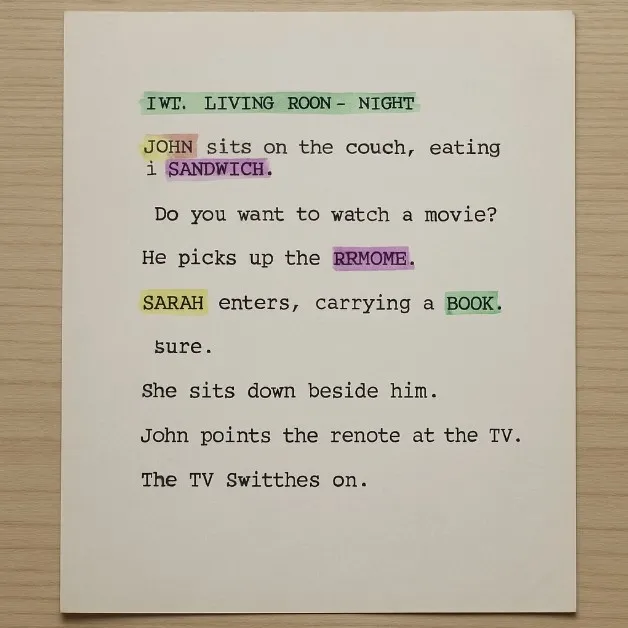
You will eventually transfer these colored notes into a script breakdown sheet template to keep your team informed. While every film is unique, you should always highlight these five critical production elements:
- Cast: The speaking characters involved in the scene.
- Props: Objects handled by the actors (like a cell phone or a coffee mug).
- Wardrobe: Specific clothing items or costumes required.
- Vehicles: Any cars, bikes, or trucks seen on screen.
- Special Effects: Anything needing extra safety or setup, like rain or smoke.
Categorizing these breakdown elements ensures you never arrive on set missing a crucial piece. Once documented, you finally see what your movie will physically require.
Estimating Costs Without the Guesswork: Building a Realistic Indie Film Budget
Now that your script breakdown is complete, you must determine what those physical “ingredients” actually cost. Translating creative needs into hard numbers forms the foundation of building a realistic indie film budget. This step plays a critical role in How to Plan a Film effectively.
On professional sets, you might ask: what does a line producer do in pre-production? Their primary responsibility is building and managing this financial blueprint. They ensure the director’s vision matches the available funds.
To stay organized, the industry splits costs into two categories: “Above the Line” (ATL) and “Below the Line” (BTL). ATL refers to creative leadership secured before filming begins. BTL covers execution. When managing filmmaking logistics on a small budget, your BTL expenses usually fall into four areas:
- Personnel: Crew wages
- Equipment: Camera and gear rentals
- Locations: Permits and rentals
- Logistics: Food and travel
No plan is complete without a contingency fund. This 10% safety net handles unexpected issues like weather delays. With finances set, you can move forward confidently.
The Clock is Ticking: Creating a Film Production Schedule that Actually Works
Turning your budget into action requires mastering time. A common mistake is filming in story order. Instead, How to Plan a Film properly means grouping scenes by location. If your story starts in a cafe, moves to a park, and returns to the cafe, shoot both cafe scenes together.
A stripboard helps visualize this process. Each strip represents a scene, allowing easy rearrangement. You will also use a Day out of Days report to track actor schedules efficiently.
Three key factors determine your shooting order:
- Location availability
- Actor turnaround time
- Lighting requirements
Set realistic expectations. While big studios shoot one page daily, indie crews can handle three to five pages. Overloading your schedule leads to poor results.
Finding Your Frame: How to Create a Movie Storyboard and Visual Plan
Securing a schedule determines when you shoot. However, you must also define what the camera captures. Learning How to Plan a Film includes visualizing every shot clearly.
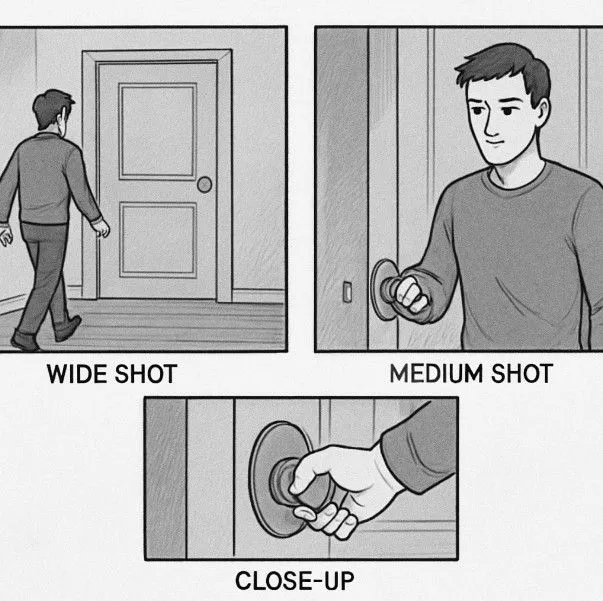
A shot list outlines camera angles in text form. Meanwhile, a storyboard acts as a visual guide. You do not need artistic skills—simple sketches work perfectly.
Before sketching, decide your aspect ratio. This defines your frame and helps plan compositions. Moving from wide shots to close-ups ensures you capture all necessary footage.
Scouting Your Stage: The Essential Location Checklist
Finding a great location is only half the job. A tech scout helps identify hidden challenges before filming begins.
Use this checklist:
- Power availability
- Sound conditions
- Natural lighting
- Facilities like restrooms
- Parking access
This preparation prevents costly surprises.
Assembling the Dream Team: Hiring a Film Crew and Organizing Casting
With your schedule ready, focus on hiring a skeleton crew:
- Director of Photography
- Sound Mixer
- 1st Assistant Director
The 1st AD keeps everything on schedule. This role is crucial when executing How to Plan a Film efficiently.
For casting, provide actors with “sides” instead of the full script. This speeds up auditions and improves performance evaluation.
Staying Legal and Safe: Navigating Insurance and Permits
Filmmaking requires proper documentation. Every actor must sign a talent release. Every location needs a signed agreement.
You will also need a Certificate of Insurance (COI). This protects against damages during production.
Public filming requires permits. Without them, authorities can shut down your shoot.

The Digital Production Binder: Management Software to Stay Organized
Managing documents manually can create chaos. Digital tools simplify everything. They also prevent version confusion.
Cloud-based systems ensure everyone works from the latest files. This improves coordination and reduces mistakes.
Your Launchpad for Production: The Pre-Production Success Checklist
You started with an idea. Now you have a complete plan. That is the power of mastering How to Plan a Film.
Before Day 1, complete this checklist:
- Charge all equipment
- Print call sheets
- Confirm schedules
Take a breath and trust your preparation. A well-planned film always runs smoother.
Plan Smarter with Studiovity
When you truly understand How to Plan a Film, the difference between chaos and control becomes clear—but execution still needs the right tools. That’s where Studiovity steps in. From AI-powered script breakdowns and intelligent shot lists to seamless scheduling, call sheets, and budgeting, Studiovity transforms your entire pre-production workflow into one connected system. Instead of juggling spreadsheets, notes, and scattered files, you can manage everything in one place—faster, smarter, and with complete clarity. If you’re serious about turning your vision into a well-organized production, Studiovity helps you plan like a pro and shoot with confidence.