
Film Pre-Production Checklist: Everything You Need Before You Shoot
Imagine your actors are in makeup and the sun is setting perfectly—only to realize no one booked a location bathroom. Disasters like this occur when creators rush past the Prep Phase straight into filming. While fans recognize what directors or producers do on set, production bottlenecks in prep are often overlooked. Following a Film Pre-Production Checklist separates a successful shoot from a logistical nightmare.
Tackling a film without logistics resembles embarking on a massive cross-country road trip without a map. According to standard industry practice, professionals adhere to a 1:3 ratio: every day of shooting demands at least three days of rigorous preparation. Therefore, following a comprehensive Film Pre-Production Checklist acts as a financial safeguard, stopping money-bleeding delays before they drain your indie budget.
Great movies start not with rolling cameras, but with meticulously organized clipboards. Moreover, embracing this professional mindset transforms chaotic guesswork into a smooth, legally sound operation. Ultimately, treating a Film pre-production checklist (US) as creative armor ensures your brilliant idea actually survives the journey to the screen.
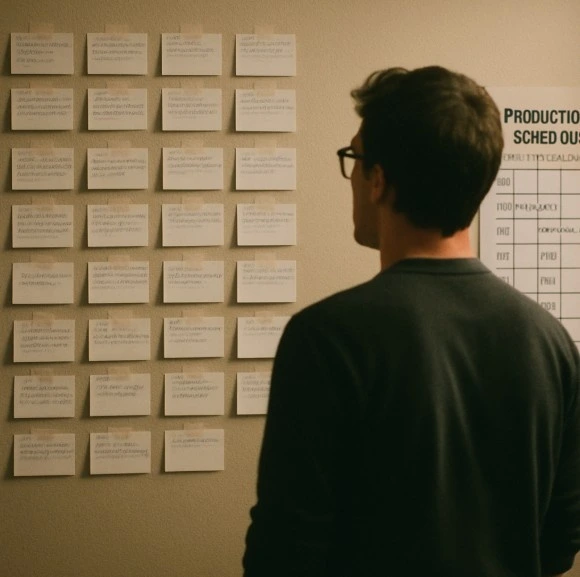
Turning Paper Into Action: The Script Breakdown and Scheduling Strategy
Every great movie starts with a practical plan. Once your script is finished, you cannot simply grab a camera and shoot chronologically. Instead, the crucial first step on your Film Pre-Production Checklist is the script breakdown—the process of identifying every physical resource required to bring your story to life.
Combing through pages for specific “elements” helps you spot high-cost items early, allowing for strategic rewrites before spending a single dollar.
During this phase, you must tag these top five essentials:
- Cast: All speaking roles and background extras.
- Props: Items actors physically touch, like a coffee cup.
- Vehicles: Any cars driven on screen or parked visibly.
- SFX: Practical effects, ranging from flickering lamps to rain machines.
- Locations: The actual physical spaces where filming occurs.
Mapping out these requirements leads directly into “stripboard scheduling.” Think of scheduling like planning a road trip; you group stops geographically to save gas. By utilizing professional script breakdown and scheduling software instead of a standard Excel spreadsheet, you easily group all scenes at a local diner together. As a result, finishing one location entirely before moving your crew prevents logistical chaos and drastically cuts daily expenses.
Efficient scheduling protects your budget. However, physical production requires robust legal protection to shield your assets.
Shielding Your Assets: Why US Insurance and LLCs Are Vital
Imagine wrapping a shoot, only to face a lawsuit because someone tripped over a cable. In the US, forming a Limited Liability Company (LLC) is your first line of defense. For projects budgeted over $5,000, an LLC legally separates your personal savings from the production’s physical and financial risks.
After establishing this business entity, you must meet strict US film production insurance requirements to protect the set. The foundation is General Liability coverage, which pays out if a location is damaged or a bystander is injured. Additionally, because indie sets rely heavily on rented equipment vans, you also need Hired and Non-Owned Auto insurance to cover potential vehicle accidents.
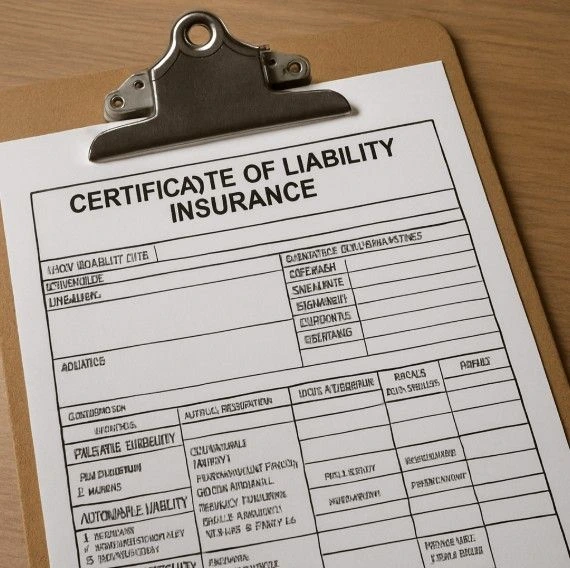
What happens when a local diner owner actually agrees to let you film? They will inevitably ask for a certificate of liability insurance for filming. Think of a COI as your movie’s passport, proving to property owners that your policy is active and they are protected. Therefore, you simply email your insurance broker the location’s exact address to generate this standard one-page document.
Checking these legal boxes transforms your creative project into a legitimate, secure enterprise. Consequently, you can safely focus on making your available funds go further.
Stretching Every Dollar: Using Tax Incentives and Budget Templates
Think of your budget like building a house: the architects are one cost, but the lumber is another. Industry professionals split their spreadsheets exactly the same way. “Above the Line” expenses cover your creative foundation—the writers, directors, and lead actors. Meanwhile, everything else falls “Below the Line,” which handles the physical execution, including the camera crew, lighting gear, and location rentals.
Using a professional independent film budget breakdown template is vital because beginners often ignore “fringes”—the mandatory payroll taxes and fees added to crew wages. A good template keeps you organized and ensures you never forget these four silent budget killers:
- Parking: Daily lot rentals for massive production vans.
- Permit fees: Processing charges required by local city governments.
- Crafty/Water: The continuous supply of snacks and hydration needed to maintain crew morale.
- Kit fees: The cost of renting specialized tools, like professional makeup brushes, directly from your crew members.
Finally, stretch your funding by researching film tax incentives by state. For example, think of a tax credit as a state-sponsored rebate; states like Georgia, New Mexico, and Oklahoma will actually refund a percentage of your local spending to encourage job growth.
Once the math is settled and your project is financially secure, the focus shifts to securing the human element of your production.
Navigating the Human Element: Casting Calls and SAG-AFTRA Rules
Finding the right faces for your script is like casting the perfect dinner party; you need the right mix of personalities. Therefore, learning how to conduct a successful casting call starts with posting breakdowns on trusted platforms like Backstage or Actors Access, ensuring you attract dedicated performers instead of casual hobbyists.
Once you start auditioning, you will likely encounter actors belonging to SAG-AFTRA, the premier US actors’ union. Hiring them means completing the SAG-AFTRA signatory process for indie films, a series of legally binding agreements proving your production company will provide safe working conditions, guaranteed meals, and proper minimum wages.
What if you want to mix union professionals with non-union beginners? The industry handles this through a “Taft-Hartley” waiver, a specific form allowing a non-union actor to work on a union set under special conditions. As a result, filing this paperwork prevents union fines and ensures everyone on your roster operates legally.
Every single person who appears on camera must sign their paperwork before the director calls “action.” Securing talent release forms and legal clearances transfers the rights of their performance to your production. With your cast legally locked and rights transferred, your next priority is securing the physical spaces where they will perform.

Scouting Success: How to Get Film Permits for Public Locations
Finding the perfect diner or city park is thrilling, but locking it down legally separates professionals from amateurs. When checking items off your short film pre production checklist, secure every spot in writing. For private properties like a friend’s living room or a local coffee shop, you use a Location Agreement—a straightforward contract outlining rental fees, hours, and filming permissions.
Stepping onto public property requires a different strategy entirely. If your scene takes place on a city sidewalk or state beach, you must learn how to get film permits for public locations through your local Film Commission. This government office acts as your official liaison, ensuring your production does not disrupt neighborhood businesses or street traffic.
One of the top location scouting tips for independent filmmakers is submitting this municipal paperwork at least two weeks early. Additionally, every standard public permit application requires three key components:
- Exact dates, shoot times, and crew parking needs
- Your production insurance Certificate of Insurance (COI)
- Fire Marshal Clearance if your set involves smoke machines, stunts, or blocking public exits
Securing these environments legally paves the way to bring in the crew and equipment needed to capture the action.
Crewing Up and Geared Up: Hiring Logistics and Rental Houses
Securing locations means it is time to build your team from a central hub. A digital production office setup for feature films—often just a dedicated cloud drive and team messaging app—keeps critical contracts organized. From here, you will navigate hiring union vs non-union crew. While union professionals guarantee elite standards and strict safety rules, they demand larger budgets. On the other hand, non-union teams offer vital financial flexibility for independent projects.
Start by prioritizing the core technical roles that keep your daily operations moving. Essential Crew Hires for Small Sets:
- Director of Photography (DP): Crafts the visuals.
- Sound Mixer: Captures clear dialogue.
- Assistant Director (AD): Enforces the daily schedule.
- Gaffer: Leads the G&E (Grip and Electric) department to handle heavy lighting safely.
Getting tools for this team requires mastering equipment rental house logistics. Professionals never just grab boxes and leave; instead, they perform a “Gear Check.” During this scheduled session, your crew tests every camera and cable at the facility. Consequently, verifying equipment functionality ensures your assembled team avoids on-set technical emergencies.
Your Final Pre-Shoot Roadmap: Tech Scouts and Call Sheets
You no longer have to cross your fingers on set. By conducting a Tech Scout—where your crew visits the location to identify power sources and finalize camera placements—you eliminate technical failures before they happen. This final safeguard culminates in creating a professional production call sheet. Acting as the daily roadmap, it tells everyone exactly when and where to arrive. Once that call sheet hits their inboxes, your project officially transforms from an ambitious idea into a real production.
What once seemed like an overwhelming mountain of paperwork is now your creative safety net. Therefore, applying this Film Pre-Production Checklist to your next project, beginning with a basic script breakdown, prevents predictable set disasters. While others scramble to fix logistical errors, thorough preparation allows you to step onto the set legally protected and entirely focused on telling your story.
Simplify Your Film Pre-Production Checklist with Studiovity
Managing a Film Pre-Production Checklist manually can quickly become overwhelming as your project grows. This is where Studiovity steps in—bringing your entire pre-production workflow into one seamless platform. From AI-powered script breakdowns and automated scheduling to call sheets, budgeting, and storyboarding, Studiovity eliminates scattered tools and guesswork.
Instead of juggling spreadsheets, documents, and endless revisions, you can plan, organize, and execute your entire film from a single dashboard. Whether you’re an indie filmmaker or a production team, Studiovity helps you turn your checklist into action—faster, smarter, and with complete clarity.
Try Free and transform your pre-production chaos into a streamlined, professional workflow.