How to Create a Shooting Schedule for Film: Step-by-Step Guide for Beginners
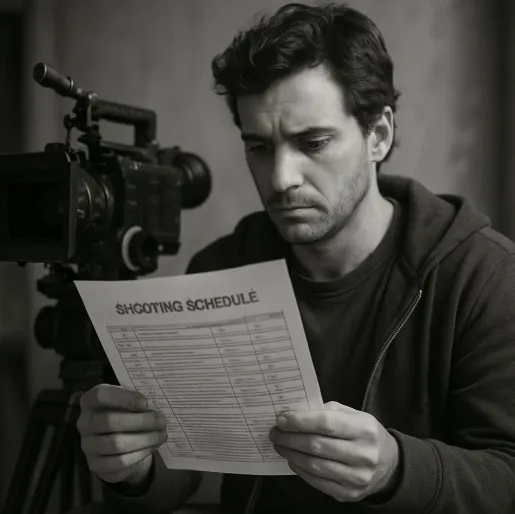
Creating a shooting schedule for a film may seem complicated, especially for beginners. However, it is one of the most important parts of the filmmaking process. A well-planned shooting schedule keeps production organized, ensures efficient use of time, and helps the entire team stay aligned throughout filming. Without a clear schedule, productions can easily face delays, increased costs, and confusion on set.
A shooting schedule outlines when and where each scene will be filmed. It helps coordinate actors, locations, equipment, and crew members so that the production runs smoothly. By carefully planning your movie schedule, you can manage resources effectively and avoid unnecessary downtime during filming.
In this guide, you will learn how to create a shooting schedule step by step. From breaking down your script to organizing scenes and managing logistics, these practical steps will help you build a production timeline that keeps your film project on track.
What Is a Shooting Schedule and Why Does It Matter?
A shooting schedule is a detailed production plan that outlines the order and timing of scenes to be filmed during a movie production. Instead of following the order of the script, scenes are usually organized based on factors like location availability, actor schedules, and production efficiency.
A well-structured schedule reduces chaos during filming and ensures that resources are used efficiently. It allows filmmakers to anticipate potential challenges and plan accordingly.
A good shooting schedule helps production teams:
Optimize the use of locations and equipment
Coordinate actors and crew availability
Reduce production costs and delays
Maintain a smooth filming workflow
Ultimately, a shooting schedule transforms your script into a practical filming plan. It bridges the gap between creative vision and real-world execution, making it a critical component of successful film production.
Key Components of a Shooting Schedule
A shooting schedule consists of several important elements that guide the entire filming process. Understanding these components helps filmmakers create a structured and realistic production plan.
The first component is the scene list, which includes scene numbers, descriptions, and script references. Scenes are organized based on production needs rather than the script sequence.
Another critical element is location planning. Scenes filmed at the same location are typically grouped together to reduce travel time and setup costs.
The schedule must also account for cast and crew availability. Actors, directors, cinematographers, and other essential crew members must be present when their scenes are filmed.
Other key components include:
Equipment and camera requirements
Props and costumes
Special effects or stunt preparation
Weather conditions for outdoor shoots
Carefully managing these elements ensures that filming proceeds efficiently and minimizes unexpected disruptions.
Step 1: Break Down the Script
The first step in creating a shooting schedule is performing a script breakdown. This process involves analyzing the screenplay and identifying all the elements required for each scene.
Begin by reviewing the script and highlighting every scene. Pay attention to details such as location, time of day, characters involved, and required props.
Next, identify production elements including:
Actors appearing in the scene
Props and costumes
Special effects or stunts
Equipment requirements
You should also estimate how long each scene may take to film. Longer or complex scenes may require additional setup time, rehearsals, and multiple takes.
A thorough script breakdown provides the foundation for building an organized and realistic shooting schedule.
Step 2: Identify Critical Elements (Locations, Cast, Props, and More)
Once the script is broken down, the next step is identifying all critical production elements.
Start by listing all filming locations and confirming their availability. Some locations may only be accessible during certain times, which can influence the shooting order.
Next, review the availability of your cast members. Coordinating actor schedules early helps avoid conflicts during filming.
You should also organize the required props, costumes, and equipment for each scene. Creating a detailed inventory ensures every department is prepared before the shoot begins.
Identifying these key elements early helps prevent last-minute surprises and ensures smoother coordination across the production team.
Step 3: Prioritize and Group Scenes
Prioritizing and grouping scenes improves efficiency during filming.
Some scenes depend on specific conditions, such as daylight, weather, or actor availability. These scenes should be prioritized in the schedule.
Another important strategy is grouping scenes by location. Filming multiple scenes at the same location during one block of time reduces travel costs and setup delays.
When organizing scenes, consider:
Location availability
Actor schedules
Equipment requirements
Lighting and weather conditions
Effective scene grouping helps maintain a steady production pace and reduces unnecessary interruptions during filming.
Step 4: Build Your Production Timeline
After organizing scenes, you can begin building your production timeline.
Start by defining the overall filming period, including the start and end dates of the production. Then divide the schedule into individual shooting days.
For each shooting day, assign specific scenes along with estimated time for setup, rehearsal, filming, and breakdown.
It is also important to include buffer time between scenes and production days. Unexpected delays such as weather changes, technical issues, or performance adjustments can impact the timeline.
A realistic production timeline helps ensure that filming stays on track while maintaining creative quality.
Step 5: Choose Your Scheduling Tools (Stripboards, Software, and Templates)
Using the right tools can make the scheduling process much easier.
Traditional stripboards are widely used in film production. They visually organize scenes using colored strips that represent different production elements.
Many filmmakers now prefer digital scheduling software, which allows automatic updates, team collaboration, and easier adjustments.
Templates are also helpful for beginners who need a structured format to organize production details.
Common scheduling tools include:
Stripboards for manual planning
Film scheduling software
Pre-built shooting schedule templates
Selecting the right tool depends on your project size, workflow preferences, and team collaboration needs.
Step 6: Factor in Logistics and Resource Management
Logistics play a major role in keeping a film production running smoothly.
This includes managing equipment transport, coordinating crew schedules, and ensuring that all resources are available when needed.
Important logistics considerations include:
Transportation between filming locations
Equipment setup and breakdown time
Crew availability and rest periods
Technical equipment checks
Proper logistics planning minimizes downtime on set and keeps the production moving efficiently.
Step 7: Plan for Contingencies and Buffer Days
Even the best shooting schedules must account for unexpected challenges.
Weather conditions, equipment malfunctions, or performance adjustments can cause delays. Including buffer days in the schedule provides flexibility to handle these situations.
To prepare for contingencies:
Identify potential risks early
Allow extra time for complex scenes
Keep backup plans for locations or equipment
Buffer days help maintain production quality without adding unnecessary stress to the team.
Step 8: Communicate and Collaborate with Your Team
A shooting schedule is only effective if the entire team understands it.
Clear communication ensures that every department knows their responsibilities and timing.
Production teams often hold daily briefings to review the schedule and discuss any updates.
Effective communication strategies include:
Sharing digital schedules with the entire crew
Holding regular production meetings
Encouraging feedback from department heads
Strong collaboration keeps the production organized and ensures everyone works toward the same goals.
Step 9: Review, Adjust, and Finalize Your Movie Schedule
Before filming begins, review the shooting schedule carefully.
Check for conflicts related to location access, actor availability, and equipment usage. Make adjustments wherever necessary to improve efficiency.
Once all departments approve the plan, finalize the schedule and distribute it to the entire team.
Pro Tips for an Efficient Shooting Schedule
Creating a great shooting schedule requires both planning and flexibility.
Here are a few professional tips that can improve your production workflow:
Use color coding to identify locations and departments quickly
Schedule complex scenes when the crew has the most energy
Allow realistic breaks for cast and crew
Use digital tools to update schedules quickly
Learning from past productions also helps refine your scheduling process over time.
Common Mistakes to Avoid in Film Scheduling
Many beginner filmmakers encounter scheduling challenges that can slow down production.
Some of the most common mistakes include:
Underestimating setup and preparation time
Ignoring actor availability conflicts
Failing to include buffer days
Scheduling too many scenes in one day
Forgetting crew breaks and meal times
Avoiding these mistakes can significantly improve the efficiency of your production.
Shooting Schedule Example (Template Guide)
A basic shooting schedule template typically includes the following elements:
Scene number and description
Filming location
Cast and crew required
Equipment or props needed
Estimated filming duration
Special notes or requirements
Using a structured template helps production teams visualize the workflow and stay organized throughout filming.
Frequently Asked Questions About Shooting Schedules
How long should a typical shooting day be? Most film productions schedule 10–12 hour shooting days, depending on the complexity of scenes and union regulations.
What happens if the schedule changes during filming? Production teams update the schedule and distribute revised call sheets to keep everyone informed.
How often should the schedule be updated? Schedules should be reviewed daily and adjusted whenever production conditions change.
Conclusion: Bringing Your Production Timeline to Life
Creating a shooting schedule is a vital step in turning a screenplay into a finished film. A well-organized schedule keeps the production team aligned, reduces delays, and ensures efficient use of time and resources.
By breaking down the script, organizing scenes strategically, and planning logistics carefully, filmmakers can build a realistic production timeline that supports both creativity and efficiency.
Remember that a shooting schedule is not static. It evolves as the production progresses. Staying flexible and maintaining clear communication will help bring your filmmaking vision to life.
Conclusion: Bringing Your Production Timeline to Life
Creating a shooting schedule is a vital step in turning a screenplay into a finished film. This Shooting Schedule for Beginners guide shows how proper planning keeps the production team aligned, reduces delays, and ensures efficient use of time and resources.
By breaking down the script, organizing scenes strategically, and planning logistics carefully, filmmakers can build a realistic production timeline that supports both creativity and efficiency.
Remember that a shooting schedule is not static. It evolves as the production progresses. Staying flexible and maintaining clear communication will help bring your filmmaking vision to life.
For filmmakers looking to simplify this process, tools like Studiovitycan make scheduling much easier. Studiovity helps creators manage the entire pre-production workflow from screenplay writing and AI script breakdown to shot lists, scheduling, and call sheets—in one platform. By using a dedicated production management tool, filmmakers can create, organize, and update their shooting schedules more efficiently while keeping the entire crew aligned throughout the filmmaking process
Traditional motion capture asks for three things most creators don’t have: a suit covered in reflective markers, a calibrated multi-camera volume, and a technician to