Filmmaking is a powerful medium for storytelling. It combines visuals, sound, and narrative to create immersive experiences. At the heart of this craft are the different types of shots. Each shot type serves a unique purpose, shaping how a story unfolds on screen. Understanding these shots is essential for filmmakers aiming to captivate audiences. This guide explores the diverse shots that define visual storytelling.
Why Filmmaking Shots Matter in Visual Storytelling
Filmmaking shots are the building blocks of visual narratives. They help convey emotions, set moods, and guide viewer focus. Each shot type enhances storytelling in distinct ways.
Filmmakers use shots to create rhythm and pacing. The right combination of shots engages and immerses the audience.
Consider these impacts of shot selection:
Establishes environment and context.
Highlights character emotions and reactions.
Creates tension or relief in scenes.
Essential Shot Types Every Filmmaker Should Know
A variety of shots are crucial for creating compelling films. Each type has a unique function in storytelling. Understanding these shots helps communicate narrative effectively.
Key shot types include:
Extreme Long Shot (ELS) / Wide Shot (WS)
Long Shot (LS) / Full Shot (FS)
Medium Shot (MS)
Medium Close-Up (MCU)
Close-Up (CU)
Extreme Close-Up (ECU)
Every filmmaker should master these essential shots.
Extreme Long Shot (ELS) / Wide Shot (WS)
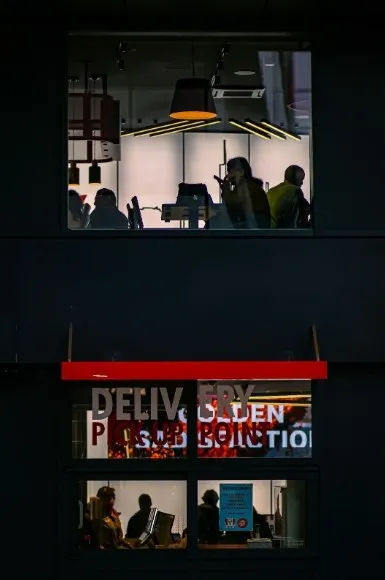
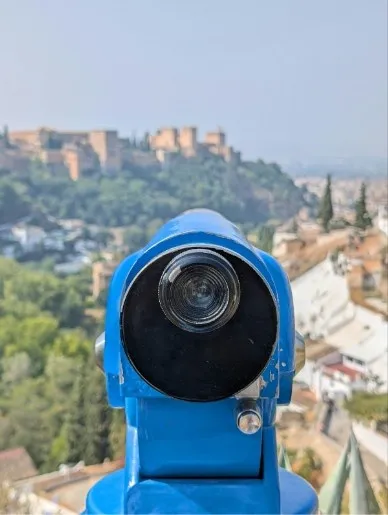
An Extreme Long Shot showcases vast environments. It sets the stage and provides broad context. Often used in opening scenes, it establishes the setting.
Long Shot (LS) / Full Shot (FS)
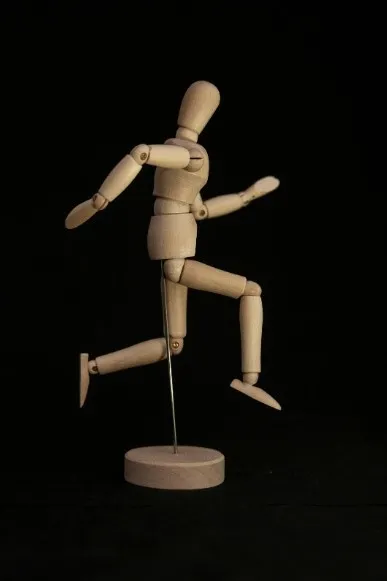
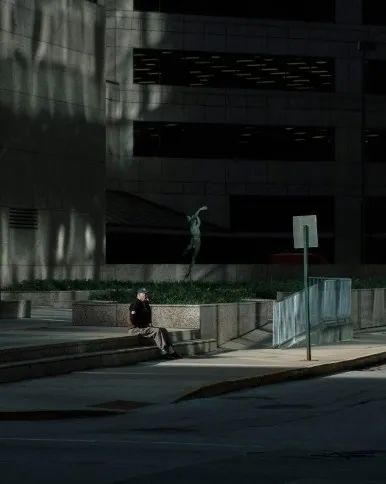
A Long Shot captures the entire body of the subject. This shot provides context by balancing character and environment. It’s ideal for action scenes or full-body movements.
Medium Shot (MS)
The Medium Shot frames subjects from the waist up. It balances character detail and background. Often used for dialogues, it maintains focus on interactions.
Medium Close-Up (MCU)
The Medium Close-Up focuses on the head and shoulders. This shot highlights facial expressions and emotions. It’s intimate yet versatile for many scenes.
Close-Up (CU)
A Close-Up zooms in on a subject’s face. It captures subtle expressions and generates emotional depth. It’s vital for scenes requiring intense, personal focus.
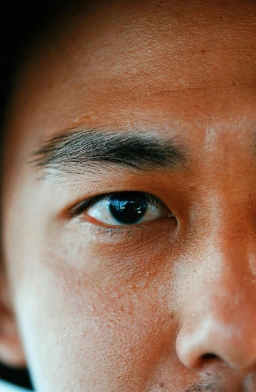
Extreme Close-Up (ECU)
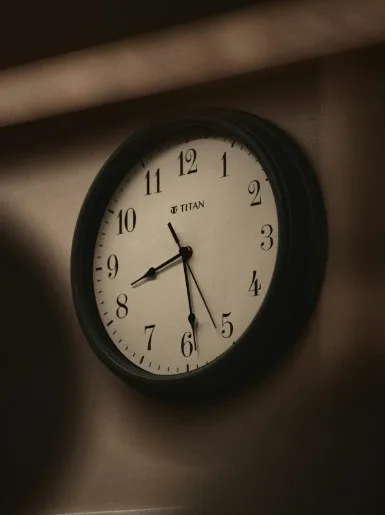
Extreme Close-Ups highlight minute details. This shot magnifies an element, adding dramatic emphasis. It’s best for showing intricate details like a tear or a trembling hand.
Camera Angles and Their Impact
Camera angles deeply influence mood and perception. They guide the viewer’s emotional response to scenes. Different angles can make a character appear strong or weak.
Notable angles include:
High Angle Shot
Low Angle Shot
Dutch Angle Shot
Bird’s-Eye View / Overhead Shot
Mastering these angles enriches visual storytelling. They alter narratives, adding layers of meaning and tension.
High Angle Shot
A High Angle Shot looks down upon subjects. It often diminishes their strength or importance. This angle effectively conveys vulnerability.
Low Angle Shot
The Low Angle Shot elevates subjects, making them seem powerful. It involves shooting from below eye level. This angle often suggests dominance or authority.
Dutch Angle Shot
A Dutch Angle tilts the frame, creating unease. It disrupts normality, adding tension. Filmmakers use it in suspense or action scenes.
Bird’s-Eye View / Overhead Shot
The Bird’s-Eye View offers a top-down perspective. It provides context and spatial orientation. This angle is often used for dramatic effect or establishing location.
Dynamic Shots and Movement
Dynamic shots breathe life into scenes. They add a sense of motion and excitement. Such shots keep viewers engaged and immersed in the story.
Common dynamic shots include:
Tracking Shot
Pan and Tilt Shots
Zoom Shot
These shots offer fluid transitions and dramatic enhancements. They maintain focus while navigating complex narratives. Creative use of movement can captivate audiences, elevating ordinary scenes into memorable experiences.
Tracking Shot
A Tracking Shot follows the subject smoothly. It often moves alongside the action, creating continuous flow and maintaining focus.
Pan and Tilt Shots
Pan Shots swivel horizontally, revealing new details. Tilt Shots move vertically, adding a different dynamic to narrative depth. Both enhance visual storytelling.
Zoom Shot
Zoom Shots modify focal length dramatically. They bring subjects closer or farther, adjusting viewers’ focus instantly. This can heighten tension or reveal hidden details.
Creative and Narrative Shots
Creative shots elevate storytelling by enhancing engagement. They offer unique perspectives and deepen emotional connections. Filmmakers use these to cleverly guide audience focus.
Some essential narrative shots include:
Over-the-Shoulder Shot (OTS)
Point-of-View Shot (POV)
Insert and Cutaway Shots
Mastering these techniques adds layers to the narrative. They seamlessly transition between various storytelling elements, enriching the viewer’s experience
Over-the-Shoulder Shot (OTS)
The Over-the-Shoulder Shot captures dialogue. It places the viewer in the character’s perspective, enhancing conversational engagement and intimacy.
Point-of-View Shot (POV)
The Point-of-View Shot simulates a character’s vision. It immerses viewers directly into their experience, heightening emotional and narrative impact.
Insert and Cutaway Shots
Insert and Cutaway Shots provide context or detail. They emphasize key elements and enhance narrative flow, offering deeper story insights.
Tips for Using Shots to Enhance Your Story
Employing the right shots can transform your narrative. Each shot type has a unique effect on storytelling dynamics. Understanding their impact is key.
To effectively use shots:
Experiment with different angles for mood.
Align shot choices with character emotions.
Consider pacing for a cohesive visual flow.
Continual experimentation helps refine your style. Observing other filmmakers can inspire fresh approaches. Integrate these techniques thoughtfully to elevate your visual storytelling.
Conclusion: Mastering Filmmaking Shots for Impactful Visual Storytelling
Mastering filmmaking shots is essential for creating compelling narratives. They enrich stories by conveying emotions and defining the audience’s perspective.
By thoughtfully combining different shots, filmmakers can deeply engage viewers. Mastery of these techniques elevates visual storytelling and leaves a lasting impact on audiences. Embrace the art of shot composition to bring your stories to life.
Traditional motion capture asks for three things most creators don’t have: a suit covered in reflective markers, a calibrated multi-camera volume, and a technician to