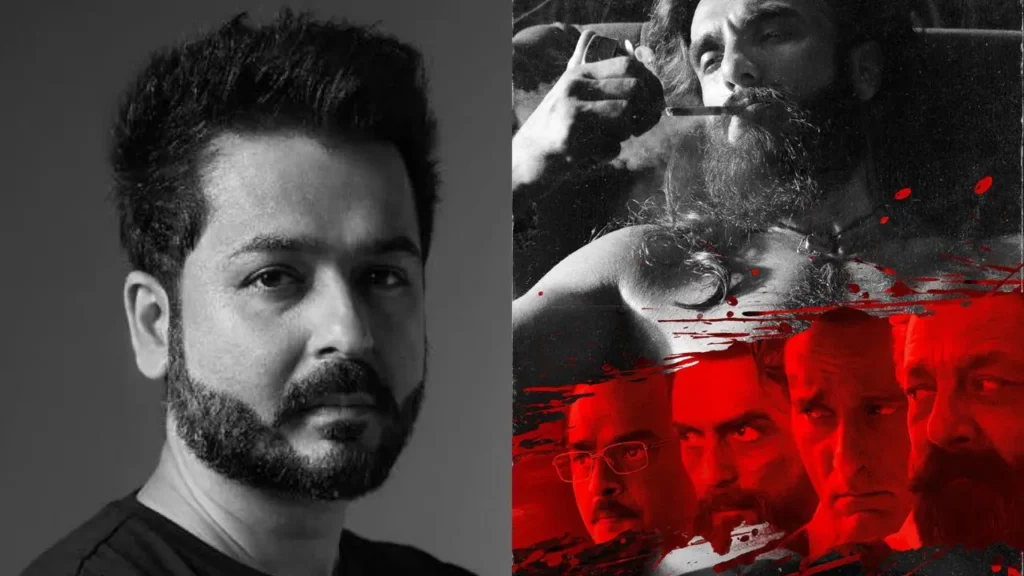
The massive Dhurandhar collection figures have officially redefined the benchmarks for Indian espionage thrillers in 2025. With a staggering worldwide gross crossing ₹935 Crores, the film is not just a creative triumph for director Aditya Dhar; it is a masterclass in production logistics. However, achieving a record-breaking Dhurandhar collection requires more than just star power; it demands a flawlessly executed production pipeline. For modern filmmakers aiming to replicate this level of commercial success, utilizing advanced pre production software is no longer optional—it is the baseline for survival.
Furthermore, the scale of Dhurandhar—spanning multiple international locations from Thailand to Lyari—presents a logistical nightmare that would crush an unprepared team. To manage such complexity, the production team likely relied on precise organization. Consequently, the Dhurandhar collection stands as a testament to what happens when a high-concept vision meets rigorous operational discipline. In this analysis, we will deconstruct the production pillars that enable such blockbusters. We will explore how tools like script breakdown and automated film scheduling are the unsung heroes behind these billion-rupee revenues.
The Blueprint: Why the Screenplay Dictates the Budget
Every major box office success begins with the written word. For Dhurandhar, the intricate plot involving undercover agents and complex geopolitical tensions required a watertight screenplay. A script of this magnitude is not merely dialogue; it is a technical manual for the entire crew. When a script is locked, the real work begins.
Moreover, the transition from page to screen is where money is either saved or lost. A professional screenplay editor allows directors to format scenes correctly, which is crucial for the subsequent breakdown. If the script formatting is flawed, the budget estimates will be inaccurate. Therefore, precision at the writing stage directly influences the efficiency of the shoot and, ultimately, the profit margin.
Deconstructing the Chaos: The Power of Script Breakdown
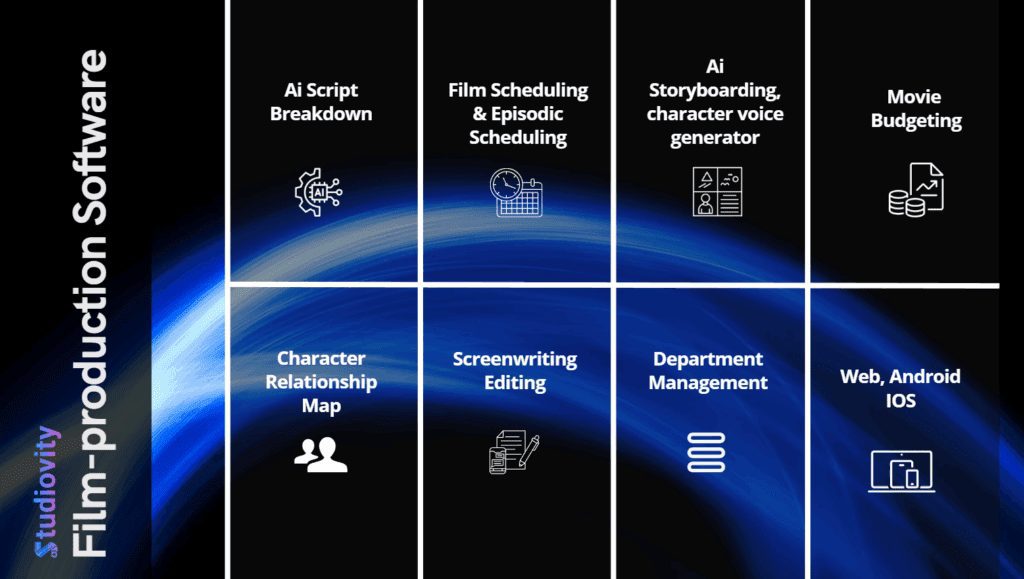
Once the script is finalized, the formidable task of tagging elements begins. Dhurandhar features heavy production design, including vintage vehicles, specific weaponry, and period-accurate costumes. Manually tracking these thousands of assets is impossible. This is where AI-driven breakdown tools become essential. By automatically identifying props, costumes, and locations, producers can generate instant reports.
Additionally, this granular level of detail allows the line producer to spot budget leaks before they occur. For instance, knowing exactly how many days a specific vintage car is needed prevents over-hiring. This efficiency ensures that the budget is spent on the screen, enhancing the production value that drives the Dhurandhar collection higher.
Visualizing the Mission: Storyboards and Shot Lists
Aditya Dhar’s direction in Dhurandhar is noted for its high-octane action sequences and tense, claustrophobic interiors. These sequences are impossible to execute efficiently without a detailed shot list. In the chaos of a film set, a shot list acts as the director’s compass.
Furthermore, integrating the shot list with a storyboard ensures that the cinematographer and the director are perfectly aligned. This alignment reduces setup time between shots. When the crew knows exactly where to place the lights and cameras, the production moves faster. Speed on set equals money saved, allowing more resources to be allocated to marketing and distribution.
Mastering the Clock: Advanced Scheduling Strategies
The most expensive resource on a film set is time. With a star-studded cast including Ranveer Singh, Akshaye Khanna, and Sanjay Dutt, scheduling conflicts could have been disastrous. Effective management of these high-profile dates requires a robust film production calendar.
A dynamic calendar allows the production team to pivot instantly if a location becomes unavailable or an actor falls ill. Instead of halting production, the schedule is rearranged to shoot cover scenes. This agility is critical for maintaining momentum. The ability to visualize the entire shoot on a stripboard ensures that the production remains efficient, keeping the project on time and under budget.
Command and Control: The Daily Call Sheet
On the ground, the daily call sheet is the law. For a massive production like Dhurandhar, ensuring that hundreds of cast and crew members are at the right place at the right time is a logistical feat. A digital call sheet system automates this process, tracking RSVPs and providing real-time weather and hospital updates.
Moreover, miscommunication regarding call times is the leading cause of on-set delays. By digitizing this process, production managers eliminate human error. Every minute saved on set contributes to the overall quality of the footage, which eventually translates to the audience’s experience and the box office returns.
Managing the Human Capital: Cast and Crew Coordination
Finally, a film is built by people. Managing the contracts, contact details, and dietary requirements of a massive cast and crew is a full-time job. Automated contact management systems ensure that the production office maintains a direct line to every department head.
Additionally, seamless communication facilitates better collaboration. When the costume department, art department, and camera team are in sync, the creative vision is realized without compromise. This unity of purpose is what elevates a standard action movie into a cinematic event like Dhurandhar.
Conclusion: The ROI of Organization
In conclusion, the record-breaking Dhurandhar collection is not an accident. It is the result of a compelling story executed with military precision. For filmmakers aspiring to reach these heights, the lesson is clear: invest in your pre-production infrastructure.
By utilizing integrated platforms for scripting, budgeting, and scheduling, you empower your creative team to focus on the art, while the software handles the logistics. The gap between an indie project and a blockbuster is often not just budget, but organization.
Script breakdown elements are the production requirements hidden inside every scene: the characters, background actors, props, set dressing, wardrobe, makeup, locations, vehicles, animals, stunts, effects