The release of the troll 2 movie on Netflix in late 2025marked a significant milestone. It redefined the scale of international streaming blockbusters. Following the massive success of the 2022 original, this sequel ramped up the stakes significantly. Moreover, it increased the destruction and production complexity. For filmmakers watching the carnage, the real story isn’t just about the giant kaiju. Rather, it is about the logistical mountain the crew climbed to get it there.
Managing a production of this magnitude requires more than just a big budget. Practical military assets often clash with high-end VFX creatures. Therefore, the project demands a flawless workflow. Whether you are shooting an indie feature or the next troll 2 movie, the gap between chaos and efficiency lies in your digital infrastructure.
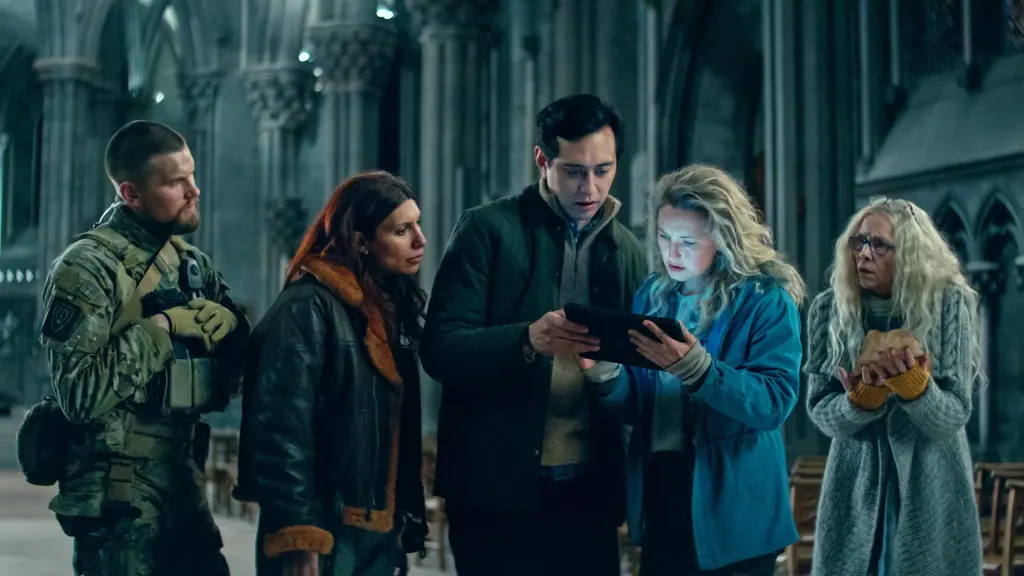
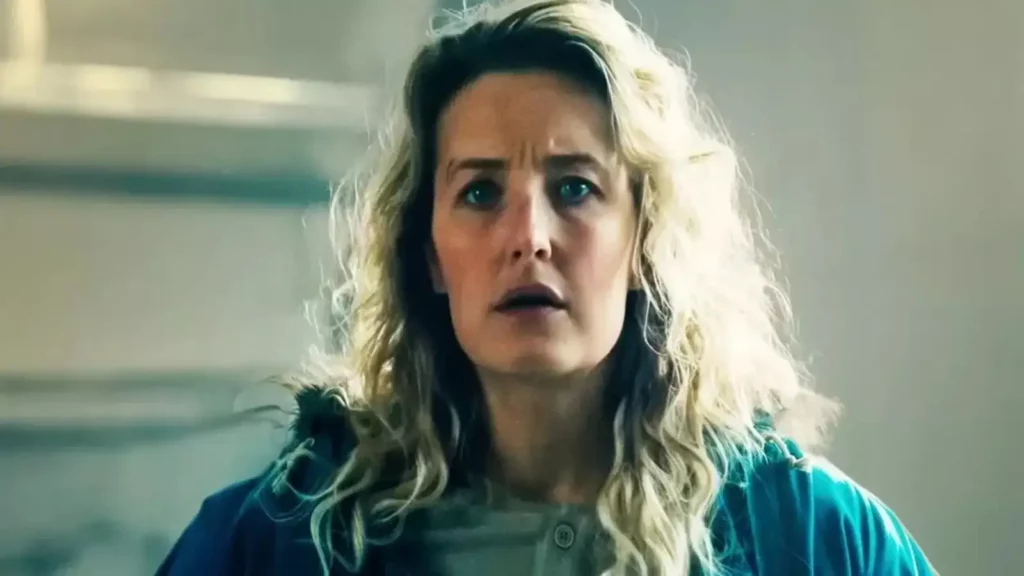
The 2025 troll 2 movie brings back paleontologist Nora Tidemann. She faces an even larger threat in this direct sequel. Consequently, the production spans multiple locations across Norway. It involves complex exterior night shoots, heavy pyrotechnics, and extensive CGI integration.
For a Line Producer, a project like this is a minefield. You aren’t just scheduling actors. Instead, you are scheduling weather windows in the mountains. Furthermore, you must manage the availability of heavy military vehicles. Additionally, expensive VFX supervision days require precise timing. This is where static spreadsheets fail. Dynamic pre production software becomes essential in this scenario.
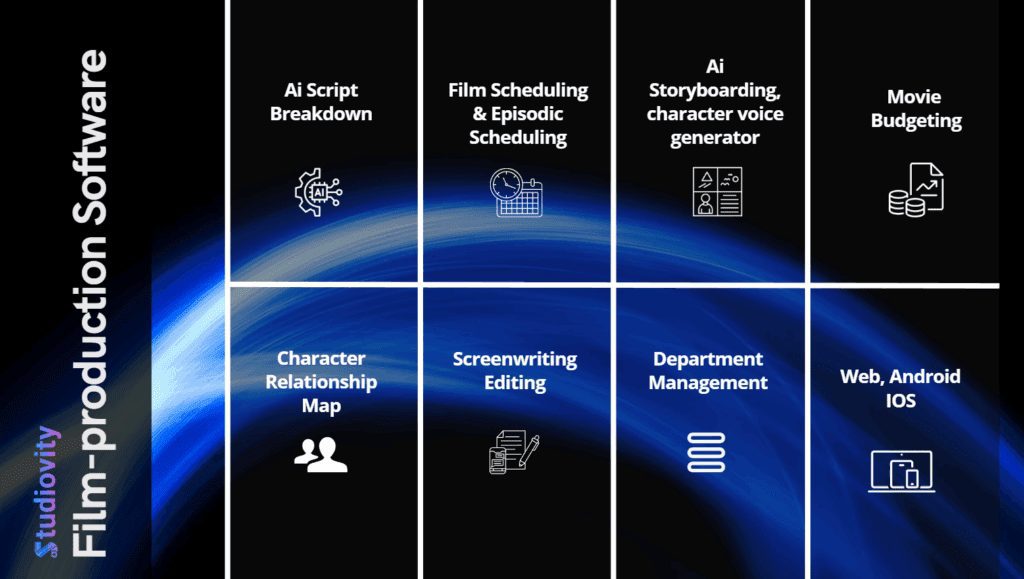
Modern tools allow production teams to centralize massive data sets. For instance, a change in the shooting schedule automatically updates the budget. As a result, the call sheets for hundreds of crew members update instantly. This level of automation is critical for keeping a monster movie on track.
Writing for the Beast
Every great production begins with the script. In the case of a VFX-heavy film, the screenplay is a technical blueprint. It must clearly describe both the emotional beats and the visual effects requirements. Writers often use structural tools like a Beat Board to map out the monster’s rampage.
Studiovity’s “dual-brain” philosophy supports this perfectly. It allows writers to outline visually before drafting the linear text. For the troll 2 movie, writers likely balanced intimate character moments with massive set pieces. The software’s AI features can even adjust tone and formality. This ensures the military dialogue sounds authentic while the emotional scenes remain grounded.
Breaking Down the Script
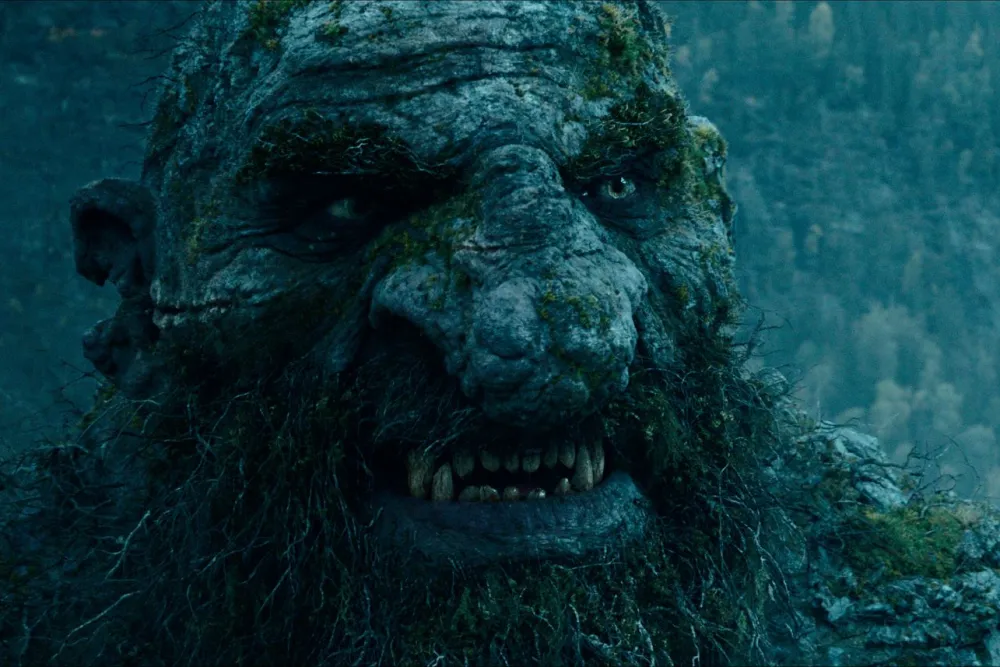
The foundation of any VFX film is the breakdown. In a script like the troll 2 movie, a single scene heading might read “EXT. MOUNTAIN ROAD – NIGHT.” However, the breakdown elements are immense. You have the principal cast and hundreds of panic-stricken extras. Additionally, you need specific military props and practical debris. Crucially, you must track the “VFX Placeholder” for the troll itself.
This creates a massive data management challenge. Fortunately, the script breakdown module handles this complexity. Using AI-enabled tools allows producers to instantly tag these elements. For example, the software analyzes the text automatically. If the script mentions “Jotun” (the new monster), the AI tags it for the VFX department.
Consequently, no shot is missed during the budgeting phase. Producers can then verify these tags manually. This “AI-assist, human-verify” workflow saves countless hours. It ensures granular detail, which is the only way to accurately forecast costs for a creature feature.
Scheduling the Chaos
Once the script is broken down, the challenge shifts to time. Film scheduling for a movie involving giant monsters is a puzzle of dependencies. You cannot shoot the military striking the troll immediately. First, the practical effects team must rig the explosions. Furthermore, you can’t rig explosions until the location permits are cleared.
Therefore, the Assistant Director (AD) relies on a digital stripboard. This tool allows them to arrange scenes efficiently. They can group scenes by location or even by “VFX Intensity.” This ensures the director captures the most technically difficult shots while the crew is fresh.
Additionally, the software supports automatic daybreaks. The AD can set a page count goal per day. The system then automatically sorts the schedule. This creates a balanced plan for the entire shoot. If a scene needs to be moved, the AD simply drags the strip to a new day. Consequently, the entire schedule adjusts instantly.
Managing the Macro Timeline
While the AD focuses on the daily schedule, the producers look at the big picture. A robust film production calendar is vital here. It visualizes the macro timeline. This includes pre-production, the shoot itself, and the massive post-production tail.
For the troll 2 movie, this timeline monitors critical milestones. For example, the VFX assets must be ready before the final edit begins. Moreover, the marketing team needs trailers by a specific date. The calendar integrates these discrete tasks. It ensures that no department falls behind.
This distinction between macro and micro planning is crucial. The calendar manages weeks and months. In contrast, the schedule manages hours and minutes. Both must work in harmony for a successful blockbuster.
Visualizing the Destruction
In a monster movie, scale is everything. The camera frequently looks up at a threat that isn’t physically there. Therefore, the cinematographer and the VFX vendors must speak the same language. A detailed shot list is non-negotiable.
Modern platforms allow directors to attach visuals directly to the shot list. They can use AI-generated storyboards to visualize the scene. For instance, the AI reads the script description. It then generates a visual panel of the troll destroying a bridge.
This helps the camera operator immensely. When they look at their digital schedule, they see the intended frame. They see a low-angle tilt revealing the monster. This is far better than just a text description. Consequently, this clarity reduces setup time. Ultimately, it saves thousands of dollars in wasted takes.
Advanced Lighting Simulation
For a film like troll 2 movie, lighting is critical. The CGI monster must blend perfectly with the live-action footage. This requires precise data. Tools like Filmlight Pro allow cinematographers to pre-visualize the physics of light.
They can simulate ambient light and specific camera settings. They can even test real-world lighting fixtures. This ensures the lighting on set matches the lighting in the computer. As a result, the VFX integration is seamless. This level of technical planning separates a B-movie from a blockbuster.
Logistics on the Ground
When the shooting day arrives, the data must reach the crew. The call sheet is the heartbeat of the set. For a production with the scope of the troll 2 movie, the call sheet handles complex logistics.
It lists distinct call times for the prosthetic makeup team. It details arrival times for military advisors. Additionally, it includes safety notes for pyrotechnics. Generating this document manually is risky. Errors can lead to costly delays.
However, modern software automates this process. The “Magic Call Sheet” feature pulls data directly from the schedule. The AD simply clicks a button. The system then populates the scenes, cast, and locations automatically. This ensures accuracy and saves valuable time at the end of a long shoot day.
Managing Cast and Crew
A film set is a human ecosystem. Efficient management of the cast and crew prevents burnout. The contact book feature centralizes this data. It distinguishes between the production company’s master list and the specific project list.
This means producers can easily import trusted vendors for the sequel. They don’t need to re-enter data. Furthermore, automated notifications keep everyone informed. If the shoot in the mountains is delayed by a blizzard, the team knows instantly. The second unit in the studio can adjust their plans. This keeps the entire machine running smoothly.
Conclusion
The troll 2 movie (2025) stands as a testament to ambition. It showcases the power of international cinema. However, behind every roaring monster is a team of producers. They rely on precision planning. By leveraging integrated production technology, filmmakers can tame even the biggest beasts. They deliver spectacle on time and on budget.