Chaos is the default state of any film set. Without a rigorous roadmap, even the most brilliant creative concepts can collapse under the weight of logistical errors and budget overruns. Learning exactly how to plan a film movie effectively is the difference between a box office hit and a productionnightmare. Whether you are an independent director or a line producer at a major studio, the principles of pre-production remain the same: rigorous deconstruction, precise scheduling, and financial accountability. This guide will walk you through the professional workflow required to turn a screenplay into a finished motion picture.
The planning process cannot truly begin until you have a locked screenplay. While creative changes are inevitable, moving into logistical planning with a fluid script is a recipe for disaster. Once your script is finalized in your screenwriting software, the first operational step is deconstruction.
You must analyze every scene to understand its physical requirements. This is not just about reading for the story; you are reading for logistics. You need to identify every prop, vehicle, animal, extra, and special effect required to bring the story to life. This process, known as the “script breakdown,” transforms your literary document into a data-driven asset list.
Phase 2: Master the Script Breakdown
A professional script breakdown is the foundation of your entire production schedule. If you miss a prop in the breakdown, it won’t be on the truck on the day of the shoot. Consequently, mastering how to plan a film movie requires meticulous attention to detail during this phase.
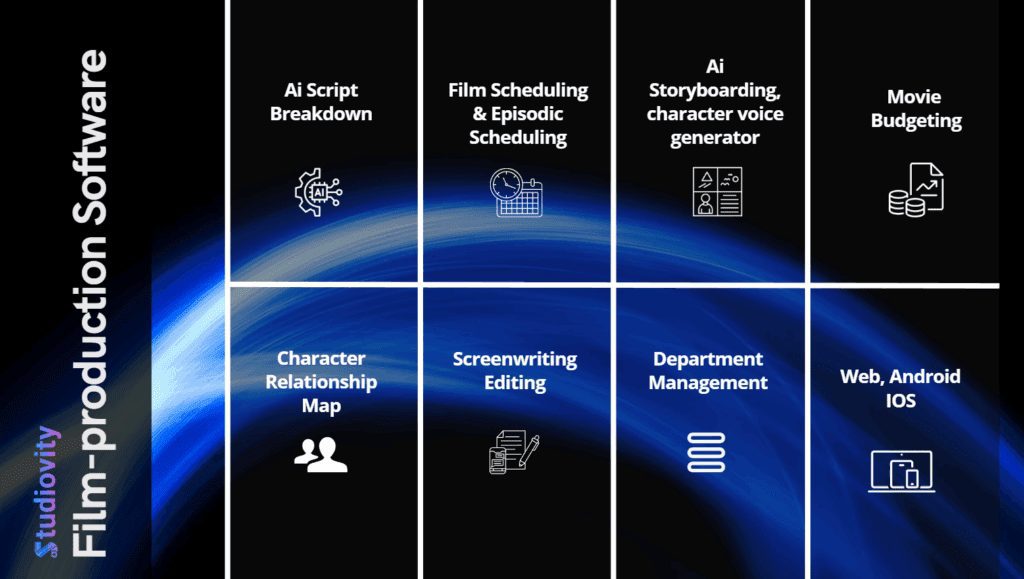
Traditionally, producers used highlighters and paper strips. Today, you can use AI script breakdown tools to automate this heavy lifting. These tools instantly tag elements like cast members, costumes, and locations, turning days of manual data entry into minutes of verification. This speed allows your team to focus on creative problem-solving rather than data entry. Furthermore, accurate breakdowns ensure that your budget estimates are based on reality, not guesswork.
Phase 3: Strategic Budgeting and Financing
Once you have identified your assets, you must assign a cost to them. A film budget is a living document that communicates your creative priorities in financial terms. You will need to create a “Top Sheet” for investors, which provides a high-level summary, and a “Detailed Sheet” for your production manager, which tracks every line item.
Effective film budgeting software allows you to track “Estimated” versus “Actual” costs in real-time. This visibility is critical. If you overspend on locations, you must know immediately so you can trim costs elsewhere, perhaps in the art department or catering. In addition, you must account for “fringes”—the hidden costs of payroll taxes, union fees, and insurance. Ignoring these can bankrupt a production before the first camera rolls.
Phase 4: Scheduling and Logistics
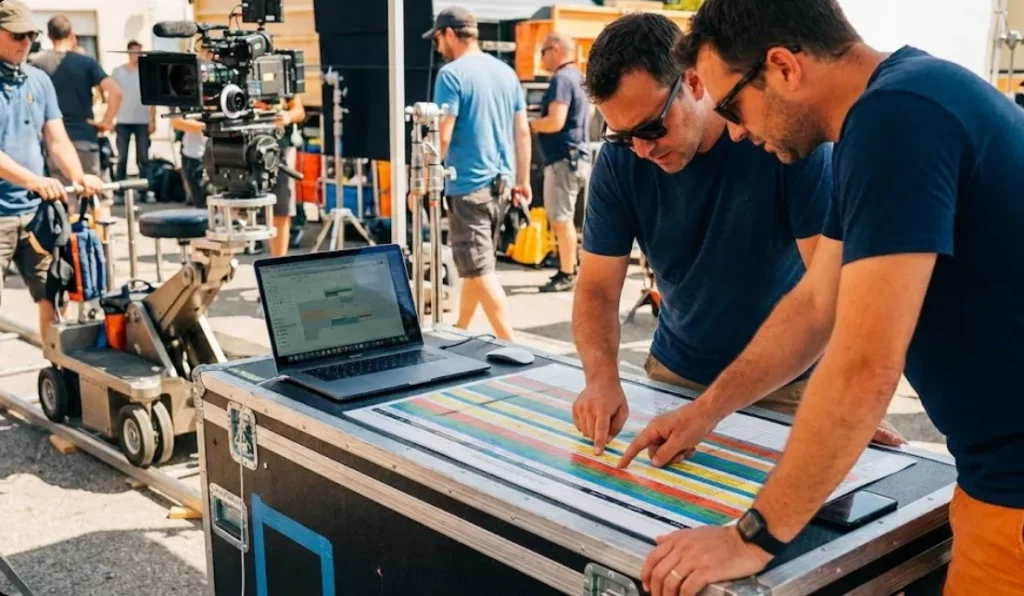
Now that you know what you need (Breakdown) and how much it costs (Budget), you must decide when to shoot it. This is the puzzle of scheduling. You rarely shoot a film in chronological order. Instead, you group scenes by location and cast availability to maximize efficiency.
Using a digital stripboard or scheduling tool, you arrange your scenes into shooting days. You must consider variables like “Day/Night” splits, child actor working hours, and company moves. A rookie mistake when learning how to plan a film movie is to overload the schedule. Always calculate your page count per day carefully. A dialogue-heavy drama might allow for 6-8 pages a day, while an action sequence might limit you to 1/8th of a page.
Phase 5: Visualization with Shot Lists and Storyboards
While the producers handle logistics, the director and cinematographer must align on the visual plan. A shot list serves as your daily battle plan. It details every specific camera angle, lens choice, and camera movement required for a scene.
To communicate complex visual ideas, use storyboarding tools. You don’t need to be a professional artist; modern AI tools can generate cinematic frames directly from your script text. This visualization helps the entire crew understand the director’s vision. For example, if the gaffer sees a storyboard indicating a moody, low-key lighting setup, they can prep the correct fixtures in advance, saving valuable set time.
Phase 6: Crewing Up and Communication
A plan is only as good as the team executing it. As you move closer to production, your focus shifts to crew management and communication. You need a centralized system to manage contact details for your cast, crew, and vendors.
The daily call sheet is the most critical document on a set. It tells everyone where to be, when to be there, and what scenes are being shot. Professional productions never create call sheets manually from scratch. Instead, they generate them directly from the schedule using call sheet software. This automation ensures that if a scene changes in the schedule, the call sheet updates automatically, preventing costly miscommunications.
Conclusion
Filmmaking is a complex orchestration of art and logistics. By following these steps—deconstruction, budgeting, scheduling, visualization, and communication—you mitigate risk and create a protected space for creativity to flourish. Understanding how to plan a film movie is not just about logistics; it is about respecting the craft and the resources at your disposal.
Ready to streamline your entire pre-production workflow?
Script breakdown elements are the production requirements hidden inside every scene: the characters, background actors, props, set dressing, wardrobe, makeup, locations, vehicles, animals, stunts, effects