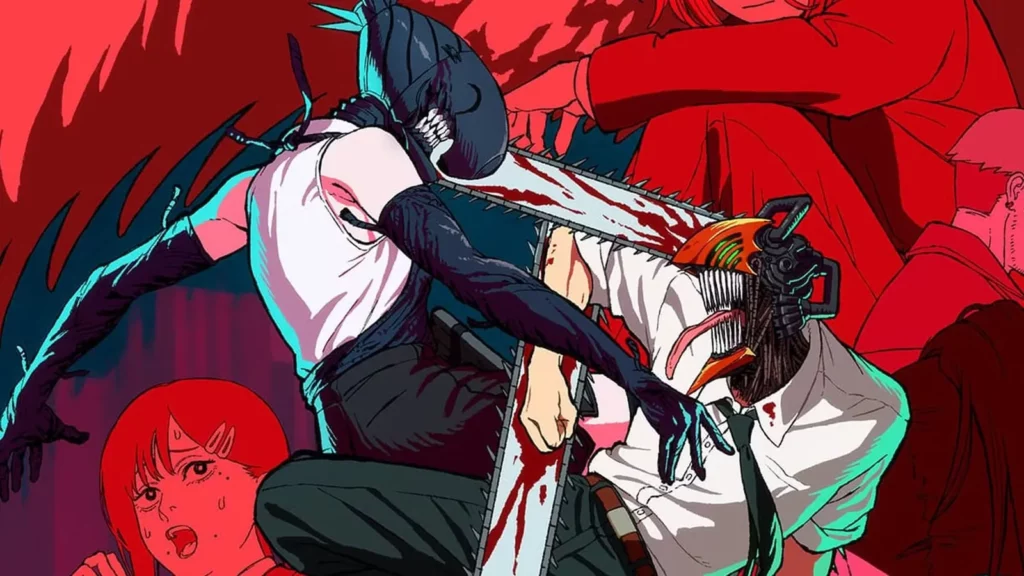
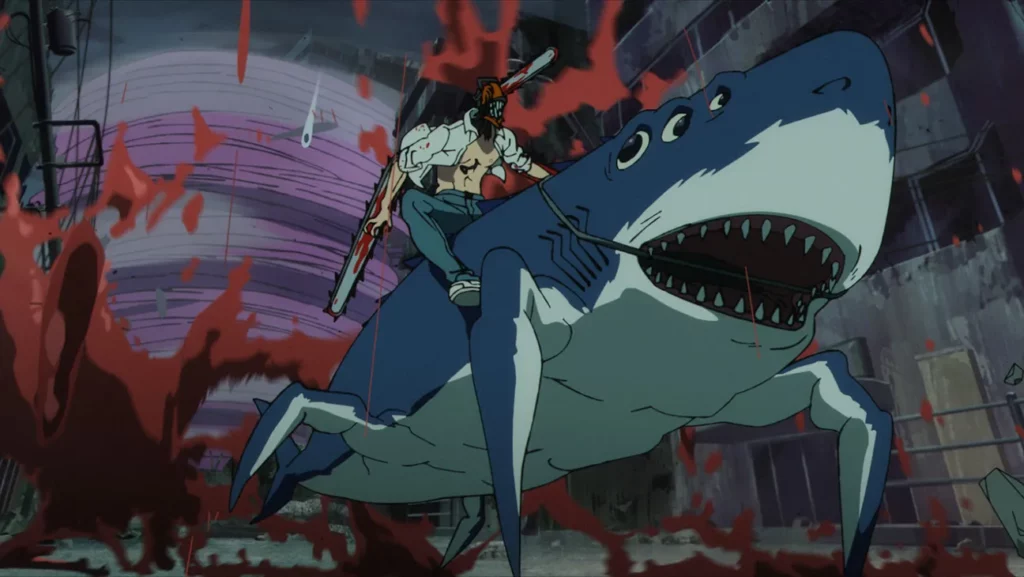
The release of the Chainsaw Man movie marks a pivotal moment in modern animation history. Unlike traditional productions, the Chainsaw Man movie represents a massive financial gamble by Studio MAPPA, who opted for 100% direct investment rather than a production committee. Consequently, the success of the Chainsaw Man movie—specifically the Reze Arc—has forced the entire industry to rethink how high-budget films are planned, budgeted, and executed.
However, executing a project of this scale requires more than just capital; it demands flawless logistical precision. If you are a producer or director aiming for this level of quality, you need a workflow that scales.
The "100% Investment" Risk: A New Era for Film Budgeting
Traditionally, anime is funded by production committees to mitigate risk. However, MAPPA bucked this trend for the Chainsaw Man franchise. By financing the project entirely internally, they retained 100% of the creative control and profits.
This strategy is high-reward, but it is also incredibly dangerous. Without external safety nets, every dollar must be tracked with forensic accuracy. Producers cannot afford overruns when the studio’s own capital is on the line.
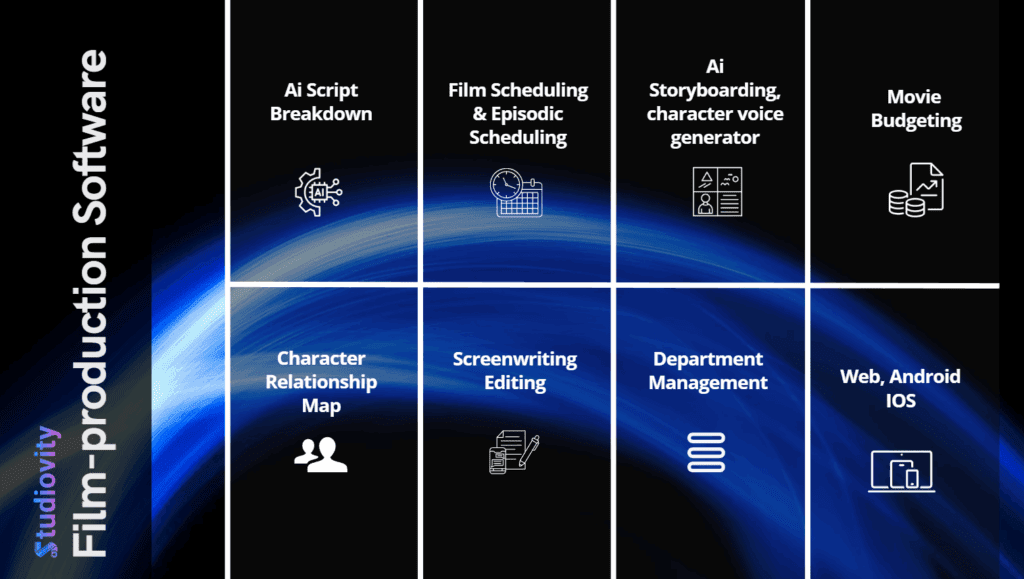
Therefore, precise financial tracking is non-negotiable. Modern production houses use advanced tools like Studiovity’s Movie Budgeting Software to manage top sheets, track fringes, and monitor actuals vs. estimates in real-time. Whether you are funding an indie feature or a studio blockbuster, financial visibility is the only way to protect your investment.
Visualizing Chaos: Storyboarding the Bomb Girl Arc
The Reze Arc is defined by its explosive, kinetic action. Director Tatsuya Yoshihara had to visualize complex sequences where characters transform, fly, and detonate mid-air.
Creating these sequences requires a “shot division” process that bridges the gap between the script and the final frame. For instance, a single page of action in the manga might require forty distinct shots in the film.
To achieve this, directors use digital tools to visualize the flow before a single frame is drawn. With Studiovity’s AI Storyboarding, you can instantly generate cinematic panels from your script text. This allows you to experiment with camera angles—high-angle for vulnerability, low-angle for power—without needing a team of concept artists on standby.
Managing the Schedule: The "MAPPA Crunch" Factor
Production efficiency is the silent killer of great animation. The Chainsaw Man production was notorious for its intense schedule. Reports of animator burnout and tight deadlines highlight the critical need for better time management.
A production of this magnitude involves hundreds of artists, voice actors, and sound engineers. Coordinating these departments requires a master schedule that is both rigid and flexible.
Professional Assistant Directors (ADs) rely on tools like Studiovity’s Scheduling Software. By using a digital stripboard, ADs can group scenes by location or character, add daybreaks, and optimize the shoot to prevent burnout. Efficient scheduling isn’t just about saving money; it is about saving your crew.
The Controversy of Credit: Moral Rights in Production
The production was not without controversy. Discussions erupted regarding the credits of previous directors in compilation releases. This incident sheds light on a critical aspect of production management: permissions and credit tracking.
In a professional workflow, transparency is key. You must ensure that every contributor—from the screenwriter to the VFX supervisor—is accurately logged and credited.
Using a centralized platform like Studiovity’s Project Management allows you to maintain a “single source of truth.” You can track who edited the script, who approved the budget, and who designed the shots. This data integrity is essential for legal compliance and maintaining team morale.
From Script to Screen: The Reze Arc Narrative
At its core, the movie succeeds because of its script. The Reze Arc balances high-octane horror with a tragic romance. Structuring this narrative requires a deep understanding of pacing.
Screenwriters must balance dialogue-heavy scenes with visual storytelling. For example, Denji’s interactions with Reze in the café are slow and intimate, contrasting sharply with the violent climax.
Writers can master this balance using Studiovity’s Screenwriting Software. Features like the “Beat Board” allow you to map out emotional highs and lows visually, ensuring that the pacing remains tight throughout the film.
Conclusion: Build Your Own Masterpiece
The Chainsaw Man movie proves that bold risks yield massive rewards, but only when backed by rigorous execution. You do not need a MAPPA-sized budget to adopt a MAPPA-level workflow.
By centralizing your script, breakdown, schedule, and budget, you enable your team to focus on creativity rather than logistics.
Traditional motion capture asks for three things most creators don’t have: a suit covered in reflective markers, a calibrated multi-camera volume, and a technician to