
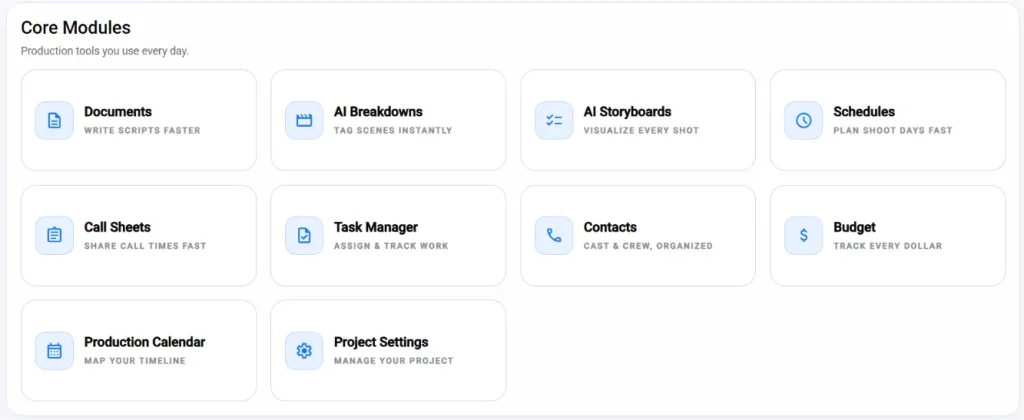
Film production software transforms education completely. Platforms like Studiovity Education offer specialized student plans and institutional discounts, making advanced pre-production and editing tools accessible for classrooms. It offers students hands-on experience in video editing and production.
These tools are not just for aspiring filmmakers. They enhance learning across various subjects.
Video editing apps help students develop technical skills. They prepare students for future careers in media and technology.
Editing software allows students to express creativity. They can engage in digital storytelling and multimedia projects.
Using Film Production Software for Students fosters collaboration. Students learn teamwork and communication skills.
These tools support diverse learning styles. They cater to visual, auditory, and kinesthetic learners.
Film Production Software for Students bridges theory and practice. It helps students apply knowledge in real-world contexts.
Educators can integrate these tools into the curriculum. This enhances student engagement and learning outcomes.
The Role of Film Production Software for Students in Modern Education
Film production software has found a crucial place in modern education. These tools are more than just for creating films. They serve as vehicles for active learning and engagement.
Students gain practical experience through video editing apps. This experience spans various subjects, adding depth to learning. They can create digital projects that reflect their understanding.
Teachers utilize editing software for diverse educational purposes. These include enhancing presentations, creating interactive lessons, and offering alternative assessments. It makes teaching more dynamic and effective.
The integration of these tools supports a well-rounded education. Students become familiar with industry-standard software. They also learn essential skills for the evolving job market.
Benefits of Film Production Software for Students in Education
Enhances student engagement with interactive content
Provides hands-on experience with real-world applications
Supports diverse learning styles, enhancing inclusion
Enables creative expression through multimedia projects
Incorporating film production into education encourages critical thinking. Students learn to plan, script, shoot, and edit their projects. These activities build their confidence and prepare them for future challenges.
Enhancing Creativity Through Video Editing Apps
Video editing apps open new doors for student creativity. These digital tools invite students to explore and innovate. They encourage unique storytelling using rich multimedia elements.
Through video editing, students can express themselves in untraditional ways. Whether crafting short films or multimedia presentations, they bring imagination to life. They learn to incorporate audio, visuals, and narratives seamlessly.
Video editing apps come equipped with numerous features. These allow students to experiment with effects, transitions, and animations. It inspires them to think outside conventional boundaries and craft distinct works.
Creative Benefits of Video Editing Apps
Experiment with different storytelling techniques
Develop unique narrative styles through various media elements
Explore new artistic approaches using digital tools
Incorporating these tools helps educators encourage creativity across curriculum areas. Students can transform history lessons into dynamic visual reports. Science projects can become engaging video documentaries.
By working on video projects, students also learn to communicate creatively. They express complex ideas in digestible formats, encouraging peer engagement. They gain confidence in presenting their insights and discoveries.
Building Technical and Digital Literacy Skills
Film production software plays a crucial role in developing digital literacy. Students gain hands-on experience with advanced technologies. These tools prepare them for future digital landscapes.
Working with editing software, students become familiar with technical processes. They learn the intricacies of video formats, file management, and editing timelines. This technical know-how becomes a vital skill for modern careers.
The interactive nature of these tools boosts students’ competence in technology. They progress from basic editing tasks to more complex projects. Their growing expertise reflects in high-quality outputs and streamlined workflows.
Skills Enhanced by Film Production Software for Students
Understanding complex software interfaces and functionalities
Managing digital files and media effectively
Creating polished, professional-grade video content
Educators can see improvements in students’ problem-solving abilities. By navigating technical challenges, students develop resilience and adaptability. These skills help them handle real-world digital tasks with ease.
Through consistent use of video editing apps, students’ digital confidence grows. They not only learn to use software but also to innovate with it. As they master these tools, they’re better equipped for digital demands beyond the classroom.
Fostering Collaboration and Teamwork
Film production software is a gateway to collaborative learning. Students often work together on projects, promoting teamwork. These experiences mirror real-world scenarios in media production.
Team-based projects foster communication and idea-sharing. Each student brings unique strengths to the table. Whether scripting or editing, every role is crucial for the final product.
Students learn the importance of effective collaboration. They develop strategies to combine various creative inputs. This collective effort results in richer and more diverse outputs.
Collaboration Benefits in Film Production
Enhanced communication skills
Shared responsibilities and roles
Diverse creative perspectives
Problems and solutions become group concerns, teaching compromise and patience. Students learn to negotiate different viewpoints, building empathy and cooperative skills. This teamwork enhances both individual and project success.
Film projects often have deadlines, mimicking real-world pressures. Teams must manage their time wisely to meet targets. These experiences prepare students for working environments where collaboration is key.
Supporting Diverse Learning Styles and Inclusion
Film production software caters to different learning styles. Visual learners benefit from video content creation. Auditory learners thrive with sound integration.
This inclusivity extends to kinesthetic learners. They engage hands-on with cameras and editing tools. Such diverse involvement enriches learning experiences.
Learning Styles Supported by Film Production
Visual: Storyboarding and editing
Auditory: Sound design and music selection
Kinesthetic: Hands-on camera work
Inclusion is a cornerstone of modern education. Film projects allow students to express individuality while learning collaboratively. This encourages a sense of belonging among peers.
Educators can tailor film projects to highlight unique student talents. Each project becomes a platform for students to shine. This approach fosters an inclusive classroom environment, accommodating various needs.
Integrating Film Production Across the Curriculum
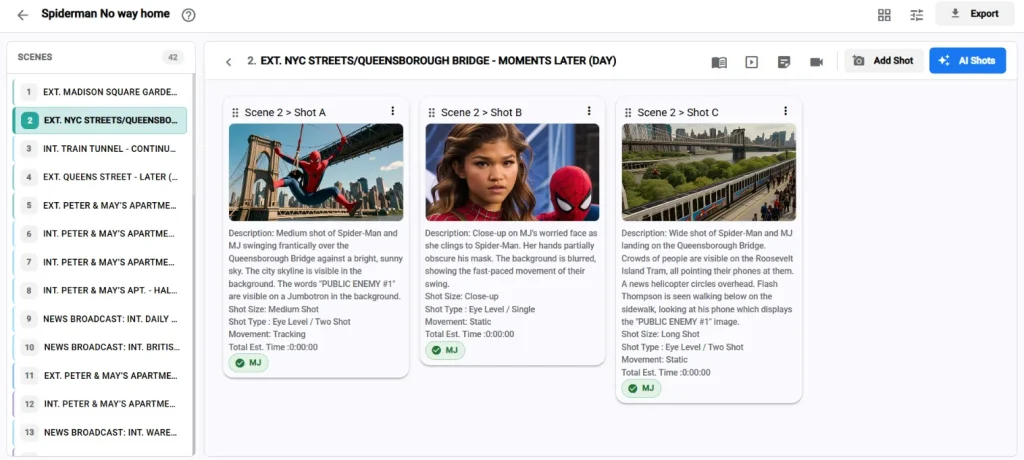
Film production tools seamlessly fit into various subjects. In language arts, students can create digital stories. This enhances both writing and communication skills.
In science classes, students can document experiments. They can produce videos demonstrating scientific principles. This makes complex ideas easier to understand.
Subjects Enhanced by Film Production
Language Arts: Storytelling and scriptwriting
Science: Experiment documentation and explanations
Social Studies: Historical reenactments and documentaries
Art: Visual creativity and animation projects
Social studies benefits greatly from film integration. Students can reenact historical events or create documentaries. This makes history more engaging and relatable.
Art classes find a new dimension with film. Students use video editing apps to craft animations. This encourages creative exploration and skill diversification.
Film projects often exceed traditional assignment scope. They bring curriculum topics to life in dynamic ways. This integration transforms standard learning into an engaging experience.
Developing Critical Thinking and Problem-Solving Abilities
Film production demands meticulous planning and execution. Students must brainstorm, script, and organize their ideas. This cultivates critical thinking and strategic planning skills.
The process often presents unforeseen challenges. Technical issues or creative blocks can arise. Students learn to troubleshoot and find innovative solutions.
Critical Thinking and Problem-Solving Skills Developed
Strategic planning and organization
Troubleshooting technical issues
Adapting to creative challenges
Making informed decisions
Analyzing results and refining methods
Producing a film requires decision-making at every step. Students must choose suitable tools and techniques. They assess various options, refining their decision-making abilities.
Each completed project results from persistence and creativity. This instills a sense of accomplishment and confidence. Students emerge with enhanced problem-solving capabilities.
Real-World Applications and Career Preparation
Film production software bridges academic learning and real-world applications. Students gain experience in a field with diverse career paths. These tools prepare them for the media and entertainment industries.
Skills acquired in film production go beyond the classroom. They are applicable in advertising, marketing, and education. Students learn to create content that communicates effectively across various platforms.
Real-World Skills Acquired
Content creation and storytelling
Mastery of software tools and technology
Understanding of production workflows
Effective communication and teamwork
Adapting to industry trends
The process of creating film projects mirrors professional environments. Students learn to meet deadlines and manage resources. This trains them for real-life job expectations and pressure.
Career readiness is a significant benefit of using these tools. Students leave with a portfolio of work showcasing their talents. This can be instrumental in securing internships and job opportunities.

Overcoming Challenges in Implementing Editing Software
Incorporating film production software in education comes with challenges. Schools may face budget constraints or lack technical support. These hurdles require creative solutions and resource allocation.
Teachers need adequate training to use these tools effectively. Professional development can bridge this gap. It’s crucial for educators to feel confident in guiding student projects.
Strategies to Tackle Challenges
Apply for educational grants
Leverage free or discounted software versions
Organize peer-to-peer training sessions
Foster community partnerships
Despite these obstacles, the benefits outweigh the difficulties. With commitment, schools can provide access to essential technology. This enhances the educational experience for all students.
By addressing these challenges, institutions can offer enriched learning environments. This empowers students to explore technology and develop vital skills.
Measuring Student Growth and Learning Outcomes
Evaluating student growth through film production software involves diverse metrics. It’s not just about the final product. The process offers insights into student learning, creativity, and engagement.
Teachers can assess various aspects of student development. They can track progress in problem-solving, teamwork, and technical skills. These are crucial for a comprehensive understanding of learning outcomes.
Key Areas to Assess
Creative expression and storytelling ability
Technical proficiency with editing software
Collaboration and communication skills
Critical thinking and planning aptitude
Film projects encourage student reflection and self-assessment. This helps them recognize areas for improvement. These reflective practices are vital for lifelong learning and adaptation.
Overall, using editing software in education provides tangible evidence of student achievement. It showcases their ability to integrate knowledge and skills creatively.
Inspiring Lifelong Learning and Innovation
Film production software sparks a lifelong interest in learning and creativity. It encourages students to explore new ideas and technologies. This curiosity leads to innovative thinking and problem-solving.
By engaging with video editing tools, students gain confidence in using digital media. They learn to adapt swiftly to new technological advancements. This adaptability is crucial in our fast-evolving world.
Moreover, the process fosters an innovative mindset. Students experiment with various storytelling techniques. This nurtures a passion for continuous learning and exploration. As a result, film production tools have a lasting effect beyond the classroom.
Conclusion: The Lasting Impact of Film Production Software for Students on Student Learning
Film production software has reshaped how students learn, offering a hands-on approach to education. By integrating these tools, educators promote creativity, technical skills, and collaboration. The impact is seen not only in academic settings but also in students’ readiness for the future workforce.
These tools make learning exciting and relevant, fostering skills valuable in various careers. As students engage in digital storytelling, they develop critical thinking and problem-solving abilities. Film Production Software for Students thus leaves a lasting imprint on education, inspiring students to pursue lifelong learning and innovation. This prepares them to excel in an ever-changing digital world.