
ByteDance has launched an AI short drama studio inside its Jimeng AI platform, bringing script development, character and scene creation, storyboarding, video production and post-production into one workflow, TechNode reports. For filmmakers watching the microdrama boom, the useful part isn’t the hype. It’s how the tool organises a story before it makes a single frame.
What ByteDance’s AI Short Drama Studio Does
According to TechNode and TokenPost, the studio launched on October 26 and runs on three in-house models:
- DreamScript writes scripts. It can analyse novels of up to 100,000 Chinese characters, generate up to 100 episodes in sequence, check for plot conflicts and review character settings.
- Anycook generates images for characters and scenes.
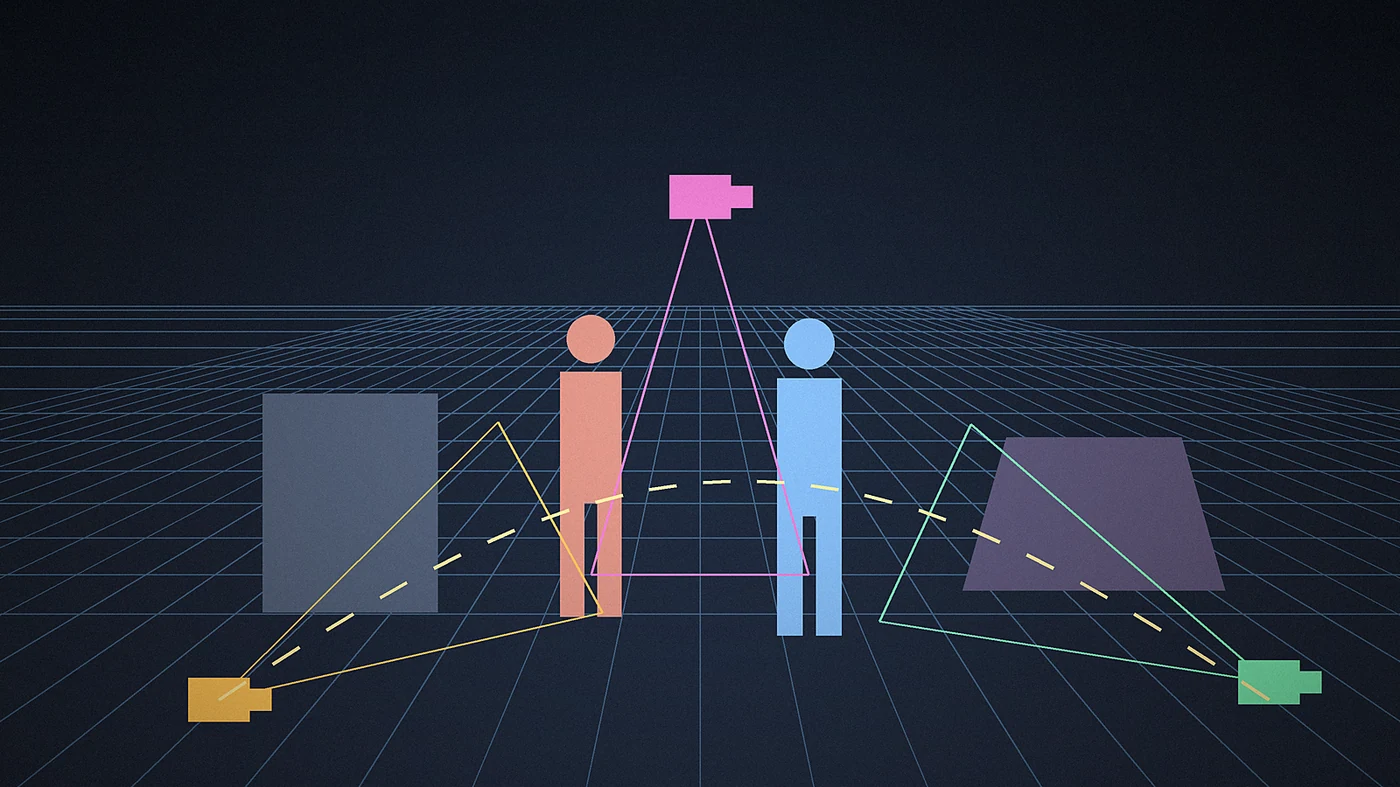
- DreamShot handles storyboards, with a 3D space for adjusting camera positions and movement and previewing shots.
A reusable library organises characters, clothing and locations, and users can regenerate individual shots instead of whole episodes.
The Regional Remake Feature
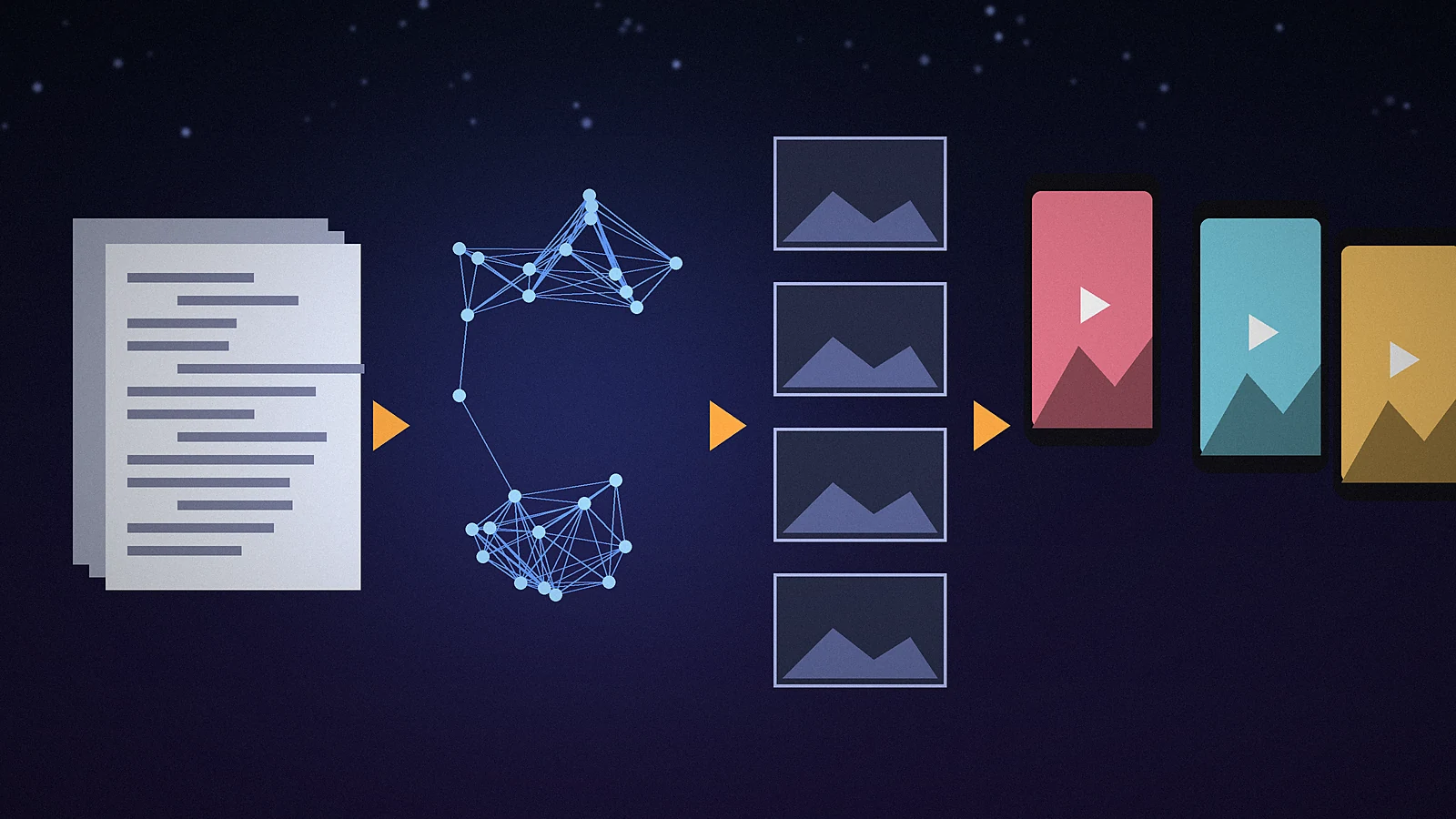
The most talked-about tool is the remake. TokenPost reports that a user uploads a finished drama, and the system identifies its characters, settings, props and shots. It then generates new visuals for a chosen region, style and aspect ratio while aiming to keep the original pacing and shot language. TokenPost adds that many of these features already existed in ByteDance’s Xiaoyunque app, which added a short-drama agent in March and a remake feature by August.
Why Script Breakdown Still Drives AI Production
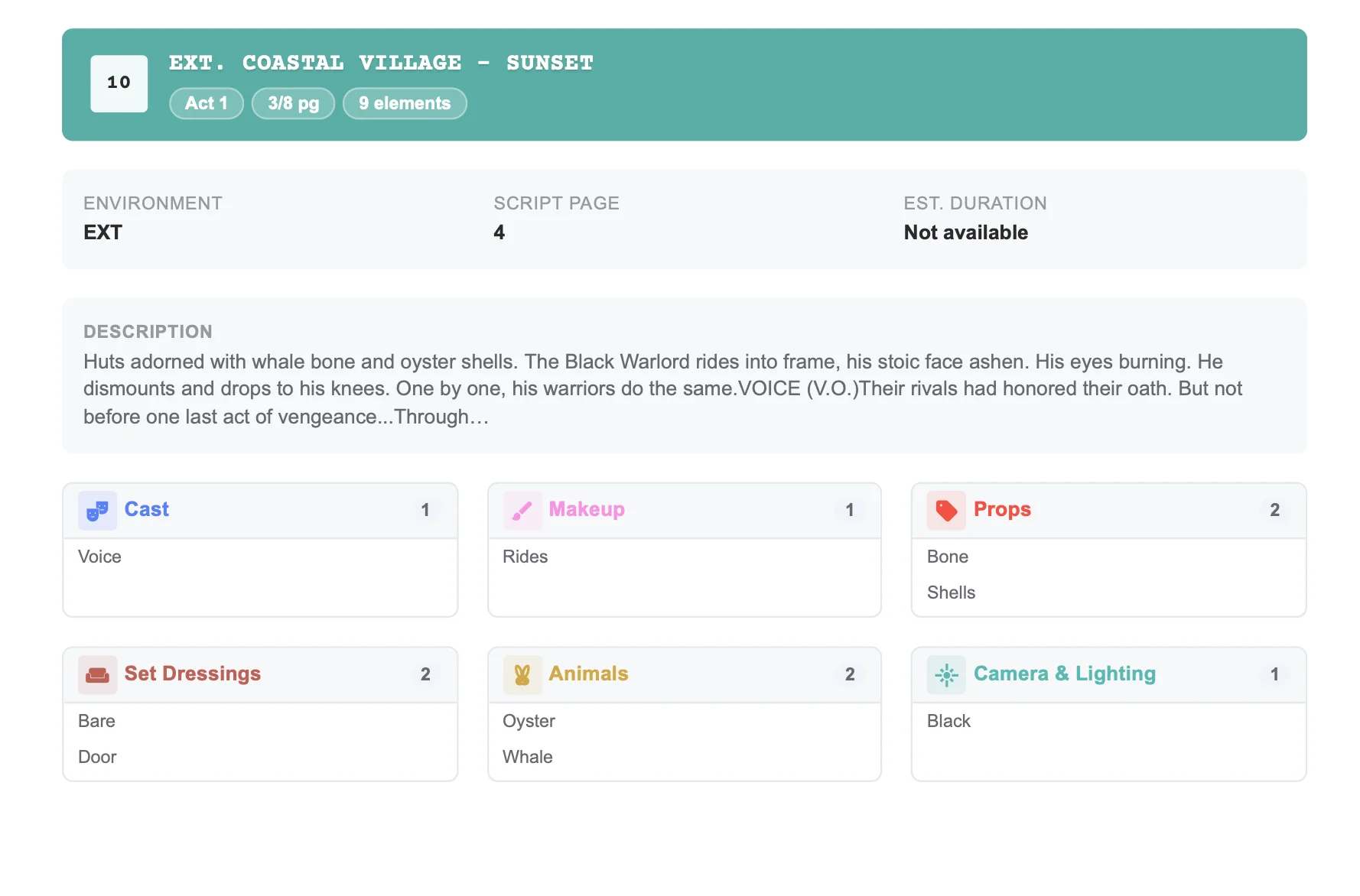
Look at what the remake tool does first: it lists characters, settings, props and shots. That is a script breakdown. AI or live action, every production needs it.
Consistency comes from tagged elements
A character library only works if every scene points to the same character, costume and location. Tagging elements per scene is what keeps an actor’s wardrobe from drifting between episodes.
Shot-level fixes need scene-level data
Regenerating one shot is cheap only if you know what belongs in it. A breakdown sheet tells you the props, extras and set dressing before you prompt or roll camera.
Episodic stories multiply the work
Across 100 episodes, small errors spread. Breaking down the script early catches continuity gaps that are expensive later. New to the process? Start with our beginner’s guide to script breakdowns and our look at AI in the filmmaking industry.
Prep your script before you prompt
Before feeding a script to any AI tool, lock scene headings, character names and key props. Consistent names make it far easier for software, and for your crew, to track who and what appears in each scene. A short element list per scene also becomes a ready-made prompt checklist.
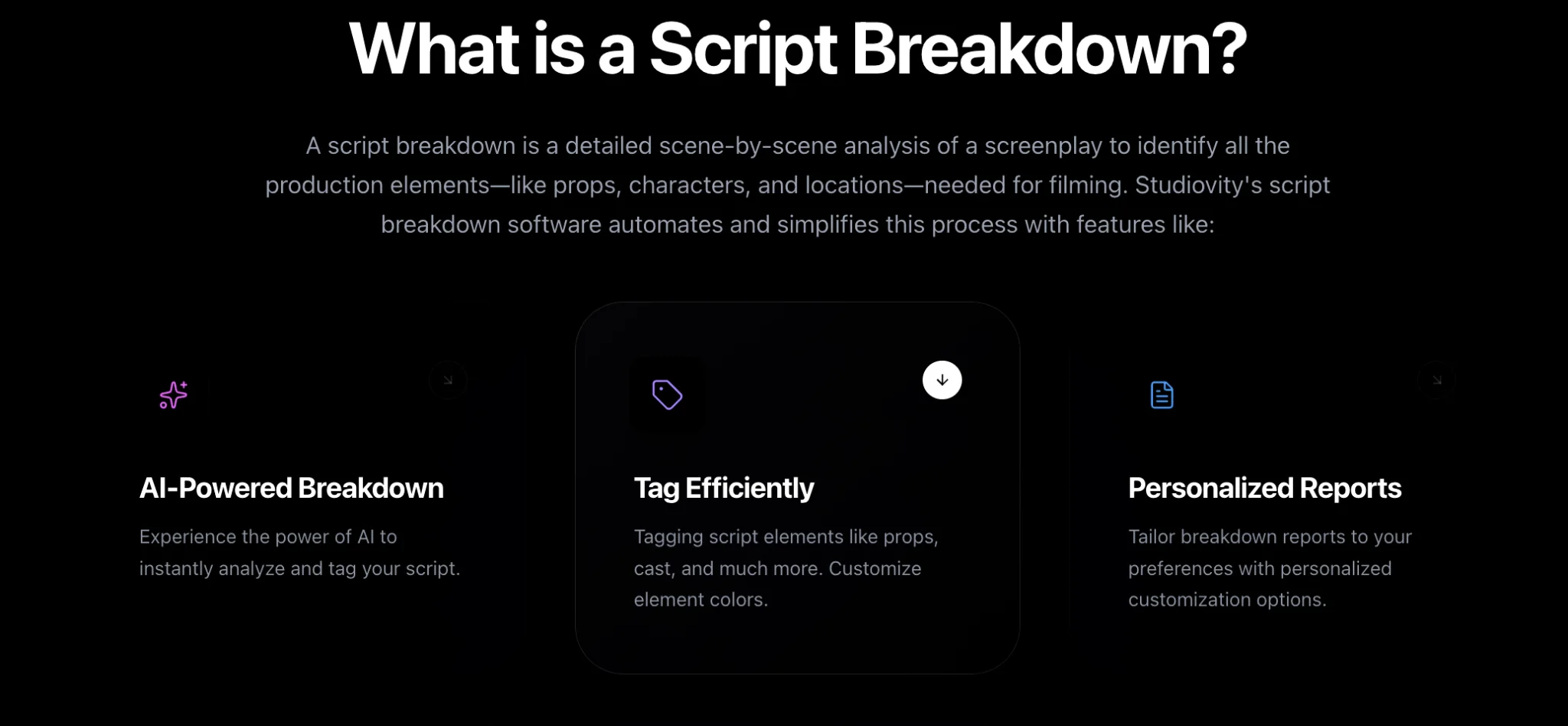
Studiovity’s AI script breakdown software tags cast, props, wardrobe and locations from your screenplay in minutes, and Studiovity carries that data into scheduling and call sheets.
Key Takeaways
- ByteDance’s Jimeng AI launched a short drama studio on October 26 (TokenPost, TechNode).
- DreamScript, Anycook and DreamShot cover scripts, images and storyboards.
- Its remake tool first identifies characters, settings, props and shots, which is a script breakdown.
- Clean, tagged breakdowns keep AI and live-action episodes consistent.
FAQ
What is ByteDance’s AI short drama studio?
It is a Jimeng AI service that combines scriptwriting, character and scene design, storyboarding, video production and post-production for short dramas.
What does DreamScript do?
DreamScript generates scripts and can turn a long novel into up to 100 episodes, while checking plot conflicts and character settings.
Do AI films still need a script breakdown?
Yes. Consistent characters, props and locations across shots depend on a clear list of elements for every scene.
Writing your next series, with AI or with a crew? Try Studiovity and break down your script before the first shot.