
The Wildwood box office debut is one of the most watched animation openings of the year. Laika’s sixth feature, a stop-motion fantasy directed by Travis Knight and released by Fathom Entertainment, made $4.2 million on Friday (including previews) and is pointing to an opening of about $11 million, according to Deadline’s weekend box office report. For filmmakers, the bigger story is how a film this slow to make got finished at all.
Wildwood Box Office: The Opening So Far
Deadline reports that Wildwood placed third on Friday at 2,942 theaters, behind Clayface and A24’s You Can See Everything. Audiences liked what they saw: the film earned an A CinemaScore, the same grade as Knight’s Kubo and the Two Strings and ahead of Laika’s 2019 Missing Link (B+).
- Friday: $4.2M including previews (Deadline).
- Projected 3-day opening: about $11M. Final figures arrive after the weekend.
- CinemaScore: A. Rotten Tomatoes critics score: 100% certified fresh (Deadline).
- For comparison, Kubo opened to $12.6M in 2016, and Missing Link opened to $5.9M in 2019.
Per Animation Magazine, the hand-crafted film cost $100 million and took about 16 years to reach the screen. The voice cast includes Carey Mulligan and Jacob Tremblay. The Los Angeles Times notes it is also Laika’s first PG-13 film and its first new release in seven years.
Why Stop-Motion Is a Scheduling Problem
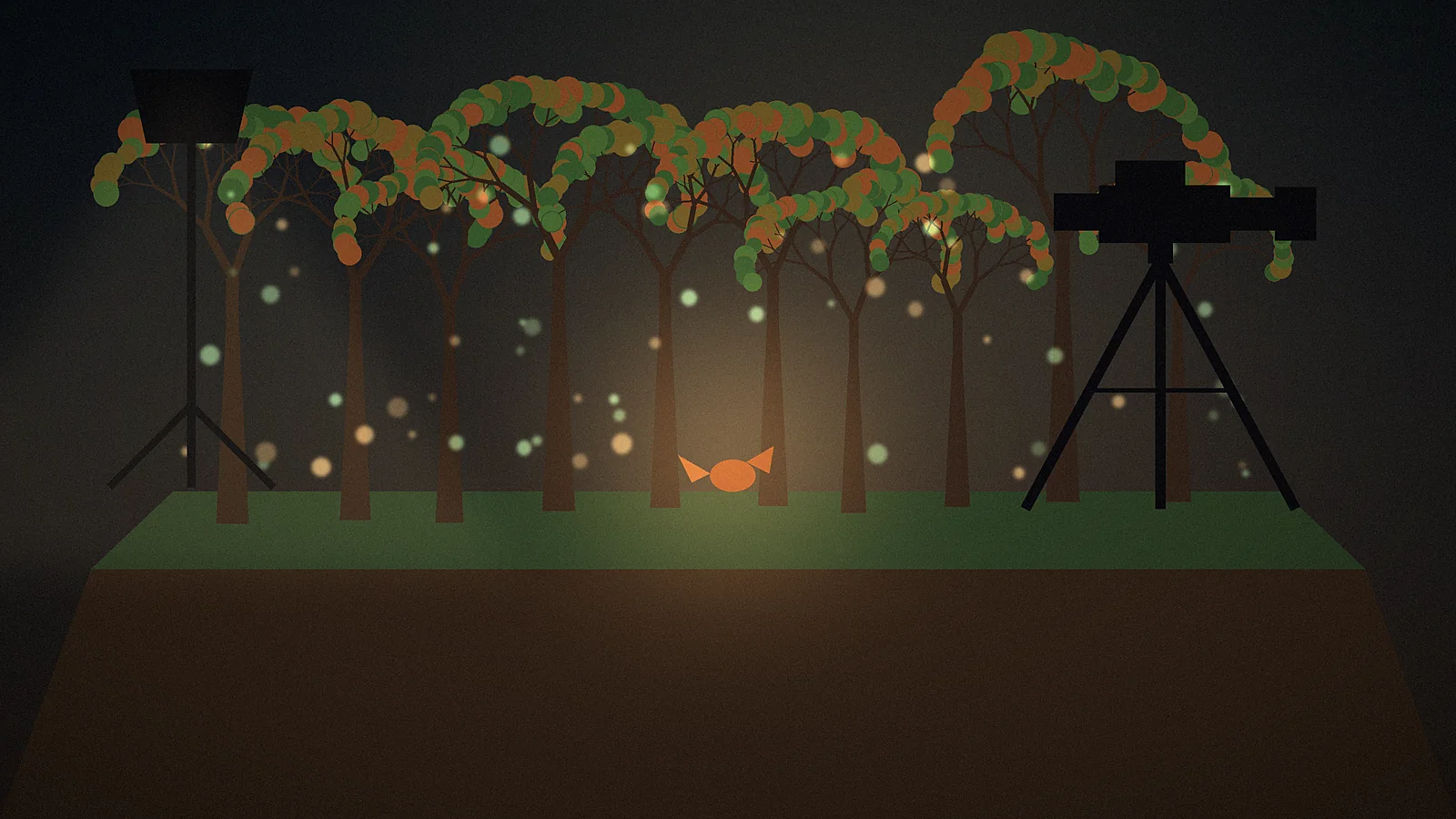
Stop-motion turns every production problem into a time problem. Puppets, sets and costumes are built by hand, and animators move each puppet a fraction at a time between exposures. A good week on one stage might produce only a few seconds of finished footage. At roughly two hours and ten minutes, Wildwood is reported to be the longest stop-motion feature ever made, which means many stages running in parallel for a very long time.
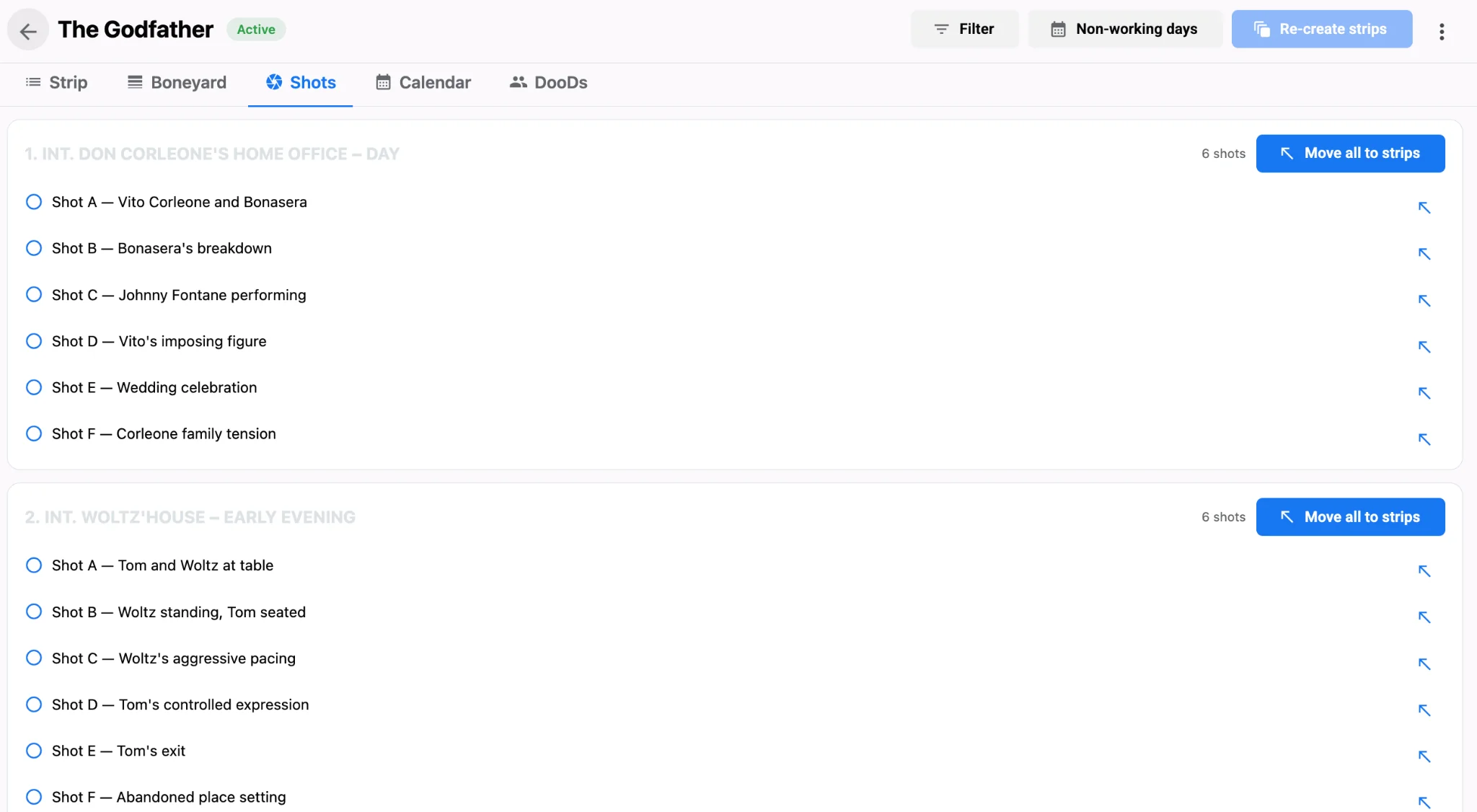
Live-action units face the same maths on a smaller scale. A missing prop, a set that isn’t dressed, or a lead who is double-booked costs hours, and those hours add up over a long shoot. If you are new to this, our guide on how to make a shooting schedule covers the basics, and our look at how Into the Spider-Verse changed animation shows how animation pipelines plan for style and scale.
Scheduling Lessons from a Frame-by-Frame Shoot
1. Plan by stage, not just by day
Laika-style productions run several units at once. In your schedule, give each unit, stage or location its own strips so you can see where work overlaps, and where it collides.
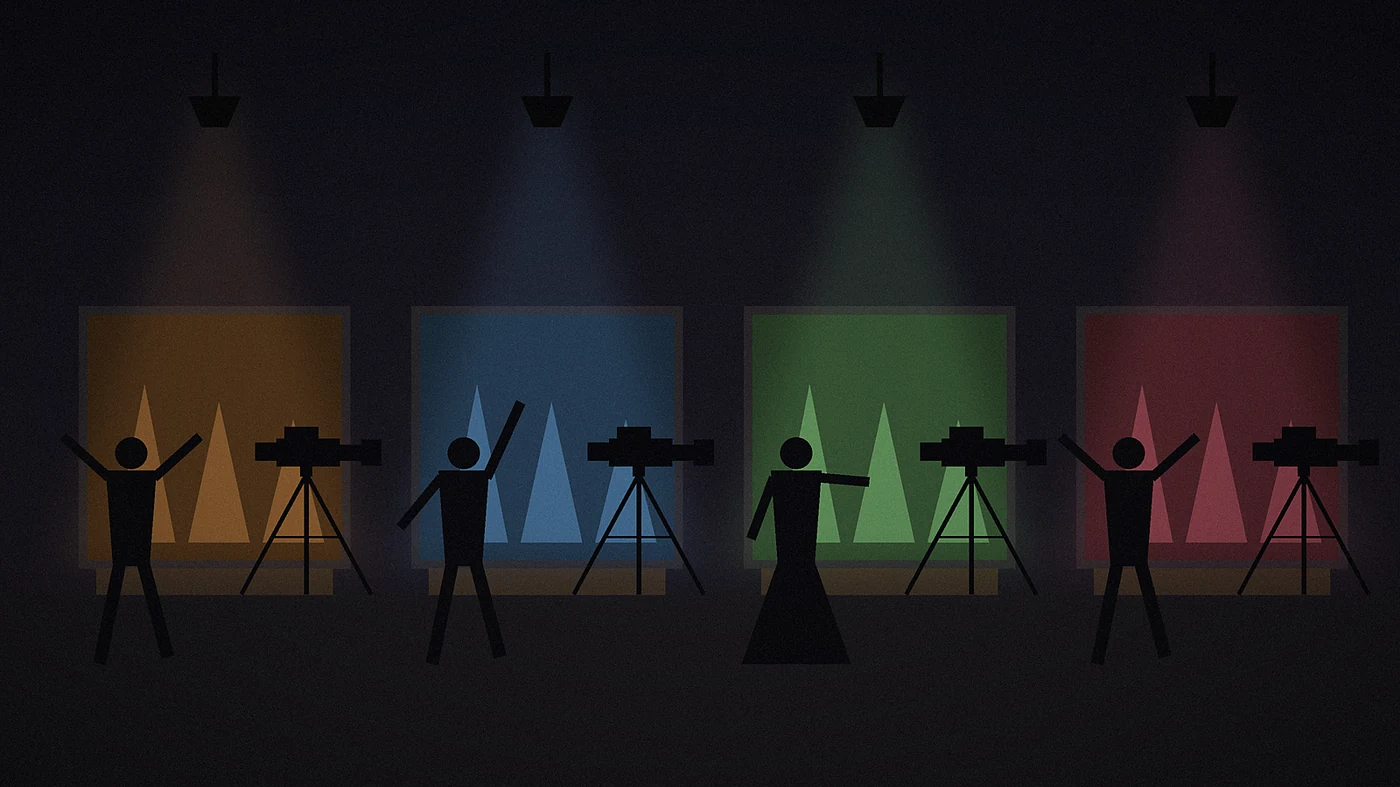
2. Break scenes into shots before you lock days
A scene that reads as one page can hide a dozen setups. Moving shots onto the stripboard shows the real workload of each day before you commit to a call time.
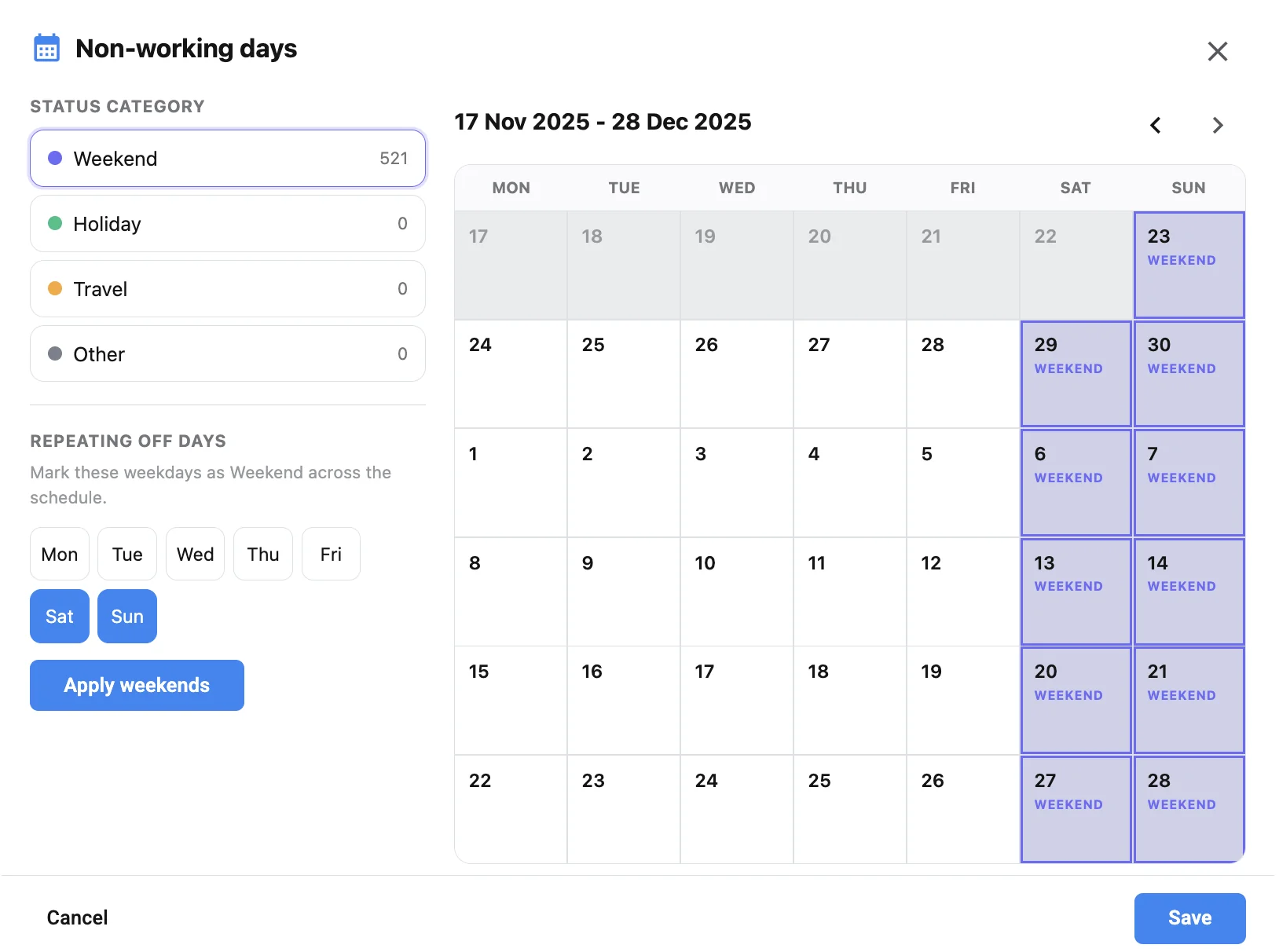
3. Build non-working days in from the start
Long schedules break when holidays, travel and rebuild days are added late. Mark them up front, and the end date you share with financiers will be realistic.
With Studiovity’s film scheduling software, you can build stripboards, add shots to strips and mark non-working days in one place. When the schedule moves, everything that depends on it moves with it.
Key Takeaways
- Wildwood made $4.2M on Friday and is tracking toward an opening of about $11M (Deadline).
- The film earned an A CinemaScore, cost a reported $100M and spent about 16 years in development (Animation Magazine).
- Stop-motion shows why time is the scarcest resource on any production.
- Scheduling by unit, by shot and with non-working days built in keeps long shoots honest.
FAQ
How much did Wildwood make on opening day?
Deadline reports $4.2 million on Friday, including previews, from 2,942 theaters. The film is pointing to an opening weekend of about $11 million.
Who directed Laika’s Wildwood?
Travis Knight, Laika’s CEO, who also directed Kubo and the Two Strings. The film is based on the novel by Colin Meloy and Carson Ellis.
Why does stop-motion take so long to make?
Every frame is created by physically moving puppets and props between exposures, so even a short scene can take a stage days or weeks to shoot.
Planning a long or complex shoot? Try Studiovity and build a schedule your whole crew can follow, from day one to wrap.