Have you ever settled into a plush seat and realized the aroma of buttered kernels feels essential? You aren’t alone. Why do we eat popcorn at the movies is a question that leads back to the Great Depression. This affordable luxury saved the theatrical industry from total collapse during that era. During the transition to “talkies,” the need for a seamless pre production software to manage rising costs became apparent. Yet, the humble popcorn kernel kept the doors open. Today, the relationship between a high-quality screenplay and the concessions stand is a symbiotic dance of art and commerce.

The Great Depression: How Popcorn Saved the Silver Screen
In the early days of cinema, theaters were opulent palaces designed to mimic traditional high-society theaters. Owners actually banned snacks because they didn’t want the “mess” of food ruining their expensive carpets. However, when the Great Depression hit, moviegoers could no longer afford high ticket prices, but they could afford a five-cent bag of popcorn.
The shift was seismic. Theater owners realized that while they had to share ticket revenue with studios, they kept 100% of the profits from popcorn. This revenue became the lifeblood of the industry. Just as a modern producer uses a script breakdown to identify every cost-saving opportunity, historical theater owners used popcorn to offset the losses of a struggling economy.
The Science of the Crunch: Why It Works for Film
Popcorn isn’t just profitable; it is functionally perfect for the environment. Unlike crackers or chips, popcorn is relatively quiet when chewed (if prepared correctly). Furthermore, the lack of a need for utensils means the audience never has to take their eyes off the screen.
For a director, the rhythm of the audience’s snacking often follows the shot list. During high-tension sequences, the crunching stops; during the falling action, the hands reach back into the bucket. This behavioral synchronization is a testament to how deeply embedded popcorn is in our psychological cinematic experience.
Concession Economics: The "Hidden" Production Cost
Many people complain about the “overpriced” nature of movie theater popcorn, but from a business perspective, it is a masterstroke. The markup on popcorn is often over 900%. This profit margin allows theaters to screen niche or artistic films that might not otherwise break even on ticket sales alone.
In the same way that film scheduling minimizes “dead time” on set to save money, the high price of popcorn maximizes “revenue per seat.” Without those buckets of corn, the ticket you bought for $15 would likely cost $40.
From Kitchen to Screen: Managing the Modern Workflow
Today, the film industry is more complex than ever. While we still eat popcorn for the same reasons our grandparents did, the way those films are made has evolved. A producer today doesn’t just worry about the concessions; they worry about the call sheet being distributed to hundreds of people instantly to ensure that not a single second—or dollar—is wasted.
Efficiency in the office leads to better experiences in the theater. When a production uses a centralized film production calendar to hit their release dates, it ensures the theater has a steady stream of “popcorn-worthy” blockbusters to keep the business thriving.
The Cultural Legacy of the Kernel
Popcorn has survived the rise of television, the invention of the VCR, and the explosion of streaming services. Why? Because it represents a “shared ritual.” Even when we watch movies at home, the act of popping corn signals to our brains that it is time to switch off the world and enter a story.
Consider the complexity of managing a large cast and crew on a modern set. The goal of all that logistical labor is to create a moment of pure, undistracted entertainment. Popcorn is the ultimate companion to that labor—it is a simple pleasure that enhances a complex art form.
The Future of Cinema: Smarter Productions, Better Snacks
Understanding why do we eat popcorn at the movies reminds us that the film industry is built on a foundation of both creativity and clever logistics. From the moment a writer types the first lines of a script to the moment the usher cleans up the last stray kernel, every step must be optimized.
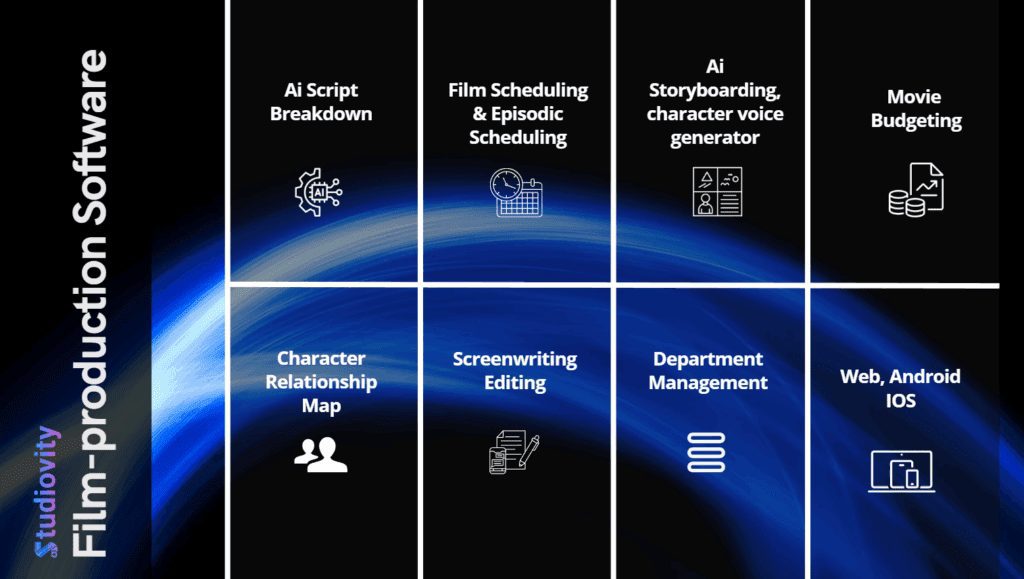
If you are a filmmaker, your focus should be on the screen, not on struggling with outdated spreadsheets. By using AI-powered tools to handle your scheduling and budgeting, you ensure that your project stays on track, allowing audiences to keep enjoying their favorite snacks in front of your work for decades to come.