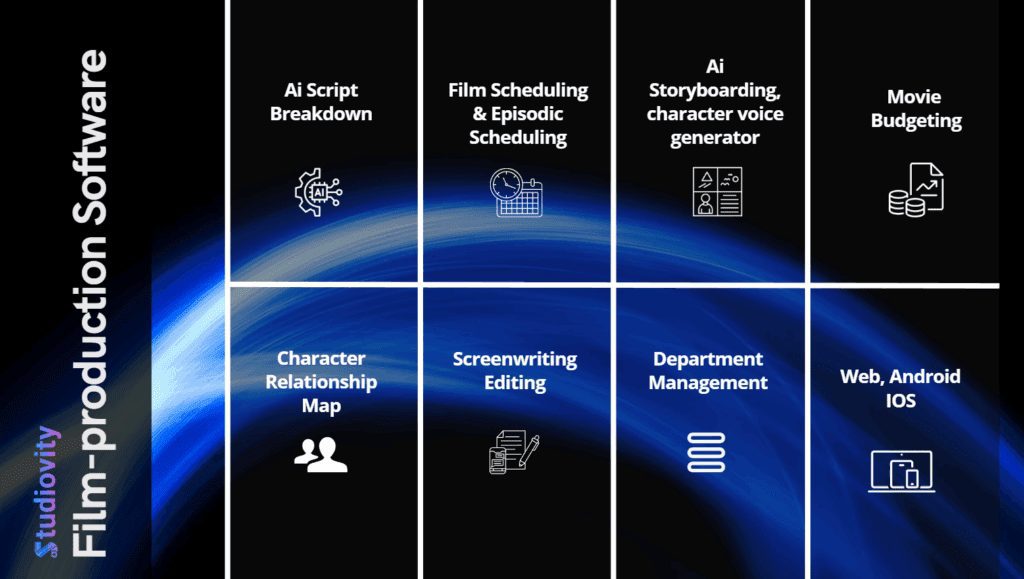
The temptation to buy the newest camera often overwhelms aspiring directors. You might believe that cinematic magic lives inside a lens or a sensor. However, Steven Spielberg filmmaking advice has consistently pointed in a different direction. The legendary director, responsible for Jaws, E.T., and Schindler’s List, argues that technology should never overshadow the narrative. He insists that a polished screenplay holds more value than 8K resolution. Furthermore, modern tools like script breakdown automation exist to serve the story, not to replace the human element of creativity.
The "Whisper" of an Idea
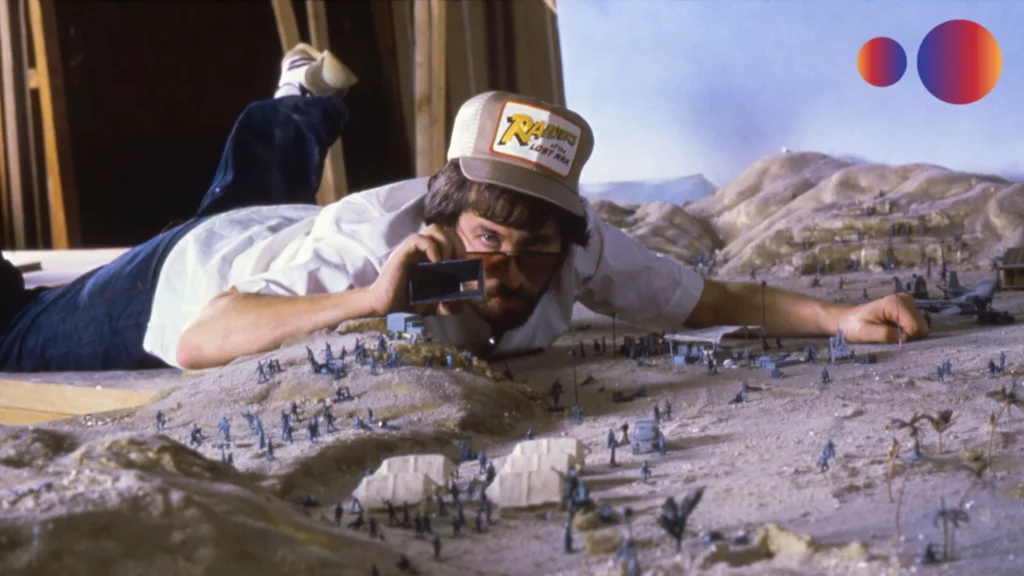
Spielberg famously described his creative process not as a loud explosion, but as a quiet whisper. He warns young creators that if they wait for a shouting epiphany, they might wait forever.
“When you have a dream, it doesn’t often come at you screaming in your face… Sometimes a dream almost whispers… You have to be ready to hear it every day of your life.” — Steven Spielberg
This concept is critical for your development. Consequently, you must train yourself to listen to your intuition before worrying about technical execution. Many new filmmakers obsess over technical specifications before they even know what their story is about. If you ignore the whisper because you are too busy researching camera stabilizers, you lose the soul of your project. Therefore, you should spend your early energy refining the core concept. Once that whisper becomes a roar in your mind, the physical production becomes a mere logistical step to capture it.
Technology: A Tool or a Trap?
We live in a golden age of accessible technology. You can shoot a 4K movie on a phone. However, Steven Spielberg filmmaking advice frequently warns against the seductive nature of these tools. He has stated, “Technology can be our best friend, and technology can also be the biggest party pooper of our lives.”
He means that relying too heavily on gear can interrupt the storytelling process. If you focus entirely on the “how,” you often forget the “why.” Audiences forgive grainy footage. They rarely forgive a boring story. For instance, The Blair Witch Project terrified millions with consumer-grade camcorders because the narrative was compelling. Conversely, many big-budget blockbusters fail because they prioritize visual effects over emotional truth.
As a modern filmmaker, you should use pre production software to organize your vision, not to complicate it. The goal of technology is to make the invisible visible, not to draw attention to itself. When the audience notices the camera work more than the actor’s tears, the director has failed.
The Script is Your Safety Net
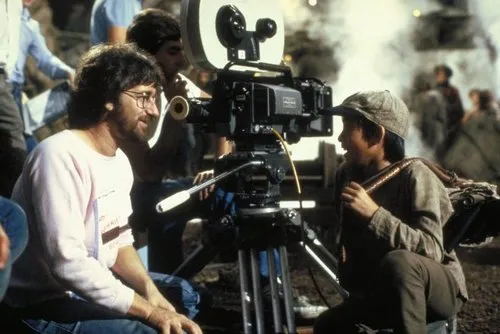
Spielberg is notoriously rigorous about his scripts. He won’t step onto a set unless the story is solid on the page. He understands that no amount of beautiful lighting can fix a broken scene. This is where many independent filmmakers stumble. They rush into production with a half-baked draft, hoping to “find it in the edit.”
This approach is dangerous and expensive. Instead, you must treat your script as the blueprint for the entire production. Professional tools like film scheduling rely entirely on the accuracy of your script. If the script is vague, your schedule will be chaotic.
Moreover, a tight script allows you to communicate your vision clearly to your department heads. When you hand over a precise shot list, your cinematographer knows exactly what emotional beat you need to hit. They don’t have to guess. This clarity saves time, saves money, and protects the emotional integrity of the story.
Collaboration Over Dictatorship
Early in his life, Spielberg admitted that he treated friends like props. He was the boss, and they were just there to move equipment. As he matured, his perspective shifted dramatically. He realized that filmmaking is the ultimate collaborative art form.
“Filmmaking is all about appreciating the talents of the people you surround yourself with.”
You cannot make a great film alone. You need a dedicated team who believes in your vision. Therefore, managing your cast and crew with respect and efficiency is a directing skill just as important as blocking a scene. When your team feels valued, they work harder. They offer creative solutions you might never have thought of.
Effective collaboration requires transparency. Sharing a digital call sheet ensures everyone knows where to be and what to do. It minimizes confusion. When the logistics are handled professionally, your actors feel safe. They can trust you. Consequently, they deliver vulnerable, powerful performances that elevate your film beyond what you could achieve on your own.
Plan Like a General, Dream Like a Child
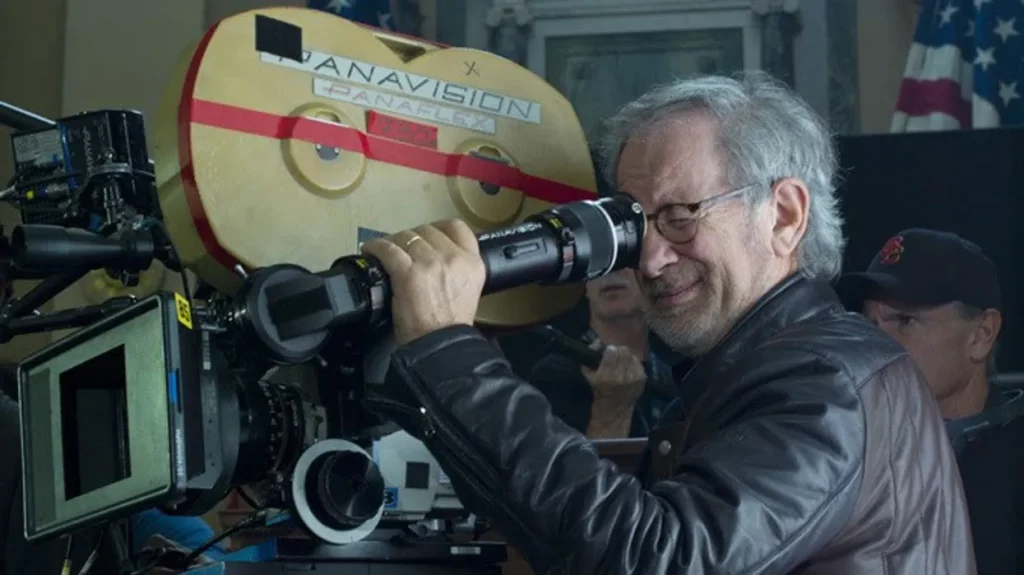
There is a duality in Spielberg’s method. On one hand, he retains a childlike wonder. On the other, he is a master of logistics. He knows that you cannot capture magic if you are running out of time and money. This is why Steven Spielberg filmmaking advice often touches on the discipline of preparation.
You must respect the craft enough to plan every detail. A robust film production calendar is not just administrative paperwork; it is a creative shield. It protects your shooting hours. If you know exactly how much time you have for a complex sequence, you can direct with confidence. You won’t be checking your watch in a panic. You will be watching the monitor, looking for that moment of truth.
Balancing these two sides—the dreamer and the planner—is the secret sauce of his career. You should strive for the same balance. Dream wild ideas, but build a concrete plan to execute them.
Learning from the Masters
Finally, Spielberg encourages filmmakers to watch old movies. He advises looking back at the classics, not just contemporary hits. The masters of black and white cinema solved storytelling problems without CGI. They relied on composition, shadow, and acting.
By studying their work, you learn the grammar of cinema. You learn how to move a camera to create tension without saying a word. You learn how to use a shot list to build a sequence that manipulates the audience’s heartbeat.
In conclusion, gear is temporary. Cameras become obsolete every year. A good story, however, lasts forever. If you want to follow in the footsteps of a legend, put down the equipment catalog. Pick up a pen. Listen to the whisper. And when you are ready to turn that whisper into reality, make sure your production is as organized as your imagination is wild.