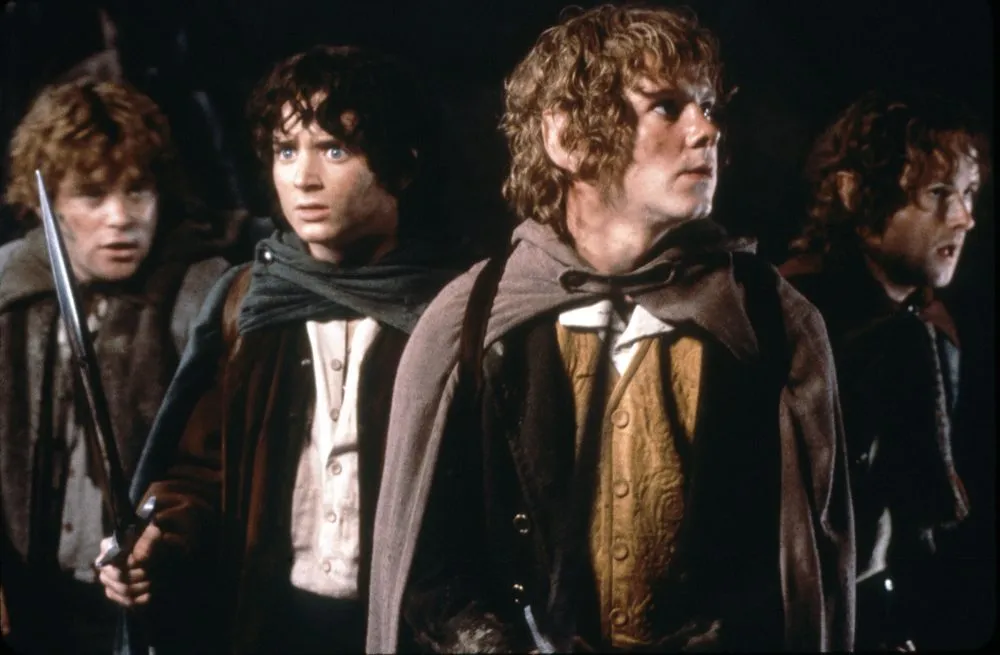
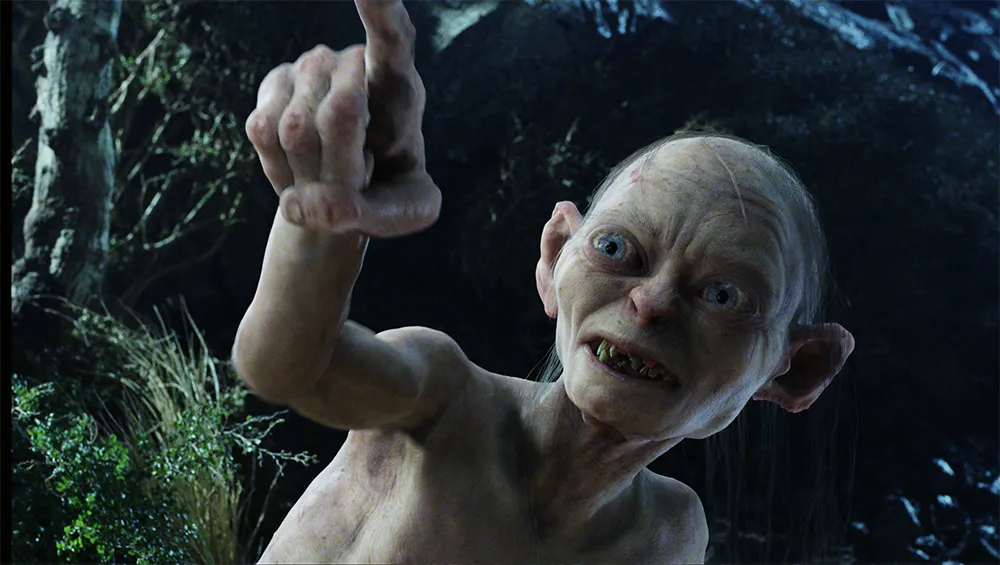
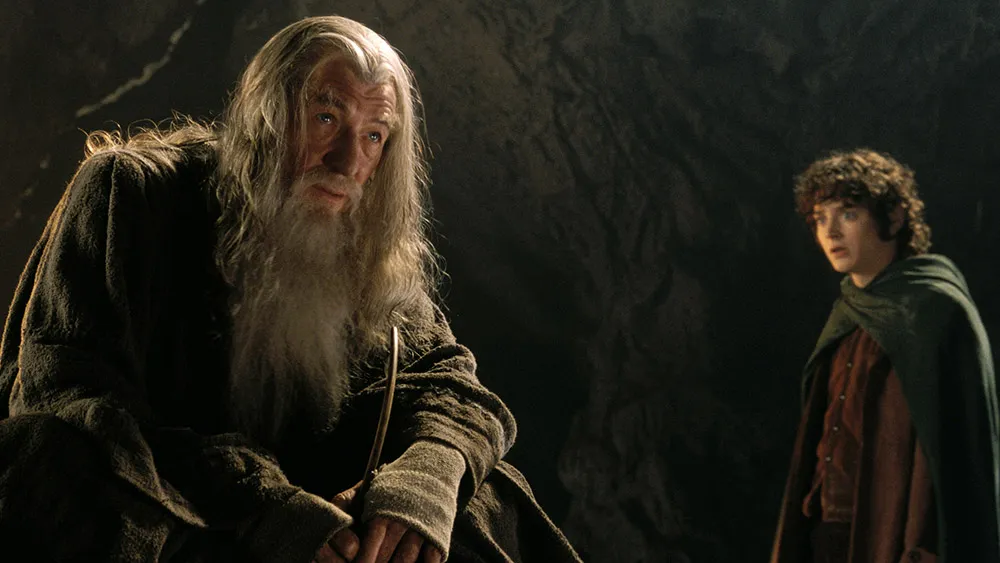
The return to Middle-earth has proven to be a financial titan, as the Lord of the Rings trilogy earns $5 million in box office presales for its theatrical re-release. This staggering figure, driven by Fathom Events’ 25th-anniversary celebration, signals a 65% increase over previous re-releases. Consequently, industry experts are analyzing this phenomenon not just as nostalgia, but as a testament to enduring production quality. For filmmakers, this success underscores the vital importance of a solid foundation, starting with a professional screenplay that can stand the test of time.
The Power of the Lord of the Rings Theatrical Return
The Lord of the Rings franchise remains a masterclass in high-stakes filmmaking. Currently, the pre-sales have surpassed 407,000 tickets domestically. This surge beats major contemporary releases, proving that audiences still crave the cinematic scale Peter Jackson delivered two decades ago. Moreover, the extended editions—clocking in at over 11 hours—demand a level of audience commitment that modern blockbusters rarely command.
Therefore, the financial success here is not accidental. It is the result of meticulous planning and execution. In the modern era, achieving this level of cohesion requires robust pre production software. Without centralized tools, managing the thousands of moving parts required for an epic of this magnitude becomes impossible.
Nostalgia Meets Strategy: Why the Re-Release Works
Fathom Events utilized a smart strategy by staggering the releases: The Fellowship of the Ring on January 16, The Two Towers on January 17, and The Return of the King on January 18. This event-style scheduling creates urgency. Furthermore, exclusive introductions by Peter Jackson added value, turning a standard screening into a “must-see” event.
For independent producers and studios, the lesson is clear: content longevity relies on asset management.You must organize your intellectual property efficiently. When you utilize advanced film scheduling tools during the initial shoot, you ensure that you capture every necessary asset. Consequently, you build a library of content that can be repackaged and monetized for decades.
Analyzing the Production Value Behind the Billions
Why does Lord of the Rings hold up? The answer lies in the details. The production team famously juggled massive logistical challenges across New Zealand. Every prop, costume, and location was tracked with obsessive detail. Today, AI-driven script breakdown features can automate this complex process.
Imagine the efficiency Jackson’s team could have achieved with modern AI. Instantly tagging thousands of props and costumes from the script saves hundreds of manual hours. Thus, technology now allows smaller teams to approach “epic” scales without the Hollywood-sized overhead.
From Script to Screen: The Blueprint of an Epic
The visual language of Middle-earth is distinct and consistent. This consistency stems from a rigorous shot list and storyboarding phase. Visualizing complex sequences like the Battle of Helm’s Deep required precision. If the blueprint is weak, the building collapses.
Modern filmmakers use digital tools to bridge the gap between the writer’s vision and the director’s lens. By integrating your shot list directly with your schedule, you ensure that no critical coverage is missed during the chaos of principal photography. This level of preparation is what separates a flash-in-the-pan movie from a cinematic legacy.
What Modern Filmmakers Can Learn From Middle-earth
The Lord of the Rings trilogy earns $5 million in presales because it respects the audience’s intelligence and time. It delivers value. High-value production starts with respect for the process. From the first draft to the final call sheet, every step matters.
To replicate this success, you must adopt a mindset of efficiency and excellence. Wasteful productions rarely become classics. Instead, they run over budget and compromise on creativity. By utilizing a centralized film production calendar, you keep your team aligned. Everyone knows the goal, the timeline, and the stakes.
Outcome: Building Your Own Legacy
Ultimately, the box office numbers for Lord of the Rings prove that quality is the best business strategy. You cannot build a legacy on shaky ground. You need the right tools to execute your vision without compromise.
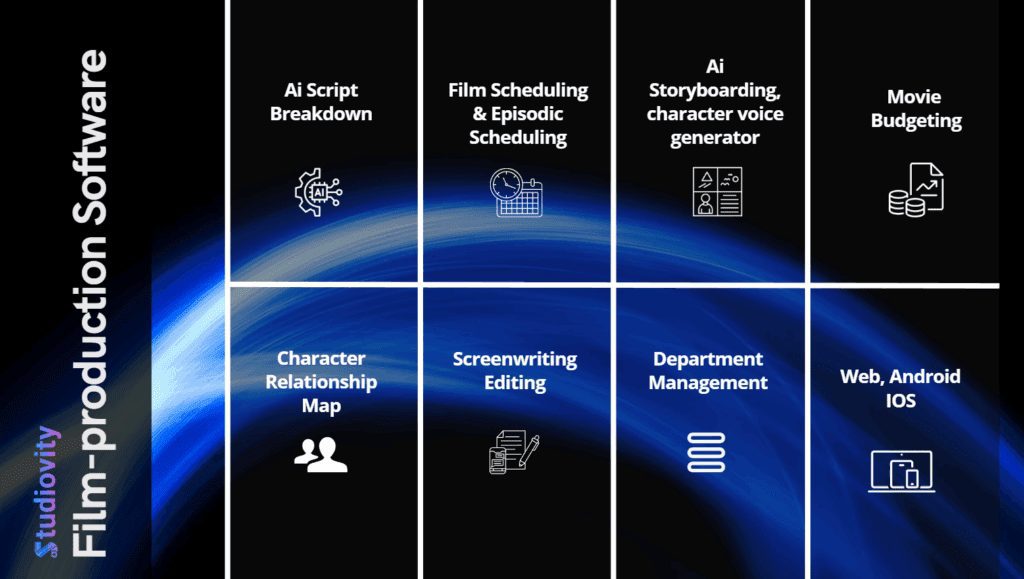
Whether you are shooting an indie feature or a studio epic, Studiovity AI provides the high-performance engine you need. Automate the tedious tasks.Focus on the storytelling. Build something that audiences will want to watch 25 years from now.
Script breakdown elements are the production requirements hidden inside every scene: the characters, background actors, props, set dressing, wardrobe, makeup, locations, vehicles, animals, stunts, effects