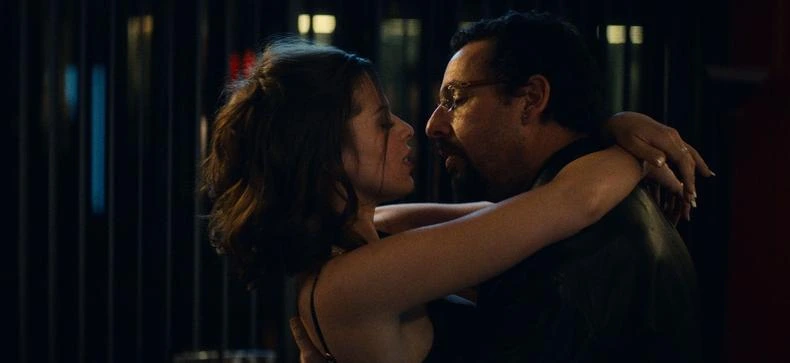
Cinema is the art of illusion, and nowhere is this more prevalent—or more technically demanding—than in the depiction of intimacy. For audiences, the chemistry feels spontaneous and raw. However, for industry professionals, how sex scenes are filmed is a matter of rigorous choreography, legal safety, and precise technical execution. It is not about “letting the camera roll” and hoping for sparks; it is about creating a safe container where actors can perform without fear.
The process begins long before the camera starts recording. In the modern film industry, the screenplay serves as the blueprint, but the execution requires a specialized layer of production management. Directors and producers must prioritize the safetyof their cast and crew while ensuring the artistic vision remains intact. Whether you are an indie filmmaker or a studio executive, understanding how sex scenes are filmed is now a critical skill set that blends creative direction with strict operational protocols.
Gone are the days of improvisation. The single biggest shift in how sex scenes are filmed over the last decade is the introduction of the Intimacy Coordinator (IC). Much like a Stunt Coordinator ensures safety during a fight sequence, an IC choreographs physical contact to ensure consent and safety.
When a scene involving nudity or simulated sex is flagged, the IC acts as a liaison between the director and the actors. They translate the director’s vision into specific, technical movements—separating the character’s emotions from the actor’s personal boundaries. This ensures that every touch, kiss, or movement is agreed upon in advance. Consequently, the actors can focus entirely on their performance, knowing they are protected by a professional advocate.
Pre-Production: Where Safety Meets Strategy
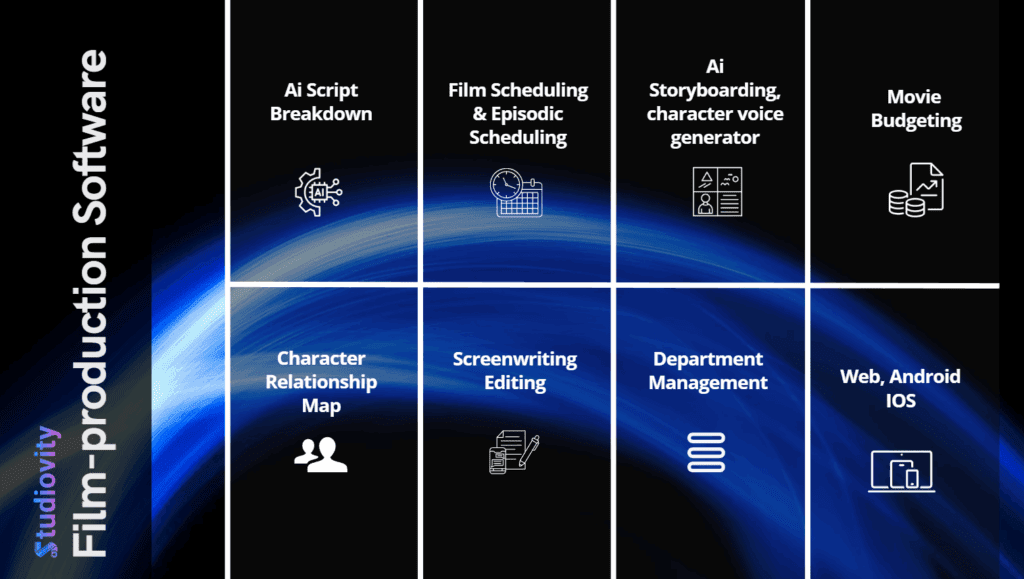
Successful intimate scenes are made in pre-production. Using advanced pre production software, producers can tag specific scenes that require special attention. This is not just about logistics; it is about risk management.
By performing a detailed script breakdown, the First AD and Line Producer can identify every prop, costume requirement (such as modesty garments), and personnel need for these specific days. If the script calls for “intense intimacy,” the breakdown allows the production team to budget for an Intimacy Coordinator and allocate extra time for rehearsals. Ignoring this step often leads to on-set confusion, which is the enemy of a safe environment.
Scheduling for Comfort and Efficiency
Time is the most valuable currency on a film set, but rushing an intimate scene is a recipe for disaster. Effective film scheduling requires a nuanced approach when nudity or sex is involved. Experts recommend scheduling these scenes for the middle of the shoot, rather than the very first day or the very last.
Scheduling them too early forces actors to be vulnerable before they have built a rapport. Conversely, scheduling them too late can add unnecessary pressure. Furthermore, these scenes often require a “closed set,” which takes time to secure. Therefore, the schedule must reflect realistic setup times, allowing for the clearing of non-essential crew and the setup of privacy barriers.
Choreography and the Shot List
When discussing how sex scenes are filmed, one must understand that they are technical exercises. The director and cinematographer must collaborate closely to create a precise shot list. This document dictates exactly what will be seen and, more importantly, what will be hidden.
Blocking: Every movement is blocked out. “Hand on shoulder on count one, kiss on count two.”
Modesty Garments: The shot list determines the type of modesty garments needed—patches, barriers, or “cock socks”—to prevent skin-to-skin contact while remaining invisible to the camera lens.
Camera Angles: Long lenses are often used to physically distance the camera operator from the actors, providing an illusion of intimacy while maintaining personal space.
By adhering to a strict shot list, the crew knows exactly where to position lights and booms, minimizing the need for adjustments once the actors are vulnerable.
The Closed Set Protocol
The “Closed Set” is a non-negotiable standard in professional filmmaking. This means that only the absolute essential personnel are allowed on the stage during the take. The call sheet becomes a vital tool for enforcing this.
On the day of the shoot, the call sheet should clearly mark the set as “CLOSED” for specific hours. It should list exactly who is permitted: usually the Director, DOP, Focus Puller, Boom Operator, and Intimacy Coordinator. All other crew members—from catering to makeup assistants—must wait outside. Monitors in the video village are often turned off or turned away to prevent unauthorized viewing. This protocol builds trust and allows actors to perform without the feeling of being watched by a crowd.
Managing the Production Timeline
Fatigue is a safety risk. Filming physical intimacy is emotionally and physically draining for performers. Therefore, the film production calendar should be managed to avoid “burnout” weeks.
If a production requires multiple days of intimate scenes, it is wise to space them out or ensure short days. Overworking actors in these scenarios can lead to lapses in judgment or accidental boundary crossings. A well-managed calendar ensures that everyone arrives on set rested, alert, and capable of maintaining the high level of professionalism required.
Conclusion: Professional Tools for Professional Results
Understanding how sex scenes are filmed reveals a process defined by respect, planning, and technical precision. It is not about restriction; it is about liberation. When actors feel safe, they take risks. When the crew is informed, they work efficiently.
By leveraging modern tools for breakdown, scheduling, and communication, filmmakers can navigate these complex scenes with confidence. The result is a production that looks dangerous on screen but is safe, controlled, and professional behind the scenes.
Traditional motion capture asks for three things most creators don’t have: a suit covered in reflective markers, a calibrated multi-camera volume, and a technician to