Showrunners face a volatile relationship with their audience. It is also a creative one. Tell Me Lies exploded onto screens.Viewers loved the toxic chemistry between Lucy and Stephen. They also loved the unraveling of their social circles. EP Meaghan Oppenheimer recently admitted something surprising. Fan theories directly changed the creative direction of Season 3. Fans obsessed over the catastrophic 2015 wedding timeline. This intense reaction forced a pivot. The writers did not just dip a toe into the future. The team restructured the entire narrative. Now, Tell Me Lies prioritizes this fan-favorite era.
Film professionals see this as a masterclass in agility. Modern storytelling is a dialogue. You must adapt a screenplay quickly based on real-time audience data. This requires more than creative intuition. It demands a fast production infrastructure.
Do you need to streamline your own production workflow?
The Season 2 finale shocked viewers. Stephen got engaged to Lydia. Bree’s wedding faced impending doom. Social media platforms like TikTok lit up. The writers noticed the noise. They realized the 2008 timeline was not enough. It could no longer be the sole anchor. The team expanded the 2015 timeline in Tell Me Lies Season 3. This was not the original plan. The sheer volume of speculation drove the change. Oppenheimer committed to this time jump as a primary engine.
This shift presents a logistical challenge. Expanding a secondary timeline hits your pre production software workflow. Scouts must find new locations to reflect the era. The costume department needs more inventory. The continuity team must track character aging accurately.
Managing Dual Timelines via Script Breakdown
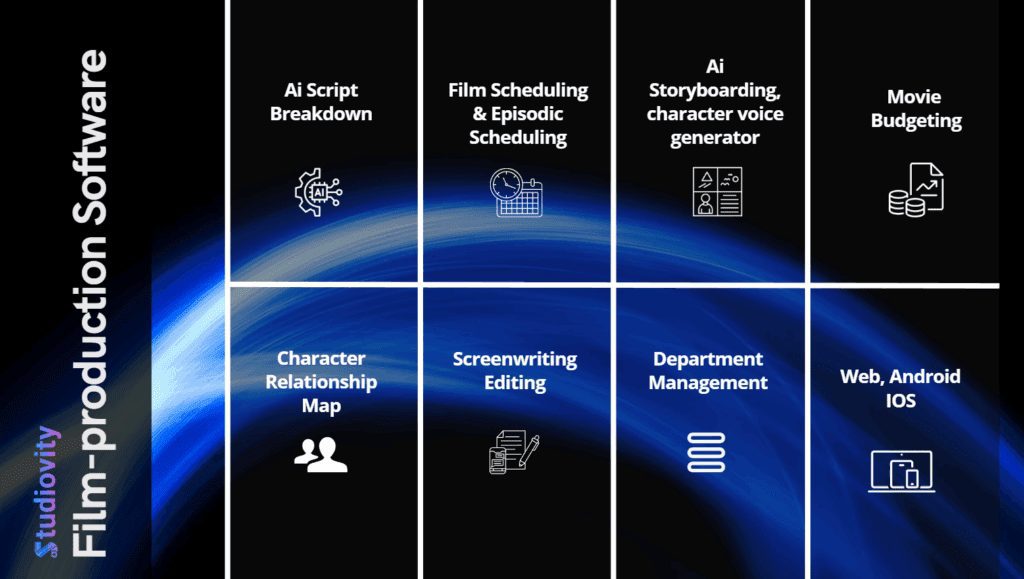
The production team executed this shift effectively. They likely used a rigorous script breakdown process. Tell Me Lies hides clues in dialogue. Tagging elements correctly is non-negotiable.
Era-Specific Props: 2008 requires BlackBerrys. 2015 demands modern tech.
Character Aging: Hair teams need distinct lists for “College Lucy” versus “Professional Lucy.”
Location Continuity: Baird College must look consistent. The 2015 wedding venue must feel distinct.
Intelligent tools manage this level of detail. Without them, the production office drowns. You can filter reports by “Script Day.” This allows complex narratives to move to the screen. It prevents continuity errors.
The Scheduling Nightmare of Fan Service
Fans want specific content. This creates headaches for the 1st AD. More 2015 screen time makes film scheduling a game of chess. Actors like Tom Ellis had to return. Fans requested him. The team slotted him back into the board.
You must balance a high-profile cast and crew. The stripboard must remain flexible. Crews rarely shoot chronologically. They might shoot a 2008 breakup in the morning. A 2015 reunion follows in the afternoon. The schedule must account for reset time. Hair and makeup need this time for changes.
Visualizing the Tension: The Shot List
Fans of Tell Me Lies love the unspoken tension. They love the lingering glances. The director defines this visual language early. They do this during the shot list creation.
Season 3 required a sharp distinction between eras.
2008: These shots look chaotic and hand-held. They reflect the heat of youth.
2015: These shots look static and cold. They reflect calculated adult lives.
A director cannot wing this. They visualize transitions side-by-side during prep. This ensures the fan-favorite transitions land with impact.
Coordinating the Chaos
Success rests on communication. Every daily call sheet must provide absolute clarity. Shooting out of sequence carries risk. A “company move” might go wrong. Actors might arrive in the wrong look.
The production office acts as the brain. The film production calendar is the heartbeat. It synchronizes unit moves. It tracks cast availability. This protects the budget. Oppenheimer listened to fans. The crew executed the pivot. This is a victory for organized production management.
Conclusion
Season 3 proves a point. The audience participates in the writers’ room. You must acknowledge fan desires. However, you also need operational tools. These tools dismantle scripts. They reorganize schedules. They help you execute complex shoots without missing a beat.
Are you ready to bring professional precision to your project?