Every iconic story relies on a powerful opposing force. While many writers focus heavily on the hero, the quality of the antagonist often determines the film’s success. However, there is a distinct difference between a generic bad guy and a true nemesis. What is a nemesis in storytelling?It is not simply an enemy who punches the hero. Rather, a nemesis acts as the protagonist’s shadow, a mirror image that challenges their very existence.
To craft a compelling narrative, you must understand this dynamic deeply. Consequently, your screenplay will resonate more with audiences. Before you even open your pre production software to plan the shoot, you must solidify this character relationship. If the emotional stakes are weak, no amount of visual spectacle can save the film.
A common mistake involves confusing a villain with a nemesis. A villain opposes the hero’s goals. In contrast, a nemesis opposes the hero’s worldview. The word “nemesis” originates from the Greek goddess of retribution. Therefore, this character represents an inescapable agent of downfall. They exist to punish the hero for their specific character flaws (hubris).
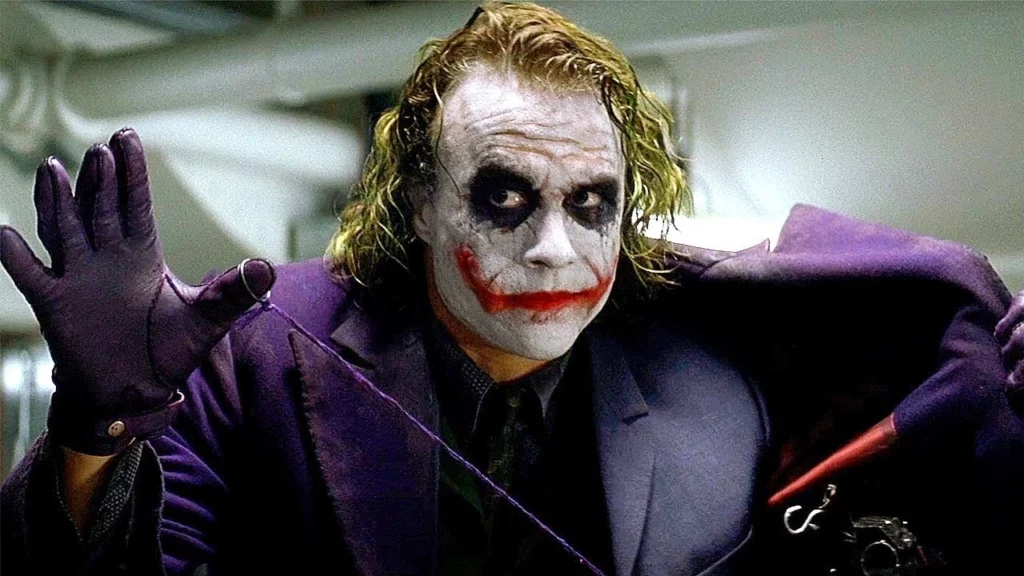
When you perform your script breakdown, you should identify the nemesis not just as a cast member, but as a structural necessity. They force the protagonist to grow or die. For example, in The Dark Knight, the Joker is not just a criminal; he is the chaos to Batman’s order. He challenges Batman’s moral code constantly. Thus, the conflict is philosophical, not just physical.
Furthermore, a true nemesis often possesses the same skills as the hero but utilizes them for darker purposes. This creates a “shadow self” dynamic. When you organize your cast and crew, the actor playing the nemesis must be equal in stature to the lead. If the audience does not fear the nemesis, they will not fear for the hero.
The Psychology of the Shadow Archetype
Psychologically, the nemesis functions as the Jungian “Shadow.” This concept suggests that the antagonist embodies everything the hero denies about themselves. Consequently, the battle is internal as well as external. The hero hates the nemesis because they recognize a twisted version of themselves within the enemy.
Consider the logistics of filming these high-stakes confrontations. Intense psychological scenes require precise planning. Therefore, careful film scheduling is essential to give actors time to explore these depths. You cannot rush the climax of a nemesis arc. Additionally, your shot list should visually reflect this mirror dynamic. Use Dutch angles, reflections, or split diopters to visually suggest that the hero and nemesis are two sides of the same coin.
Types of Nemeses in Cinema
Understanding what is a nemesis in storytelling requires recognizing the different forms they take. A nemesis is not always a cackling man in a cape.
1. The Fallen Hero
This character started with noble intentions but lost their way. They represent what the hero could become if they compromise their morals. Two-Face in Batman serves as a prime example.
2. The Intellectual Equal
Sherlock Holmes has Moriarty. This nemesis matches the hero’s intellect step for step. They are dangerous because they cannot be outsmarted easily.
3. The Institutional Nemesis
Sometimes, the nemesis is a system or a bureaucrat representing a system. Nurse Ratched in One Flew Over the Cuckoo’s Nest represents the crushing weight of conformity.
When planning these characters, communication is key. Your call sheet should reflect the specific requirements for these days, especially if complex makeup or prosthetics are required to visualize the character’s nature.
The Function of the Nemesis in the Narrative Arc
The primary function of the nemesis is to attack the hero’s greatest weakness. If the hero is arrogant, the nemesis humiliates them. If the hero is strong, the nemesis is faster. This pressure cooker environment forces character development.
Without a nemesis, the hero remains stagnant. Luke Skywalker would be a farm boy without Vader. Neo would be a hacker without Agent Smith. The nemesis provides the resistance necessary for the hero to ascend.
Moreover, the presence of a nemesis dictates the pacing of the production. High-conflict scenes often anchor the schedule. Therefore, utilizing a robust film production calendar allows the production team to build the shooting schedule around these pivotal moments. You want your team fresh and focused when shooting the final confrontation.
How to Write a Memorable Nemesis
To write a nemesis that stands the test of time, follow these core principles:
Give Them a Point: The best nemeses believe they are the heroes of their own stories. Thanos believed he was saving the universe. This conviction makes them terrifying.
Make Them Powerful: A nemesis must be stronger than the hero at the beginning of the story. The hero must “level up” to defeat them.
Create a Personal Connection: The conflict should feel personal. Whether they are family (Star Wars) or former friends (GoldenEye), the emotional link raises the stakes.
Avoid Clichés: Do not make them evil just for the sake of being evil. Give them a backstory, a trauma, or a philosophy.
Conclusion: Mastering the Conflict
Ultimately, what is a nemesis in storytelling? It is the narrative engine that drives your story forward. By crafting a nemesis that acts as a true shadow to your protagonist, you elevate your script from good to unforgettable. Whether you are writing an indie drama or a blockbuster, the strength of your antagonist defines the glory of your hero.
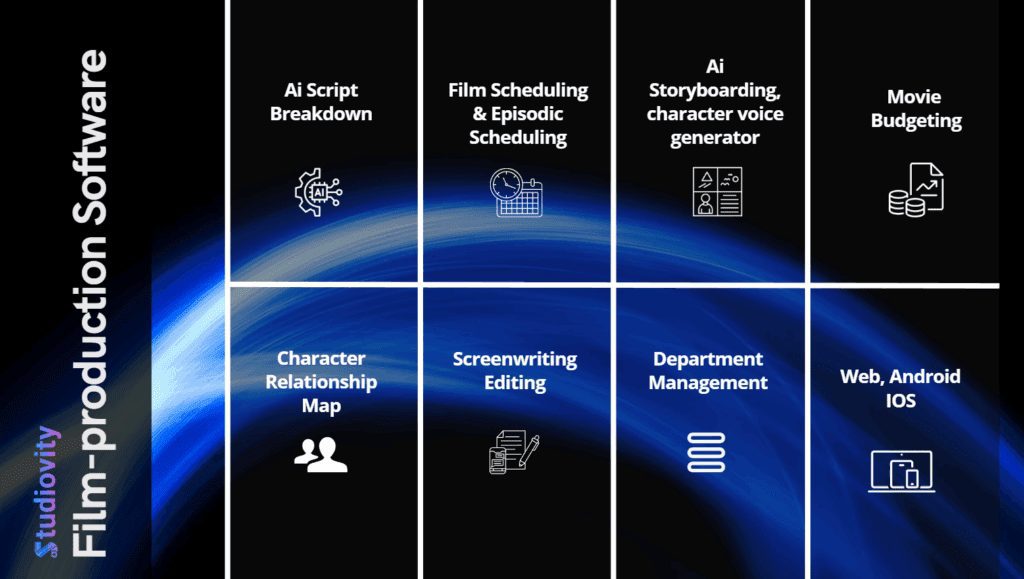
Once you understand what is nemesis in storytelling and your script is locked and your nemesis is defined, the real work begins. Moving from the page to the screen requires professional tools to manage the chaos of production.
Script breakdown elements are the production requirements hidden inside every scene: the characters, background actors, props, set dressing, wardrobe, makeup, locations, vehicles, animals, stunts, effects