The wait is finally over for cinephiles and industry professionals alike. Today, Universal Pictures officially dropped the first footage of Christopher Nolan’s highly anticipated epic, The Odyssey. After months of speculation, leaked set photos, and AI-generated fakes confusing the internet, the real trailer has arrived, and it is nothing short of breathtaking. For filmmakers, this release represents more than just a movie; it is a masterclass in scale, texture, and the translation of a complex screenplay into visual reality. Every frame suggests a production of immense logistical complexity, one that likely required a meticulous script breakdown to manage the thousands of moving parts visible on screen.
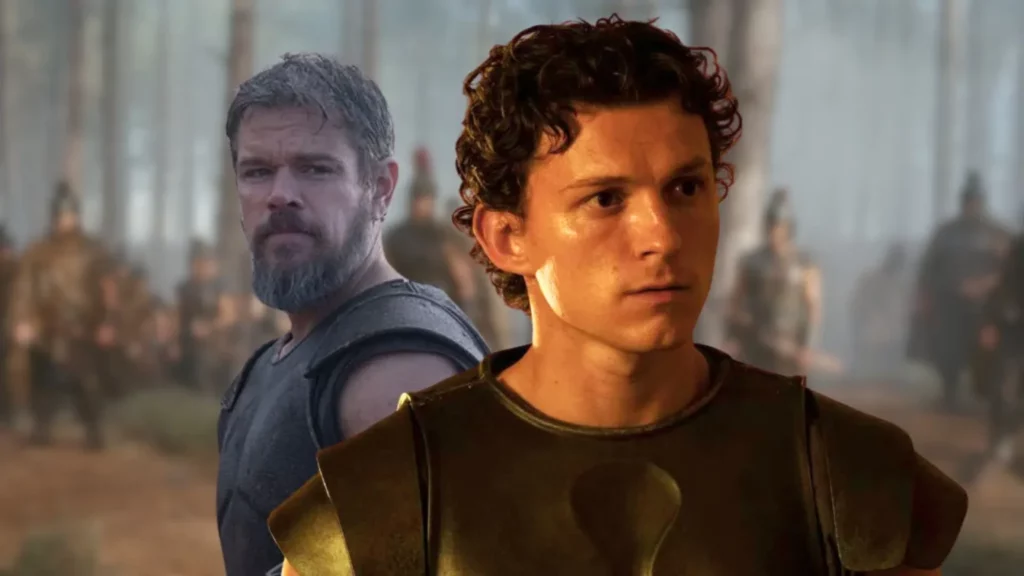
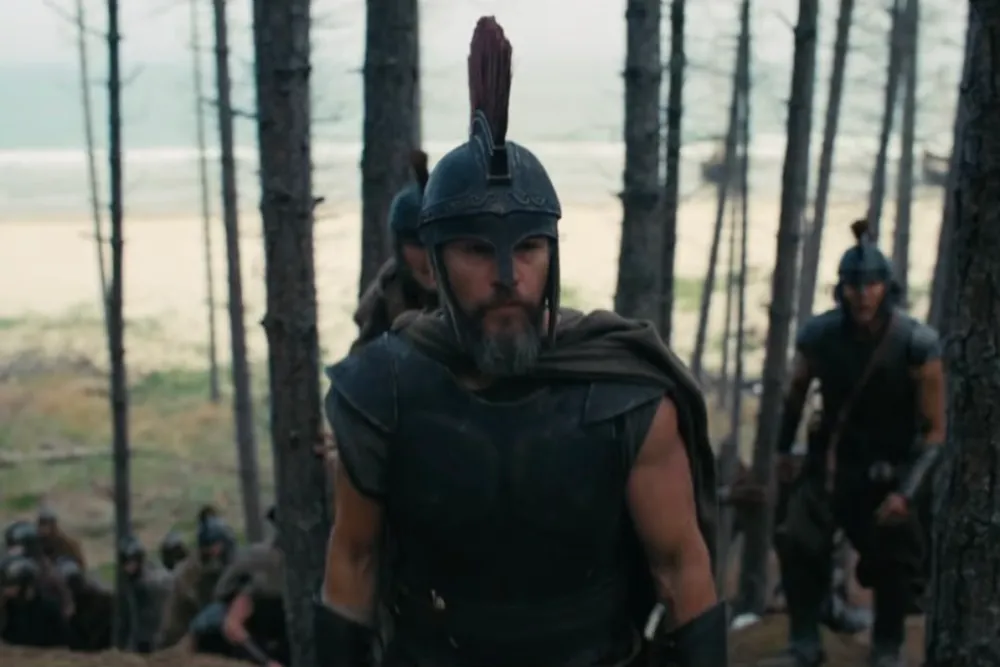
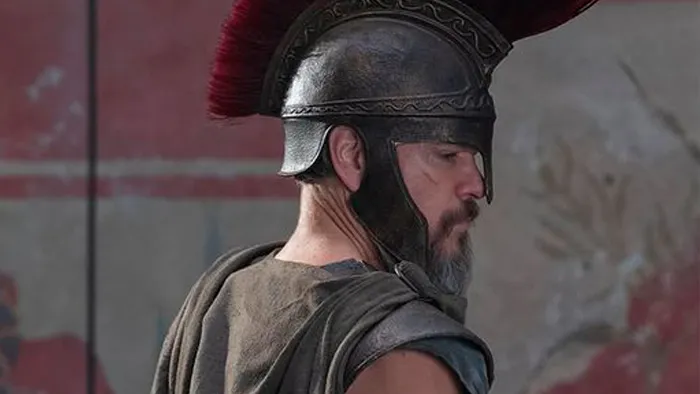
The trailer opens with the gravelly, haunted voice of Matt Damon, who plays the titular hero, Odysseus. “After years of war, no one could stand between my men… and home. Not even me.” The line delivery is understated yet heavy with the weight of the ten-year Trojan War. Immediately, we are treated to Nolan’s signature visual language: vast, practical landscapes shot on IMAX 70mm film. We see sweeping shots of the Mediterranean, storm-tossed galleys crashing against photorealistic waves, and the jagged coasts of Ithaca.
However, the spectacle is grounded in human emotion. We catch fleeting glimpses of Anne Hathaway as Penelope, whose stoic resilience anchors the narrative back home, and Tom Holland as Telemachus, looking battle-worn and desperate. The sheer scope of these sequences implies a grueling film scheduling challenge, coordinating massive location shoots across Morocco, Greece, and Scotland.
The Practical Effects and IMAX Cinematography
Nolan has famously eschewed CGI whenever possible, and The Odyssey appears to push this philosophy to its breaking point. The storm sequences do not look like digital water simulations; they look wet, cold, and dangerous. The cinematographer, Hoyte van Hoytema, has once again collaborated with Nolan to capture the texture of the elements.
Furthermore, the trailer hints at the mythical beasts that define Homer’s epic. We see a shadowy, terrifying silhouette that suggests the Cyclops, Polyphemus, and a brief, disorienting sequence that likely depicts the Sirens. Yet, these elements feel tangible, likely achieved through practical prosthetics and forced perspective rather than green screens. For a modern production team, executing this level of practical craft requires a precise shot list that aligns the camera department with the special effects teams perfectly.
The Narrative Challenge: Adapting Homer
Adapting a poem that is nearly 3,000 years old comes with significant narrative risks. The structure of the original text is episodic, jumping between Odysseus’s journey, affairs on Mount Olympus, and the domestic crisis in Ithaca. Nolan appears to have linearized the timeline while maintaining the psychological intensity of the protagonist’s internal struggle.
Moreover, the film seems to focus heavily on the cost of leadership. Damon’s Odysseus is not merely a hero; he is a tired veteran making impossible choices. This psychological depth is what separates Nolan’s blockbusters from standard fare. It suggests that the pre-production phase involved deep character work, ensuring that the spectacle never overshadows the human story.
Production Logistics: Managing a Cast of Thousands
The credits list for The Odyssey is staggering. Beyond Damon, Holland, and Hathaway, the film features Zendaya as Athena, Charlize Theron as Circe, and Robert Pattinson as Antinous. Managing an A-list ensemble of this magnitude requires military-grade precision.
Consequently, the logistical backend of such a film is as impressive as the onscreen visuals. Coordinating availability, travel, and makeup for this many stars would demand a dynamic cast and crew management system. A single delay in one department could cascade into millions of dollars in overages. This reality underscores why professional tools are non-negotiable for high-stakes productions.
Why This Trailer Matters to the Industry
For independent filmmakers and studio executives watching this trailer, the takeaway is clear: vision requires organization. Nolan can dream up a storm-tossed sea or a battle with a Cyclops, but it is the producer’s operational roadmap that captures it.
The release of this footage sets the tone for the 2026 box office. It signals a return to epic, large-format filmmaking that demands to be seen in theaters. It also raises the bar for production value. Audiences who see The Odyssey will expect a level of tactile reality in future historical dramas.
Conclusion: The Journey Begins
The Odyssey is slated for release on July 17, 2026. Until then, we will likely dissect every frame of this trailer. It serves as a reminder that great storytelling is a marriage of creative daring and rigorous execution. Whether you are shooting a short film or a studio epic, the principles remain the same: plan your shots, manage your resources, and stay true to the story.
Ultimately, Nolan has once again thrown down the gauntlet. The journey home is long, but if the first footage is any indication, it will be worth every second.
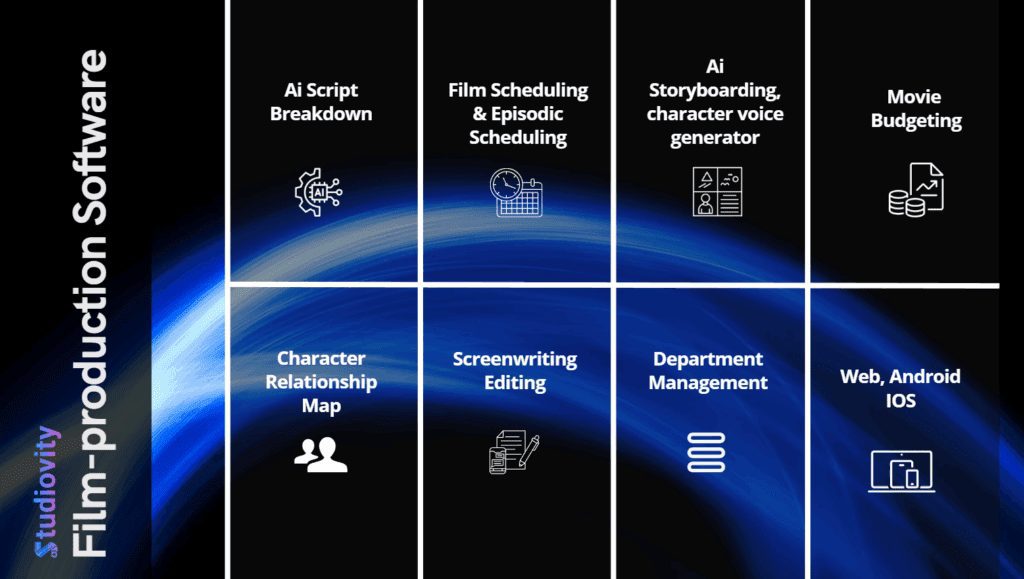
Script breakdown elements are the production requirements hidden inside every scene: the characters, background actors, props, set dressing, wardrobe, makeup, locations, vehicles, animals, stunts, effects