Every filmmaker dreams of standing on a podium, trophy in hand, amid thunderous applause. However, figuring out how to win film festivals requires more than just a camera and a dream; it demands a rigorous, professional strategy that begins long before the cameras roll. You must meticulously plan every stage, starting with a polished screenplay and utilizing robust pre production software to organize your vision. Consequently, this guide will walk you through the essential steps to elevate your projectfrom a mere submission to an award-winning contender.
1. Strategic Selection: Targeting the Right Festivals
Many directors make the mistake of applying to every festival in existence. This “spray and pray” method rarely works. Instead, you must curate a specific list of festivals that align with your film’s genre, tone, and budget.
Analyze Your Film Honestly
First, assess your film objectively. Is it an indie drama, a horror thriller, or an experimental piece? For instance, a slasher film might struggle at Sundance but could sweep the awards at Screamfest. Therefore, you should research past winners of your target festivals. If your film resembles previous winners in tone or subject matter, your chances of acceptance increase significantly.
Tiers of the Festival Circuit
Understanding the hierarchy is crucial.
Tier A (The Big Five): Sundance, Cannes, Venice, Toronto, Berlin. These require premieres.
Tier B (Oscar Qualifiers): Tribeca, SXSW, Raindance. These offer massive industry exposure.
Tier C (Niche & Regional): Genre-specific or local festivals. These are excellent for building momentum and winning specific awards like “Best Horror” or “Audience Choice.”
Moreover, targeting Tier C festivals first can build a “laurel wreath” reputation that makes Tier B festivals take notice later.
2. Production Value: The Invisible Judge
Judges watch hundreds of films. Consequently, poor audio or bad pacing gives them an easy reason to stop watching. You must ensure technical excellence to keep them engaged.
The Importance of Organization
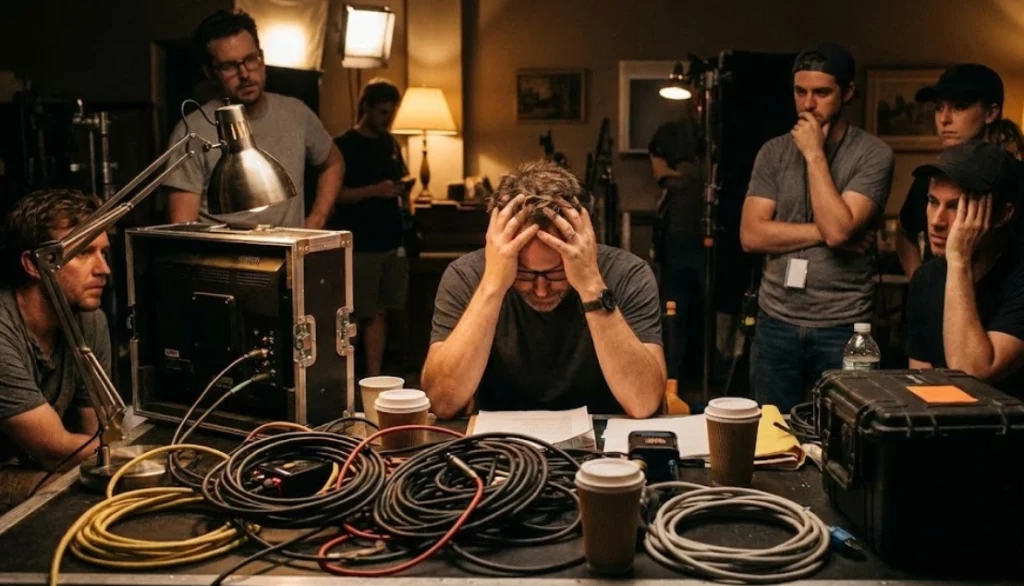
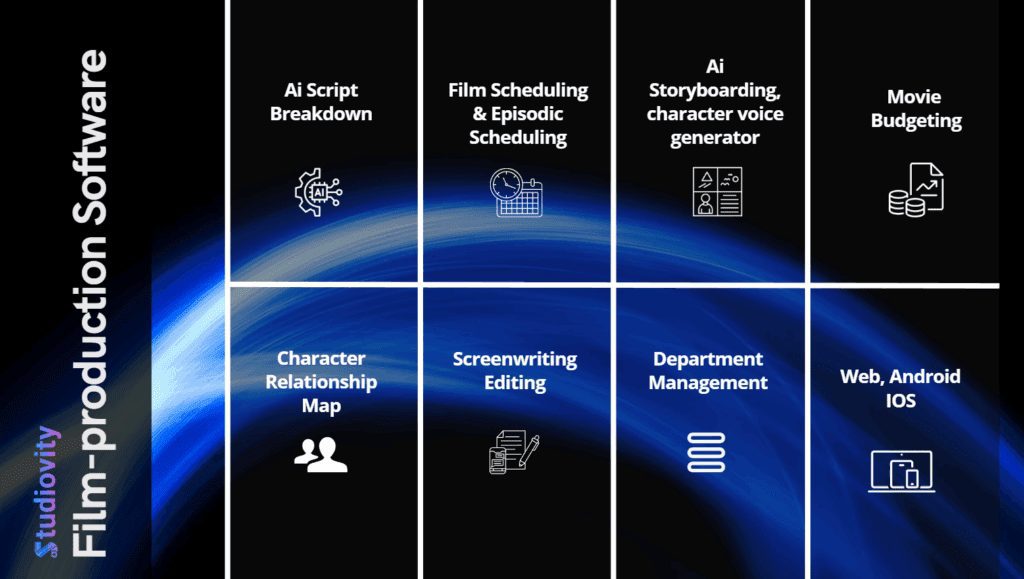
Chaos on set translates to errors on screen. Therefore, professional filmmakers use a detailed script breakdown to ensure every prop, costume, and location is accounted for. When you organize your production effectively, you gain more time for creative direction.
Sound and Color
Visuals draw the audience in, but audio makes them stay. Bad sound is the number one reason films are rejected in the first few minutes. Thus, you should invest heavily in sound design and color grading. Even a low-budget film can look like a million dollars with the right color palette and crisp audio mixing. For example, the film Tangerine was shot on iPhones, yet it won awards because the color grading and sound were professional.
3. The Art of the Press Kit (EPK)
Once you have a great film, you need to sell it. Programmers are marketers, too. They need materials that will help them sell tickets.
Essential EPK Elements
Your Electronic Press Kit (EPK) is your film’s resume. It must look professional.
Logline: A one-sentence hook.
Synopsis: A brief summary (short, medium, and long versions).
Director’s Statement: Why did you make this film? What does it mean?
High-Resolution Stills: Never use blurry screenshots.
Trailer: A gripping 90-second teaser.
Furthermore, a compelling poster is non-negotiable. It is the first thing a programmer sees on FilmFreeway. If the poster looks amateur, they assume the film is amateur.
4. Networking: The Festival Experience
Let’s say you have cracked the code on how to win film festivals and received an acceptance letter. Congratulations! However, the work is just beginning. You must attend the festival.
Be Present and Engaging
Filmmakers who attend festivals often win the “Audience Choice” awards simply because they hustled. You should hand out postcards, talk to people in line, and participate in Q&As. Additionally, be kind to everyone. The volunteer checking badges today might be the junior executive buying content tomorrow.
The Q&A Strategy
Prepare for your Q&A session. Have interesting anecdotes ready about the production challenges or the cast. For instance, mentioning how you utilized a complex film scheduling strategy to shoot a 10-page scene in one day shows professionalism and competence. Audiences love behind-the-scenes grit.
5. The Follow-Up and Momentum
Winning an award is a milestone, not the finish line. You must use that win to leverage the next opportunity.
Update Your Materials Immediately
As soon as you win, update your poster, trailer, and IMDB page with the laurels. Send a press release to local media and niche blogs. Consequently, this buzz validates your film for the next tier of festivals.
Leverage the Win for Distribution
Distributors watch the winners’ circles. If you win “Best Feature” or “Best Short,” email distributors immediately with the subject line: “Award-Winning Film Available for Representation.” This proactive approach often leads to sales.
6. Common Pitfalls to Avoid
Even talented filmmakers stumble. Here are common errors that prevent wins.
Ignoring Submission Guidelines: If a festival asks for a DCP and you send a Vimeo link, you look unprofessional.
Overlooking the Cover Letter: Use the cover letter on submission platforms to briefly introduce yourself and explain why your film fits their specific festival.
Neglecting the Crew: Your cast and crew are your biggest ambassadors. Encourage them to share the news. A happy crew creates a buzz on social media that festivals notice.
Conclusion: Persistence is Key
Ultimately, understanding how to win film festivals is a journey of persistence. You might face rejection ten times before you get one “Yes.” However, that single acceptance can change your career trajectory. By focusing on professional production management, strategic submissions, and relentless networking, you position yourself for success.
Keep creating, keep submitting, and keep refining your craft. The festival circuit is waiting for your unique voice.
Ready to turn your script into a festival winner? Streamline your pre-production and focus on the art with Studiovity AI.
Script breakdown elements are the production requirements hidden inside every scene: the characters, background actors, props, set dressing, wardrobe, makeup, locations, vehicles, animals, stunts, effects