The release of The Housemaid in December 2025 has immediately captivated global audiences and redefined the domestic thriller genre. Paul Feig’s adaptation of Freida McFadden’s viral novel is not just a triumph of storytelling; it is a masterclass in production execution. For filmmakers, the movie offers a compelling case study on how a tight screenplay translates into high-stakes cinema. The film’s success relies heavily on the chemistry of its stellar cast and crew, led by Sydney Sweeney and Amanda Seyfried. Their performances anchor a narrative filled with twists that require precise continuity and planning.
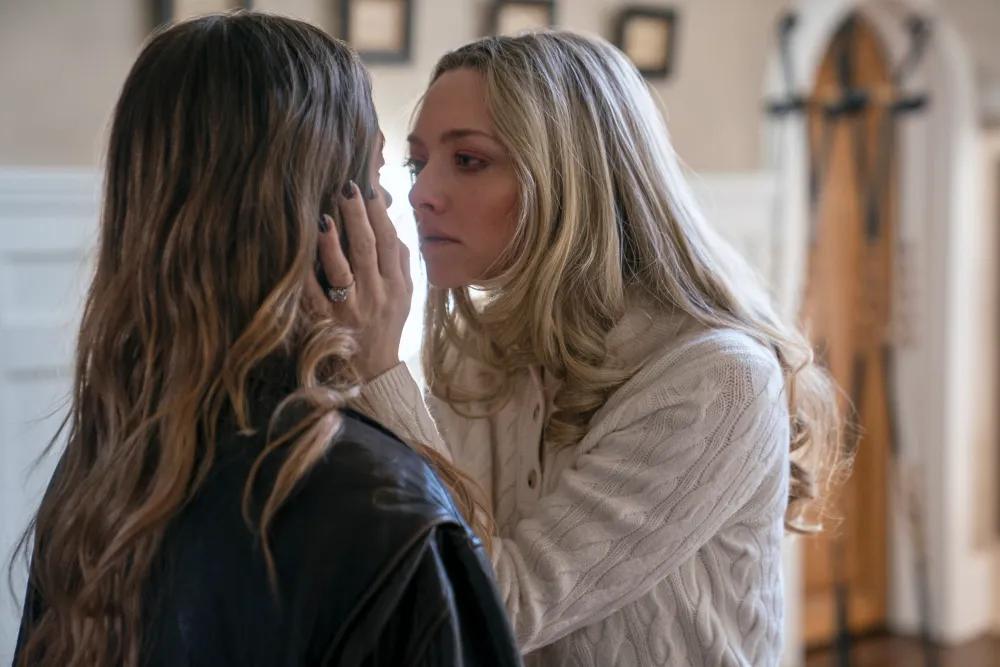
Furthermore, the transition from page to screen for The Housemaid highlights the importance of pre-production organization. A complex psychological thriller demands a rigorous script breakdown to manage the shifting perspectives and hidden clues scattered throughout the timeline. Without this level of detail, the film’s intricate “gaslighting” plot points would fall flat. Additionally, the production team likely relied on advanced film scheduling to maximize their shoot days, especially given the single-location constraints of the Winchester estate.
Adapting the Viral Sensation: From BookTok to Big Screen
Freida McFadden’s novel took the world by storm, largely due to its “BookTok” virality. However, adapting such a beloved text presents unique challenges. Screenwriter Rebecca Sonnenshine had to retain the book’s claustrophobic atmosphere while expanding the visual language for a theatrical experience.
The film stays remarkably faithful to the source material’s core conflict. Millie, a woman with a dark past, accepts a job as a live-in maid for the wealthy Nina Winchester. What starts as a fresh start quickly descends into a nightmare. The adaptation excels in pacing. The first act establishes a false sense of normalcy, which slowly erodes. This pacing is a direct result of effective editing and a clear directorial vision.
For independent filmmakers, this adaptation serves as a lesson in scope. The story is contained, focusing primarily on the dynamics within the house. This containment allows for a higher budget allocation toward talent and cinematography rather than sprawling set pieces. It proves that a strong concept, executed well, often outweighs the need for massive scale.
The Director’s Pivot: Paul Feig’s Genre Shift
Paul Feig is historically known for comedies like Bridesmaids and Spy. Consequently, his involvement in The Housemaid surprised many industry insiders. Yet, this pivot has proven to be a stroke of genius. Feig brings a sharp, satirical edge to the thriller elements. He understands that the best suspense often lies in the absurdity of human behavior.
Feig utilizes the camera to create unease. He often lingers on shots slightly longer than comfortable, forcing the audience to scrutinize the frame for danger. This technique requires meticulous shot listing during pre-production. Every camera movement must serve the tension. Feig’s ability to blend his comedic timing with genuine dread creates a unique tone. It prevents the film from becoming too self-serious while maintaining high stakes.
Moreover, Feig’s direction of the actors is noteworthy. He pushes Seyfried and Sweeney to the brink of camp without ever crossing the line into parody. This balance is difficult to achieve. It requires a director who commands total trust on set.
Performance Breakdown: Sweeney vs. Seyfried
The heart of The Housemaid is the duel between its two leads. Sydney Sweeney plays Millie with a mix of vulnerability and grit. She is the audience surrogate, effectively grounding the story as the chaos unfolds. Sweeney’s performance is subtle in the first half, which makes her character’s evolution in the third act even more impactful.
Conversely, Amanda Seyfried delivers a powerhouse performance as Nina. She oscillates between volatile energy and icy composure. Seyfried’s portrayal of the “unhinged housewife” trope is layered with nuance. She manages to make Nina sympathetic even when her actions are terrifying.
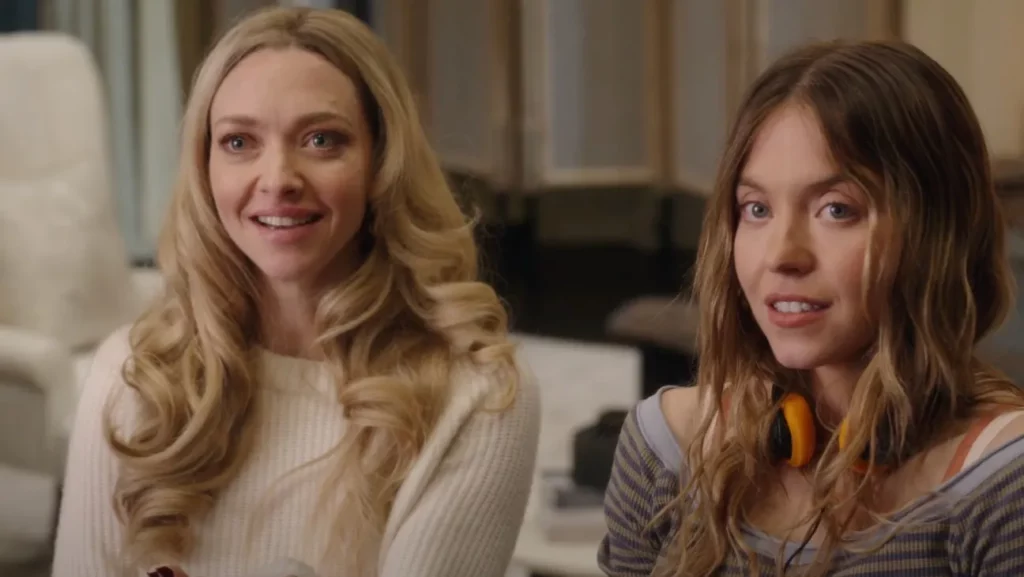
The dynamic between these two actresses drives the film. Their scenes together are electric, often resembling a chess match. For producers casting their own projects, this film highlights the value of contrasting energies. Sweeney’s stillness compliments Seyfried’s volatility perfectly. This chemistry is not accidental; it is the result of careful casting and rehearsal.
Production Value: The Art of Containment
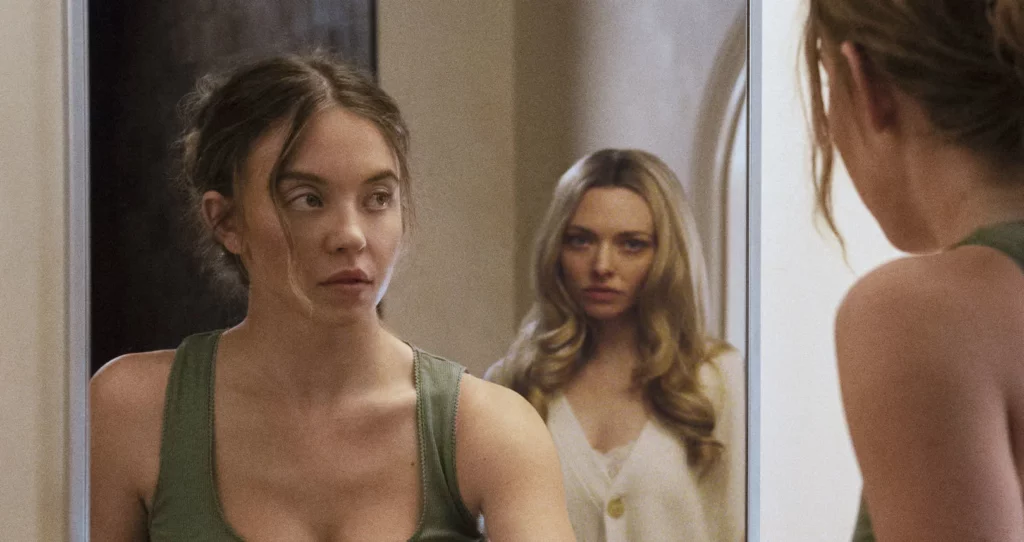
Visually, The Housemaid is stunning. Cinematographer John Schwartzman uses a cool, sterile color palette to reflect the coldness of the Winchester household. The house itself acts as a character. Its pristine white surfaces and expansive, empty rooms create a sense of isolation.
Lighting plays a crucial role in the narrative. The film utilizes shadows to hide characters’ true intentions. During the day, the house is flooded with light, yet it feels exposed rather than welcoming. At night, the lighting shifts to deep blues and blacks, emphasizing Millie’s entrapment.
Achieving this look requires precise coordination between the camera and lighting departments. Utilizing tools like lighting diagrams and technical rehearsals ensures that the mood remains consistent. Independent filmmakers can learn from how the film uses the environment to tell the story. You do not need expensive VFX to create atmosphere; often, lighting and set design are your most powerful tools.
The Business of Thrillers: Release Strategy and Market Impact
Lionsgate’s release strategy for The Housemaid was aggressive. By positioning it in the holiday corridor of December 19, they offered counter-programming to the usual family-friendly blockbusters. This decision paid off. Audiences were hungry for a mature, R-rated thriller.
The film’s marketing leaned heavily on the star power of its leads and the mystery of the plot. Trailers revealed just enough to intrigue without spoiling the major twists. This “mystery box” approach generated significant social media buzz.
Furthermore, the film’s success demonstrates the continued viability of mid-budget adult thrillers. In an era dominated by superhero franchises, The Housemaid proves that character-driven suspense still has a massive audience. It encourages studios and investors to back projects that rely on script and performance rather than spectacle.
Why Pre-Production Was Critical for The Housemaid
A film with this many narrative layers cannot be made on the fly. The twisty structure of The Housemaid implies a production that was planned to the second. Continuity errors in a mystery thriller can ruin the audience’s immersion. Therefore, the script supervisors and continuity team likely had a heavy workload.
Every prop, costume change, and set dressing detail serves as a clue. If a prop is out of place, it could prematurely reveal a plot point. This level of detail requires robust production management software. Teams must collaborate seamlessly to track these elements across different shooting days.
For example, scenes shot out of order must match perfectly when edited together. A scene filmed on Day 1 might need to match the emotional intensity and physical continuity of a scene filmed on Day 20. This is where professional scheduling and breakdown tools become indispensable. They ensure that the creative vision is not lost in the logistics of filmmaking.
Conclusion: A Template for Modern Suspense
The Housemaid is more than just a popular movie; it is a template for modern filmmaking. It combines a gripping story, A-list talent, and distinct visual style into a cohesive package. Paul Feig and his team have delivered a film that respects the intelligence of its audience while providing pure entertainment.
For aspiring filmmakers, the takeaway is clear: prioritize the script and the pre-production process. The tension you see on screen is the direct result of the discipline behind the camera. Whether you are shooting a short film or a feature, the tools you use to organize your vision are just as important as the camera you shoot on.